Campus safety protocols under scrutiny following Virginia State University shooting
Multi-casualty incidents near university grounds underscore the operational challenges academic institutions face in coordinating security and emergency responses.
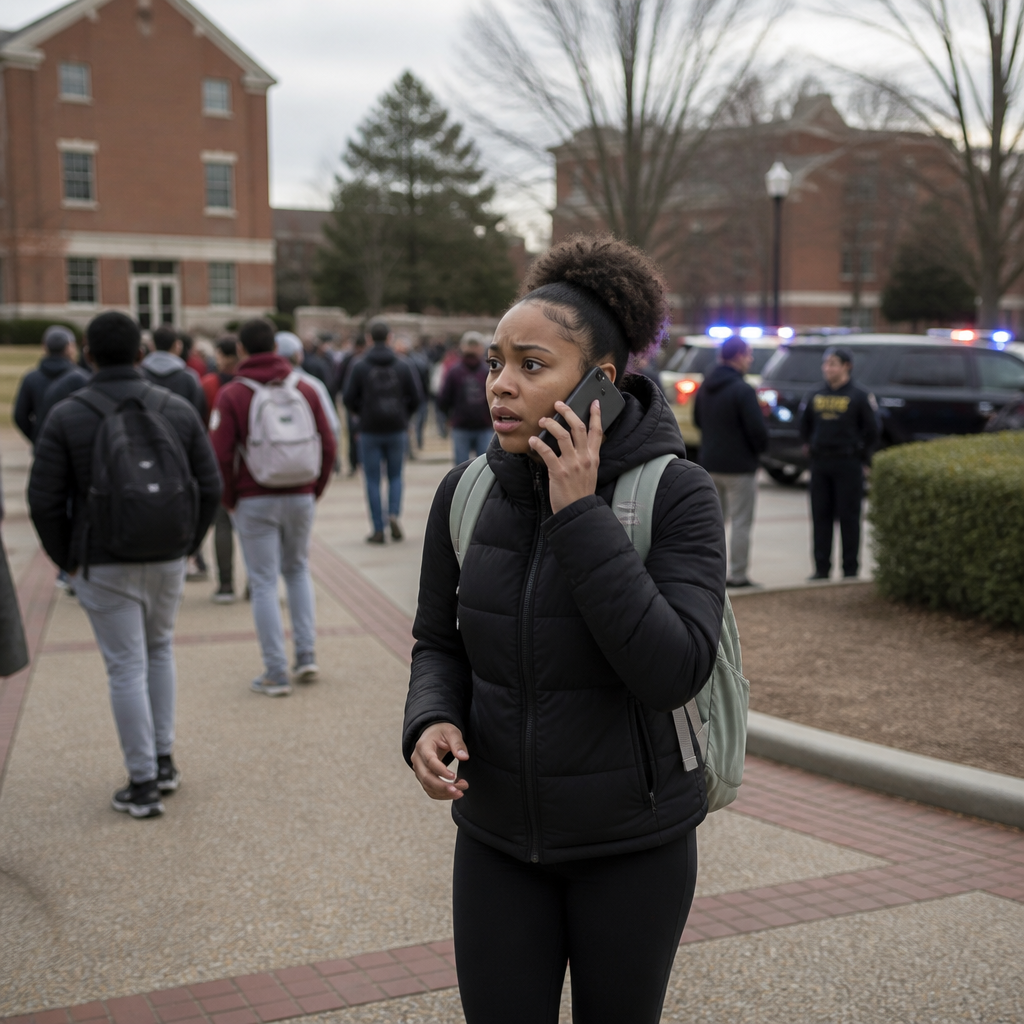
When multi-casualty violent incidents erupt near university perimeters, higher education institutions face an immediate operational challenge: balancing open-campus civic access with rapid-response security measures. The operational protocols deployed during such emergencies dictate how quickly emergency medical services arrive, how effectively students are alerted, and how surrounding municipal law enforcement coordinates with campus officers.
A critical incident at Virginia State University, where a shooting left five people injured—one critically—serves as a stark reminder of the security pressures facing modern academic institutions, according to The Star. The incident highlights the vulnerability of higher education perimeters and the complex logistical response required when violent crime spills onto or adjacent to university grounds.
Security protocols at American higher education institutions typically rely on a layered defense model. This framework combines real-time mass notification systems, localized emergency lockdowns, and mutual aid agreements with city or state police departments to manage active threats and coordinate triage efforts.
Campus Security Protocols and Emergency Response
The immediate priority following any multi-injury incident near a university is threat containment and casualty care. Standard campus safety frameworks dictate the issuance of immediate emergency alerts—often via SMS, email, and outdoor public address systems—advising campus communities to shelter in place while law enforcement sweeps the area.
Beyond immediate alerts, the division of labor between specialized campus police forces and local municipal departments is crucial. While university officers frequently handle initial containment and localized perimeter control, state and municipal authorities typically manage primary criminal investigations and heavily armed tactical responses.
Emergency medical response times form another critical pillar of campus crisis management. In events involving multiple gunshot victims, emergency medical technicians must coordinate with police to establish clear entry corridors into potentially active scenes, ensuring critical patients receive rapid transportation to regional trauma centers.
Long-Term Policy and Community Impact
Multi-casualty events routinely prompt thorough policy reviews regarding physical security infrastructure. Institutions frequently re-evaluate access control measures, including automated door-locking mechanisms, coverage area for closed-circuit television (CCTV) cameras, and the deployment of armed security personnel along campus borders.
Beyond physical infrastructure, incidents involving severe injuries strain community trust and mental health support networks. Universities typically mobilize student counseling services, deploy trauma-informed response teams, and hold public briefings to address safety concerns from students, staff, and families.
As law enforcement investigations continue into the circumstances surrounding the casualties at Virginia State University, higher education administrators across the country continue to refine their safety protocols. Institutional leaders remain focused on updating emergency threat assessments and strengthening collaborative ties with regional law enforcement agencies to mitigate future risks.