From Youth Leagues to Streaming Bills: Rising Costs and Senate Scrutiny Reshape US Sports
High participation fees in youth leagues, expensive streaming packages for fans, and a pending September Senate vote on college athletics are pushing American sports into a transformative regulatory and financial reckoning.
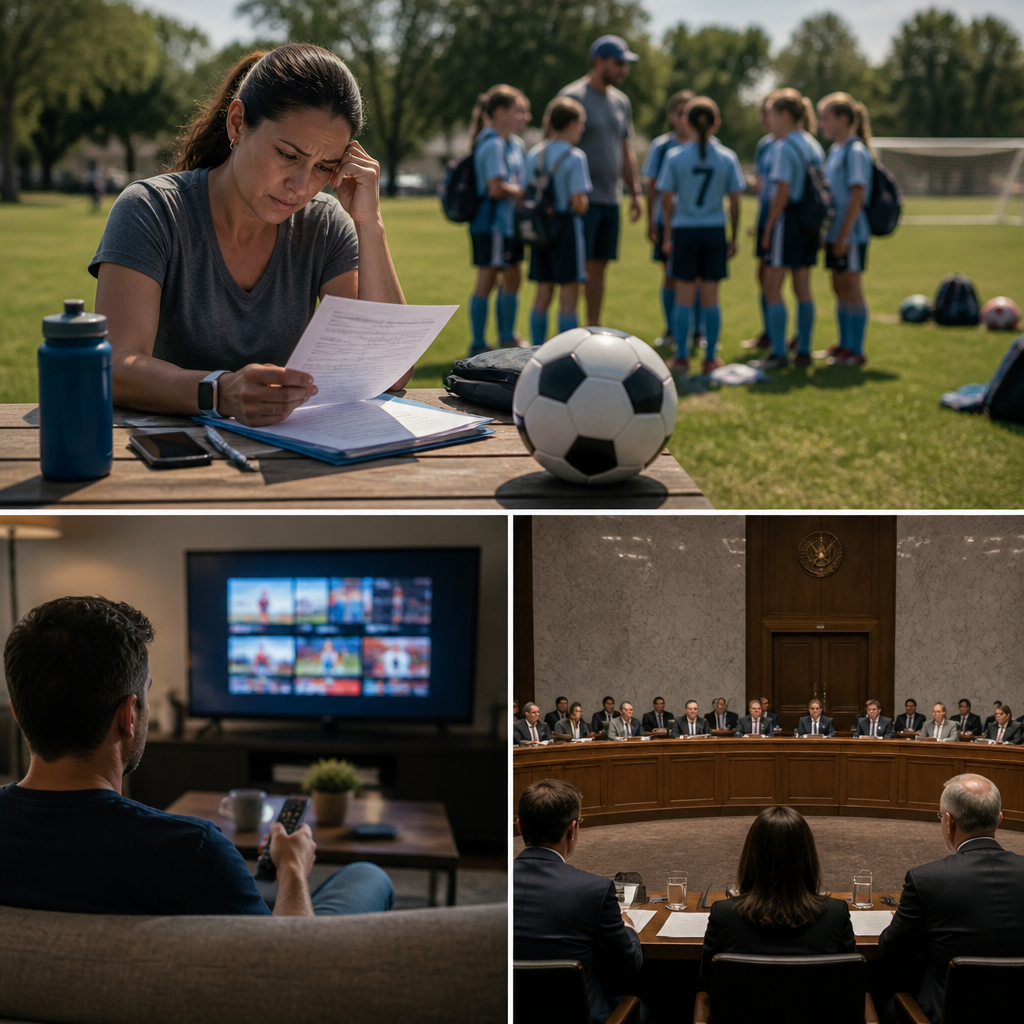
From the local Little League diamond to premium streaming subscriptions, American sports are becoming increasingly expensive for participants and spectators alike.
High costs are squeezing middle- and lower-income families out of youth athletics, while adult supporters are facing fragmented media packages and rising ticket prices. At the same time, lawmakers in Washington are preparing to weigh in on the financial architecture of college athletics, setting up a pivotal autumn for the industry.
This combination of grassroots financial barriers, shifting broadcast models, and imminent federal regulation is reshaping how Americans play, watch, and pay for sports.
The Financial Divide in Youth Sports
Participating in organised youth athletics is increasingly tied to household income. According to an AP-Ipsos poll, higher-income families are significantly more likely to enroll their children in organized sports compared to lower-income households.
The growth of private club teams, specialized coaching, and travel leagues has pushed the cost of youth participation into thousands of dollars annually per child. For families managing tight budgets, league fees, equipment, and travel expenses present an insurmountable barrier.
This financial divide limits early athletic opportunities, effectively turning community-based recreation into a pay-to-play ecosystem.
Rising Costs for the American Fan
The financial burden is not limited to youth participants. For adult spectators, following professional and collegiate teams has become progressively complex and costly.
It has never been more annoying and expensive to be a US sports fan, according to an analysis by Bloomberg. Live game broadcasts, once broadly available on basic television networks, are now fragmented across a web of regional sports networks, traditional cable channels, and exclusive subscription streaming services.
To watch every matchup of a single professional team across a full season, fans often must subscribe to multiple digital platforms. Combined with rising ticket prices, parking fees, and stadium concessions, attending or viewing live sporting events requires a substantial financial commitment.
Wealthy individual investors are also continuing to target major franchises. Billionaire Amazon founder Jeff Bezos has reportedly explored opportunities to acquire a professional sports franchise, according to TechCrunch, reflecting the soaring valuations of top-tier sports properties.
Washington Prepares Legislative Action
As commercialization shifts the sports landscape, federal lawmakers are turning their attention to the structural finances of university athletics.
The United States Senate is scheduled to vote on a college sports bill in September, according to ESPN. The pending legislation seeks to establish a standardized framework for athlete compensation, address name, image, and likeness (NIL) regulations, and define the legal status of student-athletes nationwide.
The proposed legislation has drawn intense debate across the collegiate sports ecosystem. A commentary published by The New York Times argued that the Protect College Sports Act deserves to pass despite its internal flaws, contending that federal intervention is necessary to provide regulatory certainty and prevent a patchwork of conflicting state laws.
Global Athletics Context and What Happens Next
While North American sports face domestic financial and regulatory scrutiny, global athletic competition continues apace. On the international track circuit, Spain's María Pérez and Italy's Eleonora Fiorini recently set world records in women's race walking events, according to Reuters.
What happens next will depend heavily on action in Washington and market responses in corporate media. If the Senate passes college sports legislation in September, it will set off a major restructuring of university athletic departments and athlete endorsement rules.
Meanwhile, broadcast networks and streaming services face growing consumer pushback over fragmented package pricing, which may force consolidation in how live sports coverage is packaged and sold to everyday viewers.