Massive reserves, minimal output: The structural hurdles facing Venezuela's oil sector
Venezuela holds the world's largest proven crude reserves, yet generates less than one percent of global oil. Rebuilding its industry faces massive financial, technical, and political hurdles.
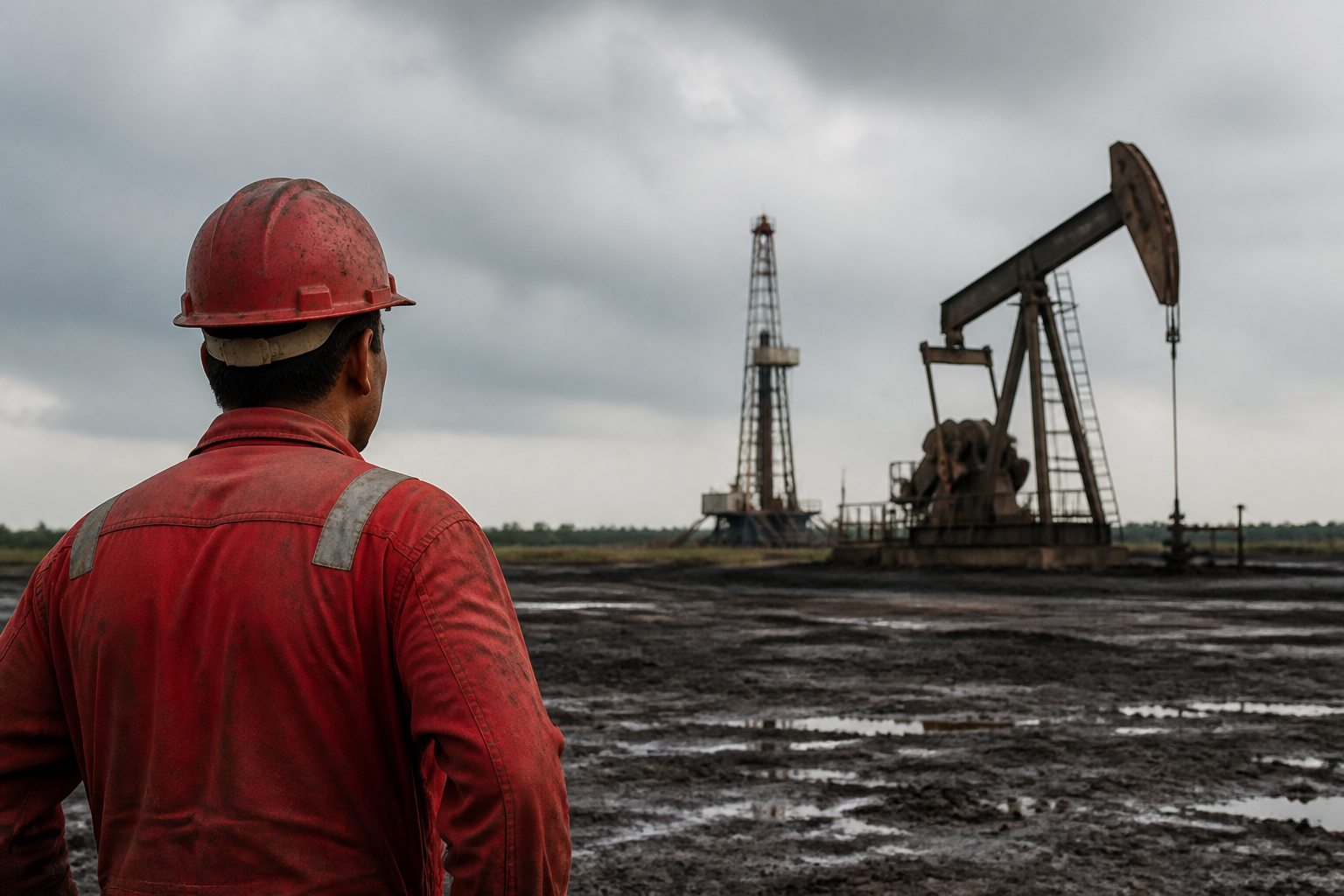
Venezuela sits atop an estimated 303 billion barrels of oil—the largest proven crude reserves on the planet, according to figures cited by the BBC. Yet despite holding more oil than Saudi Arabia or Iran, the South American nation generates less than one percent of total global supply, according to reporting by DW.
This severe disconnect between subterranean wealth and actual market output forms the backdrop to proposal by US President Donald Trump to invite American energy firms back into the country. Following the removal of President Nicolás Maduro, Trump claimed that Venezuela would begin handing over oil supplies to the United States and urged US companies to rebuild the nation's derelict energy sector, as reported by Reuters.
However, industry experts and analysts cited by the BBC warn that reversing decades of decline is not a matter of simply turning on a tap. Rebuilding Venezuela's energy sector faces deep structural obstacles, ranging from severely decayed infrastructure and heavy crude processing demands to complex legal risks and a history of corporate expropriation.
Decisive decline: Mismanagement and sanctions
Venezuela’s oil sector was once the engine of its national economy, accounting for around 90% of the country’s export revenue, according to DW. However, domestic production has plummeted by more than 70% since the late 1990s, pushing Venezuela down to 21st place in global production rankings, DW reports.
The decline began in earnest under former President Hugo Chávez and continued under the Maduro administration. As the central government tightened political control over the state-owned oil enterprise, Petróleos de Venezuela, S.A. (PDVSA), experienced engineers and operational staff departed, as noted by the BBC. Chronic underinvestment and operational mismanagement subsequently left processing facilities and pipelines to decay.
The downturn was accelerated by international measures. According to DW and the BBC, expanded US sanctions aimed at cutting off revenue to the Maduro government drastically restricted PDVSA's access to foreign capital, technology, and primary export markets.
Infrastructure and crude complexity
Unlocking Venezuelan crude presents distinct technical and logistical hurdles. Much of the country's vast reserves in the Orinoco Belt consist of extra-heavy crude, which requires specialized upgrading facilities, diluents, and advanced refining infrastructure to convert into commercial petroleum products.
According to DW, heavier crude is strategically valuable to US Gulf Coast refineries, which are specifically designed to process dense grades far more efficiently than lighter domestic shale oil.
Yet the domestic machinery required to extract and transport this heavy oil is currently in disrepair. Trump acknowledged that the country’s oil infrastructure is "badly broken." Industry analysts interviewed by the BBC estimate that repairing these assets would require tens of billions of dollars in fresh capital and could take up to a decade before yielding a substantial increase in output.
Foreign capital and historical precedent
While the white house is encouraging US companies to invest, corporate memory presents an obstacle to rapid capital deployment. During the Chávez administration, major international oil firms faced forced nationalisation and asset seizures.
As reported by DW, major energy players such as ExxonMobil and ConocoPhillips were previously expropriated by the Venezuelan government. While those firms are contemplating potential re-entry, the historical precedent of expropriation leaves many international boardrooms cautious, according to the BBC.
Some foreign entities have maintained a continuous presence. US oil giant Chevron has continued operating in the country under specific licenses granted by Washington, DW notes. However, broader institutional reinvestment will require clear legal guarantees.
What happens next
Before international oil majors commit significant capital, long-term political and legal frameworks must be established. As highlighted by the BBC, foreign energy firms will require binding legal agreements with a stable, recognized post-Maduro governing structure to hedge against political volatility.
Market participants will be watching for regulatory updates from Washington regarding sanction frameworks, potential legislative reforms within Venezuela regarding foreign energy ownership, and formal investment announcements from major international producers.