Understanding Indonesia’s Tectonic Vulnerability to High-Magnitude Earthquakes
The South-East Asian archipelago sits on complex tectonic fault lines where plate subduction routinely triggers catastrophic seismic events.
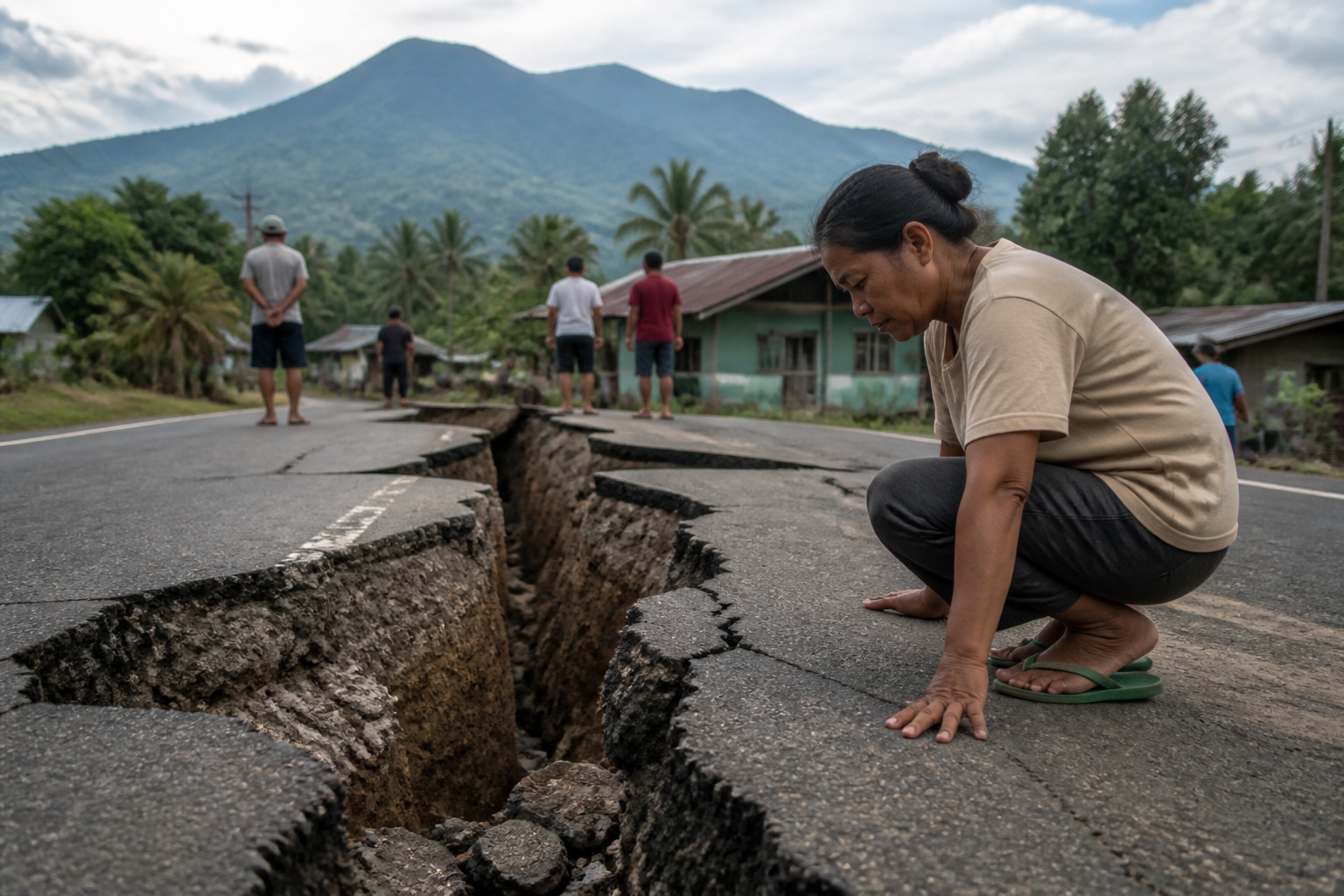
Indonesia sits directly atop one of the most geologically active zones on Earth, where the relentless collision of major tectonic plates produces frequent, high-magnitude earthquakes across its vast island archipelago.
The South-East Asian nation forms a primary arc of the Pacific Ring of Fire, a horseshoe-shaped belt of intense oceanic trenches and volcanic activity. Deep beneath the archipelago, the Indo-Australian tectonic plate continuously slides beneath the Eurasian plate in a geological process known as subduction. This continuous movement builds immense pressure along fault lines until the rock suddenly shifts, releasing massive kinetic energy that translates into high-magnitude surface quakes.
A striking example of this constant subduction tension occurred when a powerful 7.7-magnitude earthquake struck the region, according to reports by the BBC. The devastating seismic release resulted in widespread destruction and claimed the lives of at least 38 people, the Star reported.
Mechanics of the Indo-Australian Subduction Zone
The physical vulnerability of the Indonesian archipelago stems primarily from the speed and angle at which surrounding tectonic plates converge. The oceanic Indo-Australian plate moves northward at a rate of several centimetres per year, pushing directly under the continental Eurasian plate.
As the denser oceanic crust plunges deep into the Earth's mantle, friction prevents smooth movement. The plates lock together for decades or centuries, accumulating elastic strain over vast geographic areas. When the locked sections finally snap, they generate high-magnitude shallow or deep-focus earthquakes. Shallow quakes, which occur near the Earth's surface, typically cause the most extreme ground shaking and structural failure.
In addition to subduction zones off its coasts, the island chain is crisscrossed by complex networks of inland fault lines, such as the Great Sumatran Fault. These strike-slip faults slide horizontally past one another, creating localized seismic hazards that can devastate densely populated inland towns even at moderate magnitudes.
Structural Vulnerabilities and Infrastructure Risks
High-magnitude earthquakes pose severe threats to human settlements in Indonesia due to rapid urban development, variable building standards, and challenging topography. Millions of citizens inhabit coastal areas or mountain slopes prone to secondary hazards such as landslides, soil liquefaction, and destructive tsunamis.
When major seismic events occur, unreinforced masonry structures and informal housing units often suffer immediate collapse. Seismic energy passing through soft, water-saturated soils can turn solid ground into liquid-like quicksand within seconds, causing entire communities to sink or slide down hillsides.
Emergency infrastructure and logistics face severe disruption during high-magnitude events. Blocked transport corridors and damaged communications complicate initial search and rescue operations, delaying the delivery of medical support and emergency shelter to remote island populations.
Disaster Preparedness and Future Outlook
Managing the persistent risk of tectonic activity in Indonesia requires continuous investment in early warning systems, strict enforcement of seismic building codes, and community-level disaster preparedness.
Following major historical disasters, emergency management authorities have expanded network coverage of seismometers, ocean floor pressure sensors, and coastal tsunami warning buoys. However, short-distance subduction quakes often leave populations near the epicentre with only minutes to seek higher ground or safe shelter.
Geologists and seismologists emphasize that high-magnitude earthquakes in the archipelago remain inevitable due to the unstoppable movement of Earth’s crustal plates. State agencies and international humanitarian organizations continue to focus on strengthening local resilience, upgrading civil infrastructure, and refining evacuation protocols to minimize casualties when the next major seismic slip occurs.