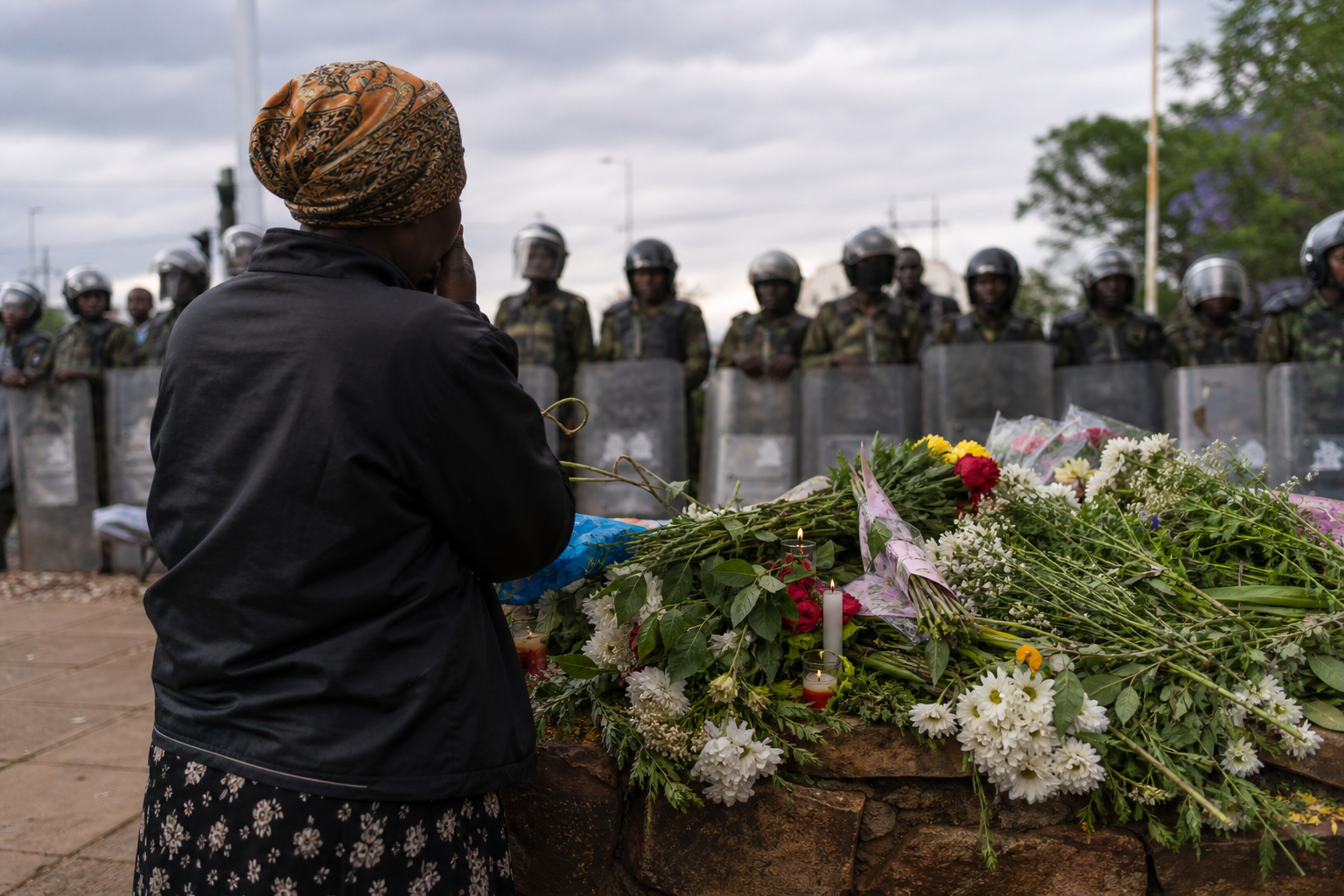
A Dangerous Market: Why Kenya Risks Uncontrollable Political Violence
High youth unemployment and economic desperation have created a booming market for political violence in Kenya, where politicians routinely hire vulnerable young people to disrupt opponents and control civic space.
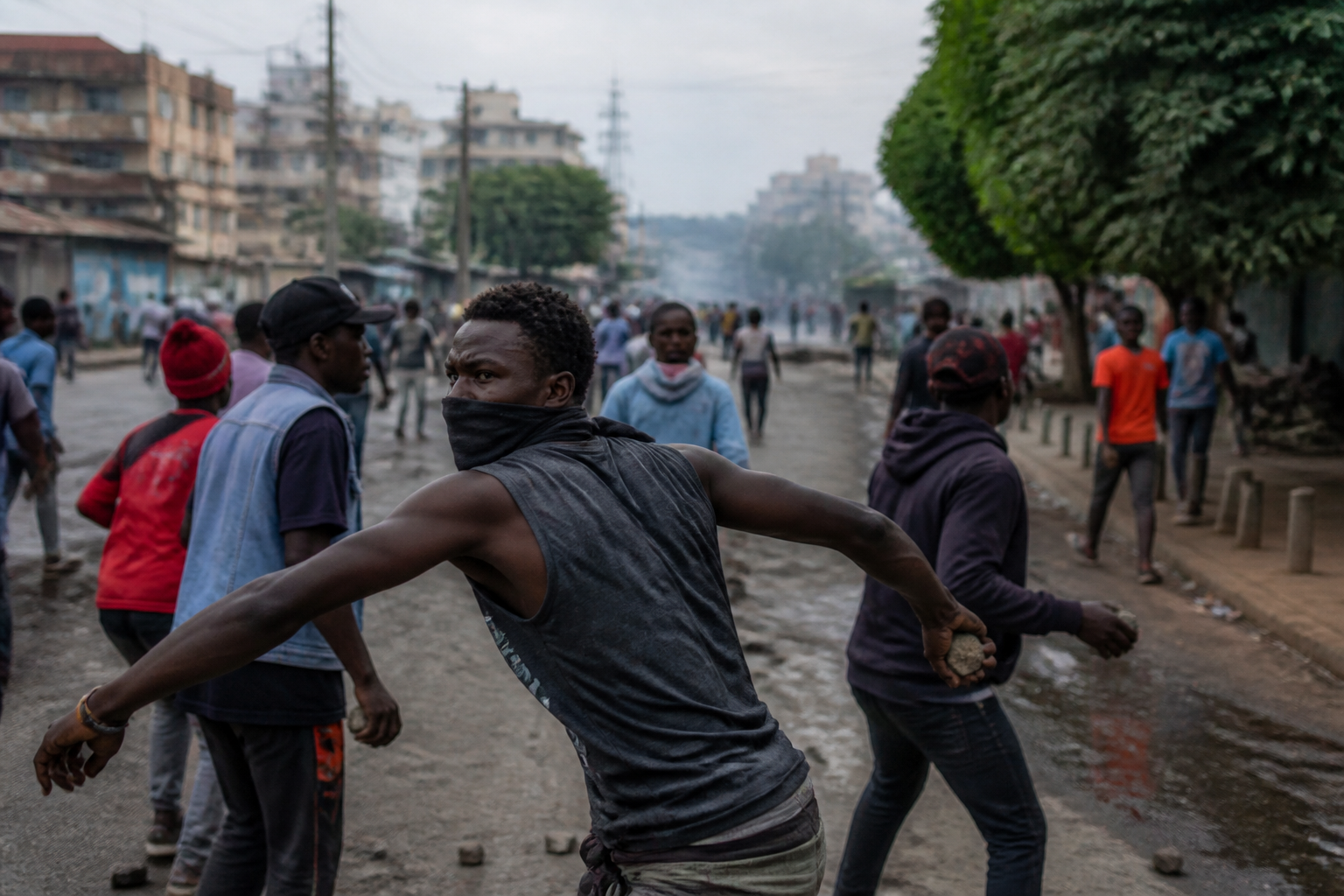
Youth unemployment in Kenya has created an abundant supply of cheap labour for political hire. With official data showing that youth aged 18 to 34 constitute the largest share of the country’s unemployed population, political actors routinely exploit economic distress, offering small cash payouts to mobilize young people for political disruption.
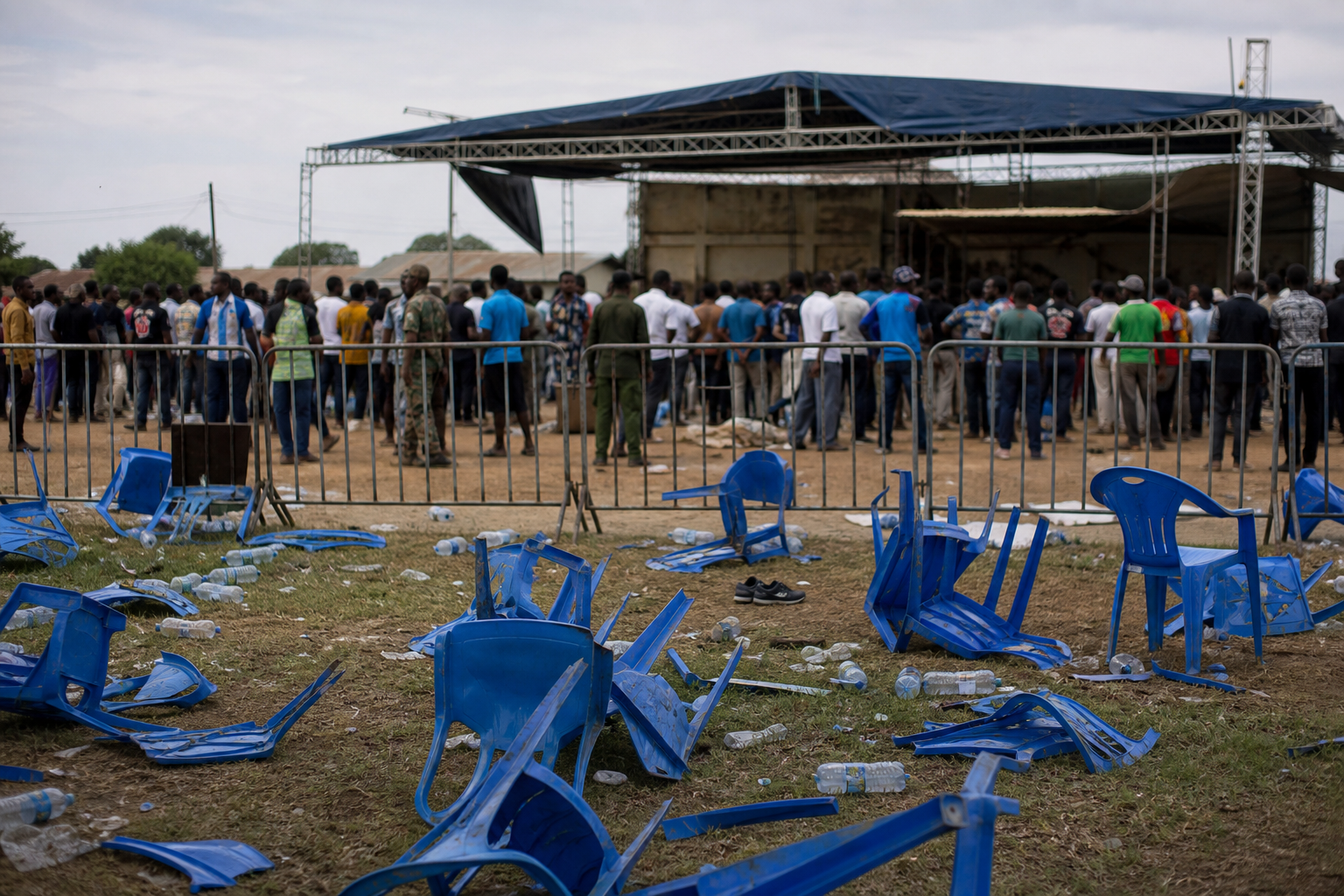
What begins as paid political support frequently turns into organised violence. During public rallies, factional disputes, and parliamentary public participation forums, political leaders across the spectrum have deployed hired crowds to silence opponents, control venues, and project artificial grassroots support.
Financial compensation for these assignments remains remarkably low. Participants are, reportedly, often paid between KSh 500 ($3.86) and KSh 1,500 ($11.58) per day, sometimes alongside transport and alcohol. This low cost of mobilization has made violence a routine, affordable tactic in Kenyan political contestation.
Why Violence Pays
For political actors, hired goons provide immediate tactical advantages. They offer cheap, disposable enforcement that can disrupt an opponent's event or secure a venue without the formal legal risks associated with official state security apparatus.
For the youth involved, participation is driven primarily by survival rather than ideology. In informal settlements across major urban centres like Nairobi, Kisumu, and Mombasa, youth groups function as informal security firms, commercialising their capacity for violence in response to market demand from political figures.
The commercialisation of political disruption has created a cyclical micro-economy. Young people wait for political seasons or disputes to earn quick income, while politicians maintain ties with informal group leaders to ensure rapid mobilization whenever political friction arises.
Who Controls Them?
A central danger of relying on informal armed groups is the breakdown of command and control. History shows that groups initially funded and deployed for political ends rapidly evolve into independent criminal enterprises once campaign funds dry up or political objectives shift.
Security analysts and human rights groups have repeatedly warned that weaponised youth groups often turn to extortion, protection rackets, and violent crime to sustain themselves when political retainers disappear. Once formed and emboldened, these networks operate beyond the control of the politicians who originally financed them.
The state’s response to political violence remains selective. While enforcement against ordinary crime is often swift, violence linked to prominent political actors frequently sees delayed police action or complete impunity, further institutionalising the use of goons in public life.
What Comes Next?
As Kenya moves further into its electoral cycle, the continued normalization of hired violence poses a direct threat to national stability and civic space. Without structural economic opportunities for young people, the supply of individuals vulnerable to political exploitation will remain high.
Civil society organisations continue to call for strict enforcement of the Political Parties Act and the penal code to hold politicians personally liable for violence committed by their supporters.
Addressing the crisis requires dismantling the financial structures that fund political goons while simultaneously creating legitimate economic pathways for vulnerable youth.
Until the political economy of violence is made unprofitable, Kenya remains at risk of political conflicts being decided by hired force rather than democratic debate.