“A Life Cut Short”: The Human Cost Behind Kenya’s Political Violence
The death of Mama Noureen Nalwanga highlights the devastating human cost of political violence, exposing how political rivalries tear families and communities apart while challenging the normalization of brutality.
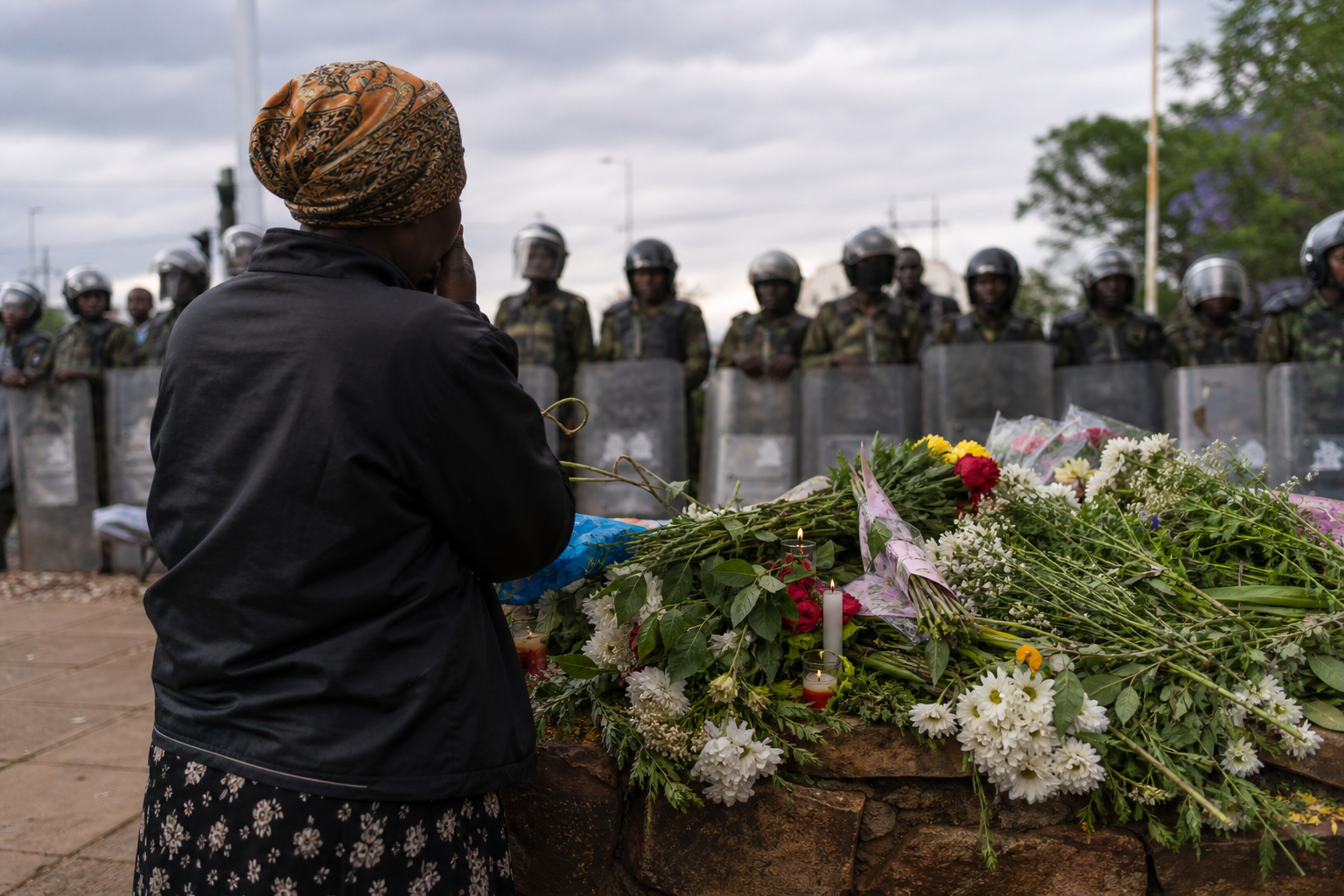
The death of Mama Noureen Nalwanga has brought the devastating human cost of political violence back into sharp focus, exposing how political brutality tears families apart long after the political rallies end.
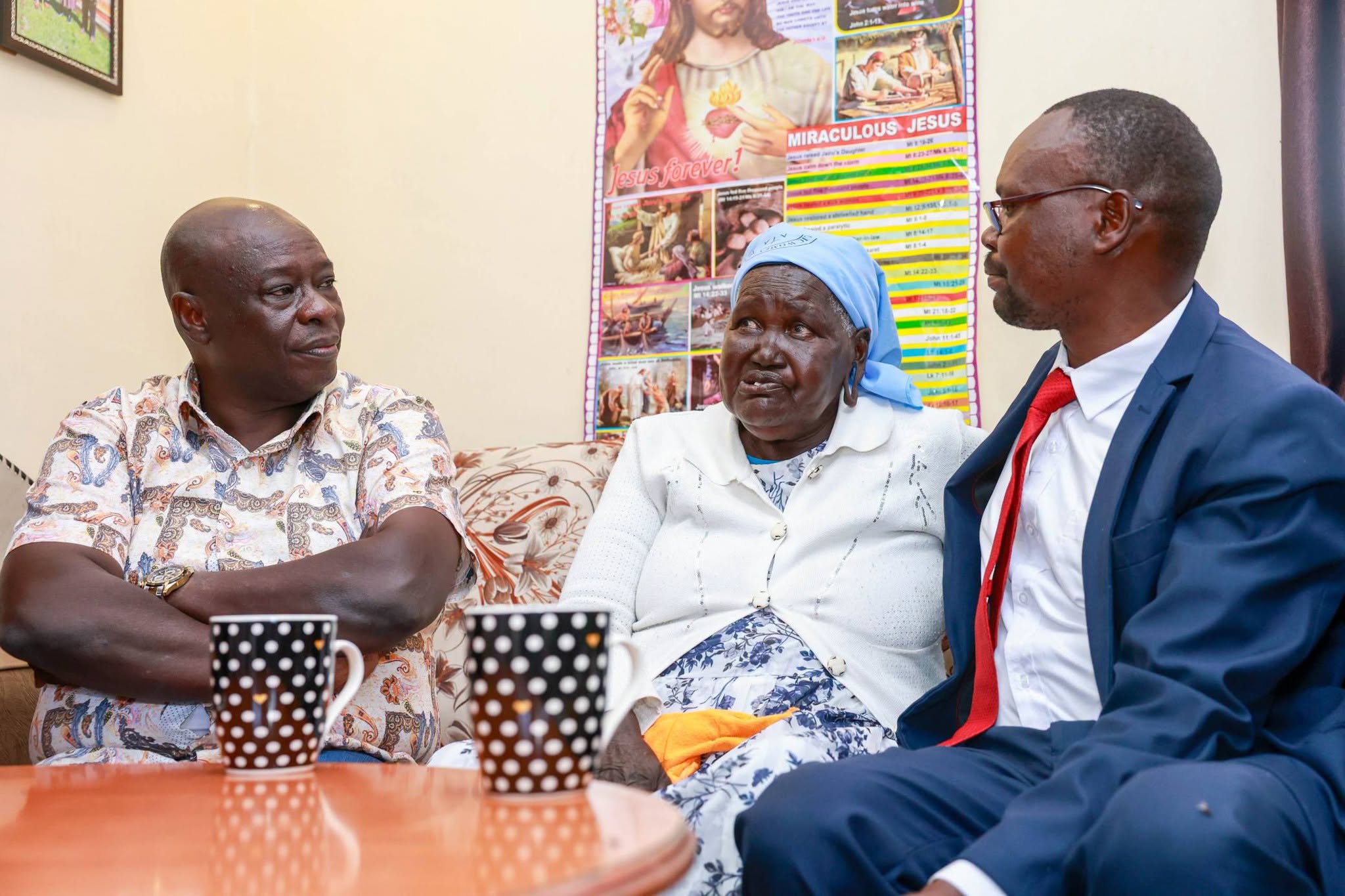
Nalwanga lost her life following violent clashes linked to political rivalries, leaving her family and local community in deep mourning. Her death highlights the human toll behind political conflict, where ordinary citizens often pay the ultimate price for political rivalries that they do not control.
For families affected by such loss, the trauma extends far beyond the immediate grief. The sudden removal of a parent, breadwinner, or community pillar creates lasting emotional and financial instability, shattering the social fabric of local neighbourhoods.
What Happened?
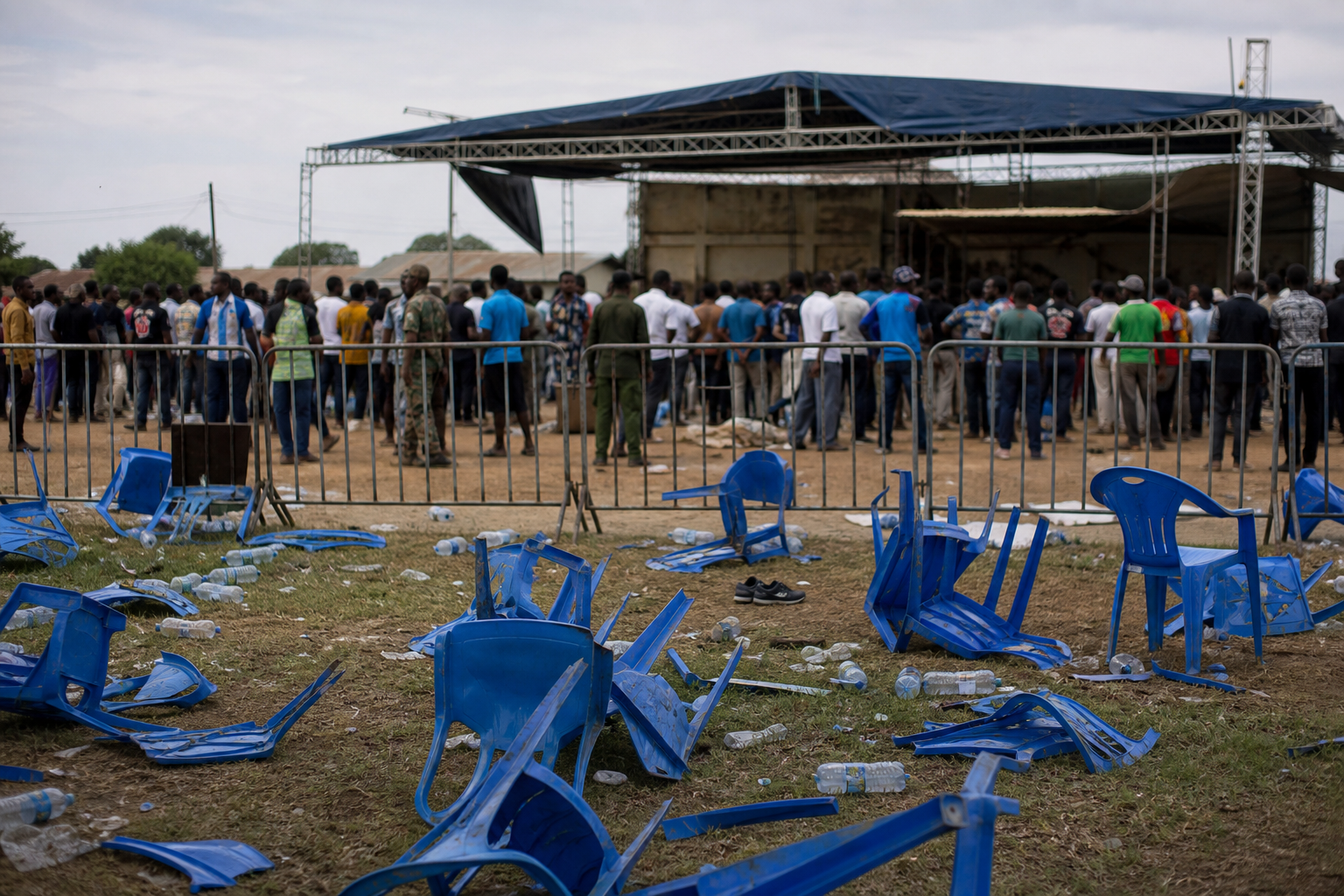
The circumstances surrounding Nalwanga's death reflect a troubling trend in localized political violence. Clashes between opposing political factions frequently erupt during rallies, grassroots mobilisations, or targeted confrontations, putting bystanders and community members directly in harm's way.
Community leaders and civil rights advocates have increasingly expressed concern over the normalization of violence as a tool for political engagement. Instead of peaceful discourse, political events in various regions have repeatedly devolved into violent confrontations.
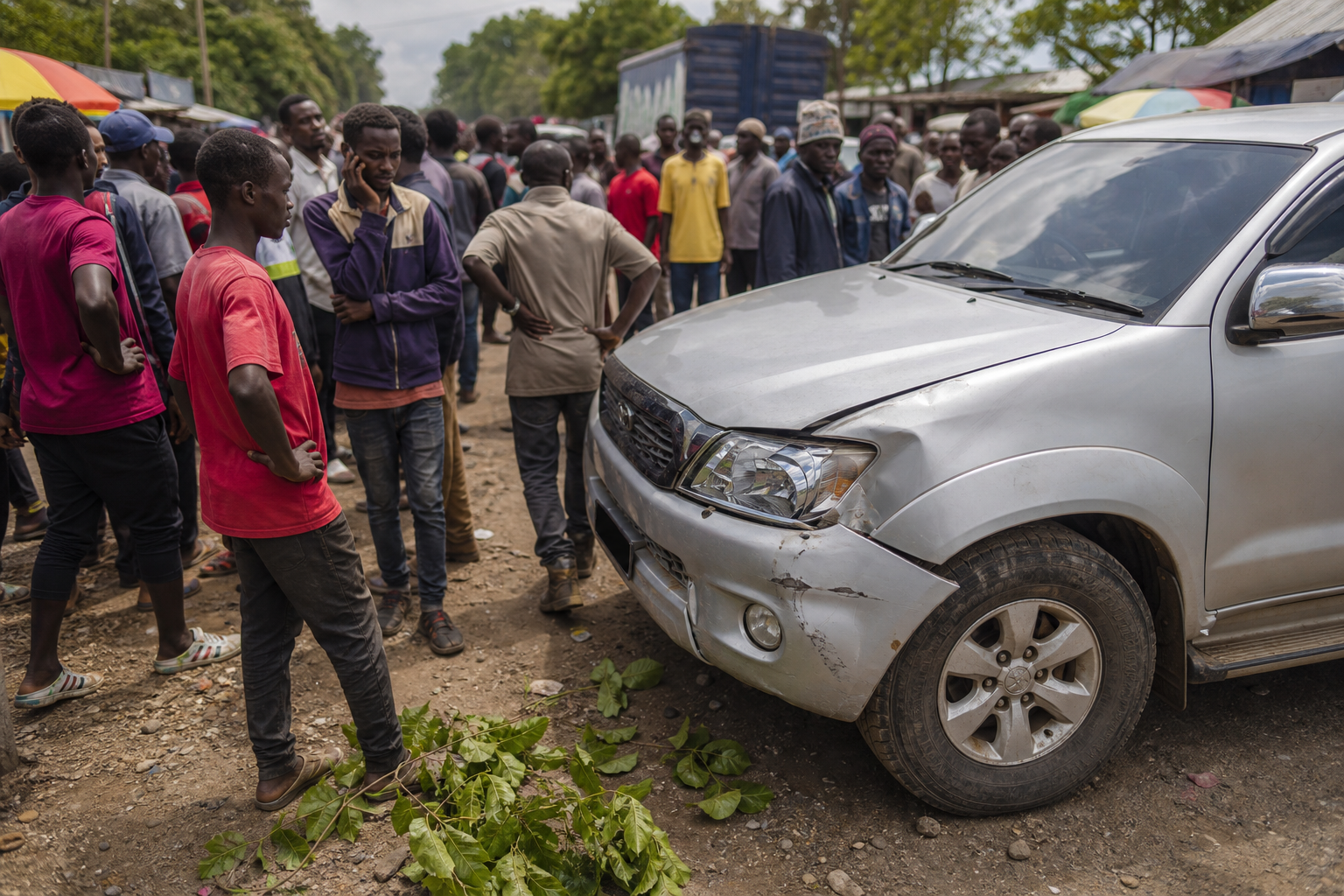
When clashes occur, ordinary citizens attending events, running small businesses, or simply living in nearby neighbourhoods find themselves exposed to unprovoked hostility. Nalwanga's death stands as a stark reminder of the lethal reality behind these political skirmishes.
Why It Matters
The loss of life in political conflicts challenges the dangerous normalization of brutality in public life. When political violence becomes a routine expectation, society risks desensitizing itself to the loss of human life, reducing personal tragedies to mere statistics or political talking points.
Human rights organizations continuously warn that failing to hold perpetrators of political violence accountable encourages further aggression. When those responsible for organizing, funding, or executing violent acts face no legal consequences, impunity becomes embedded within the political system.
The broader impact on communities is profound. Political violence erodes public trust in democratic processes, deters civic participation, and creates widespread fear. Families are left to bear the physical, emotional, and economic burdens of a system that fails to protect its most vulnerable citizens.
What Comes Next?
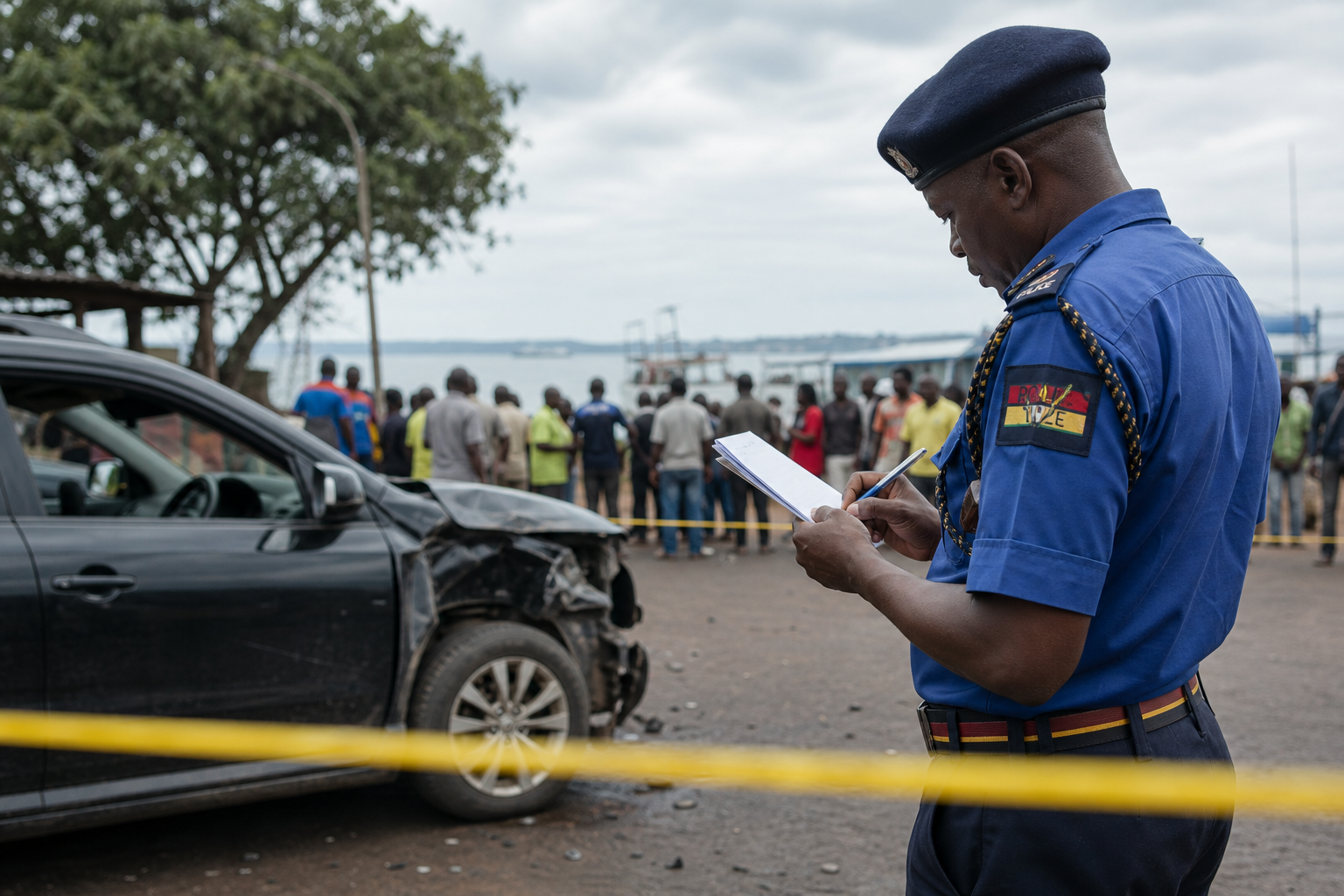
Addressing the human tragedy of political violence requires decisive action from law enforcement, political institutions, and civic leaders. Rights groups continue to demand thorough investigations into acts of political violence to ensure that perpetrators are held accountable under the law.
There are growing calls for political leaders to publicly condemn violence and restrain their supporters. Civic organizations are also pushing for stronger community protection measures during public gatherings to prevent further loss of life.
For the family of Mama Noureen Nalwanga, the focus remains on seeking justice and preserving her memory. Her tragic death serves as an urgent call to reject political violence and prioritize the protection and dignity of human life above political ambition.
This article incorporates M360 source-based analysis on civic safety and political violence.