Accountability in Action: How World Bank Conditional Debarments Really Work
The World Bank's Sanctions Board has imposed a minimum five-year debarment with conditional release on Webmasters Kenya Ltd. and director James Ayugi for misrepresenting expert availability and obstructing an official audit.
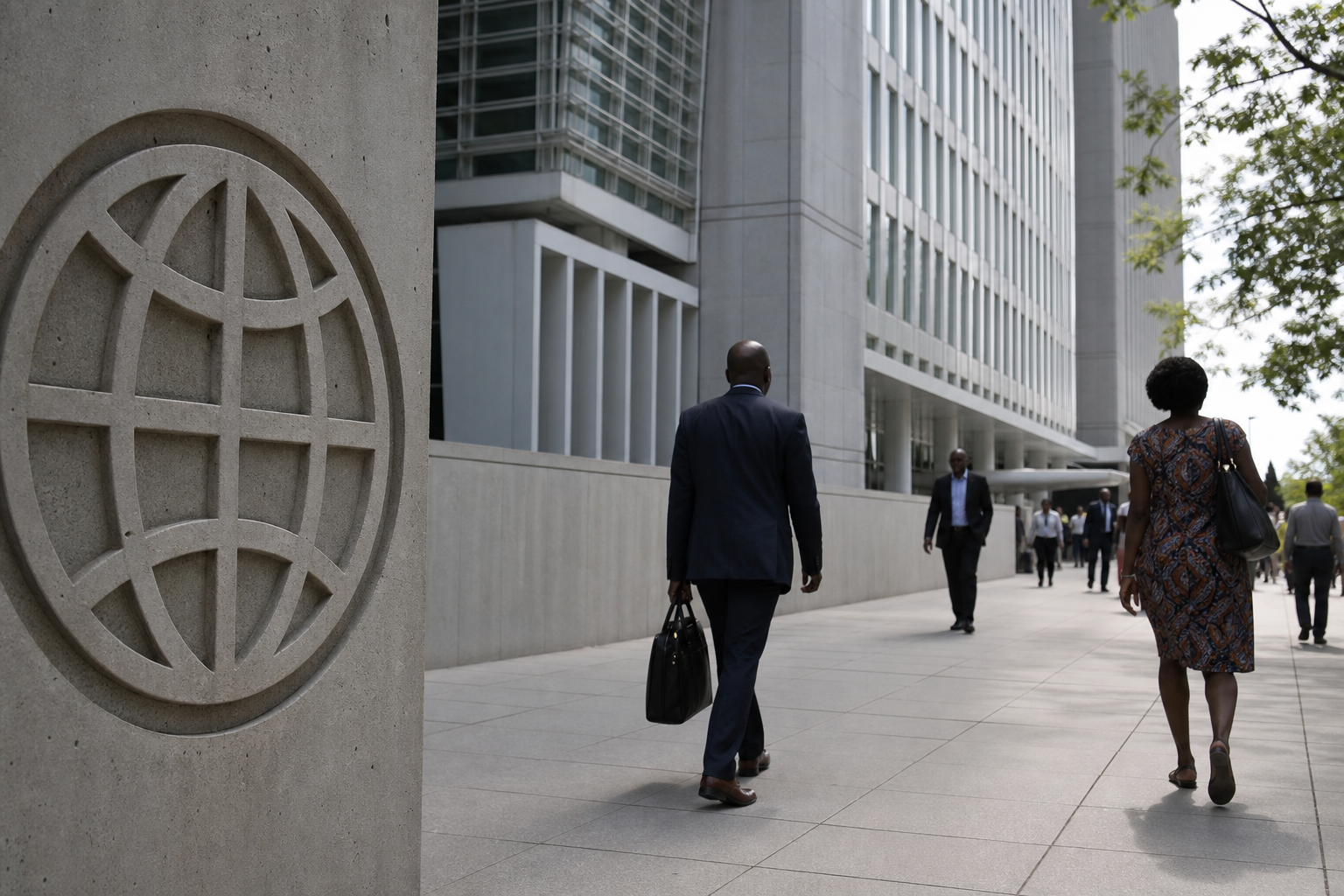
The World Bank's Sanctions Board has issued a sanction of debarment with conditional release for a minimum period of five years against Kenyan firm Webmasters Kenya Ltd. and its director, James Ayugi.
According to an official decision issued by the institutional lender, the penalised parties were found liable for fraudulent and obstructive practices tied to a contract under a World Bank Group financed project.
The decision stems from Sanctions Case No. 790, which was formally detailed in Sanctions Board Decision No. 147. The findings established that the firm and its director misrepresented the availability of two key experts required for the project contract.
Furthermore, the board determined that the respondents materially impeded the exercise of the World Bank's inspection and audit rights. The lender noted that the firm failed to meaningfully comply with documentary requests submitted during an official audit process.
The violations fall under paragraphs 1.23(a)(ii) and 1.23(a)(v) of the World Bank's Guidelines for the Selection and Employment of Consultants under International Bank for Reconstruction and Development (IBRD) Loans and International Development Association (IDA) Credits & Grants, dated January 2011.
How Do World Bank Sanctions Work?
The Sanctions Board functions as an independent administrative tribunal within the multilateral lender, tasked with reviewing allegations of misconduct involving World Bank Group funded contracts.
Debarment represents one of the strongest administrative penalties available to international financial institutions. Under the current ruling, Webmasters Kenya Ltd. and James Ayugi are excluded from participating in any activities or projects financed by the World Bank Group during the minimum five-year term.
The inclusion of a conditional release mechanism sets specific parameters for how sanctions function over time. Rather than ending automatically when the five years elapse, the debarment remains active until the respondents fulfill explicit operational standards mandated by the tribunal.
What Are the Conditions for Release?
Under the terms outlined in Sanctions Board Decision No. 147, the respondents will not regain eligibility by simply waiting out the five-year timeframe.
Instead, the World Bank specified that after the minimum period of debarment, the firm and its director may be released only if they demonstrate full compliance with the conditions established in the decision.
These conditional frameworks typically require respondents to implement institutional integrity compliance programmes, establish internal audit protocols, and demonstrate complete operational transparency to ensure future compliance with international consulting guidelines.
What Happens Next?
The five-year minimum debarment period is now active for both Webmasters Kenya Ltd. and James Ayugi under Sanctions Case No. 790.
The respondents must now meet the institutional compliance benchmarks set out by the board if they intend to apply for release at the conclusion of the minimum term. Failure to satisfy those compliance conditions will keep the debarment active beyond the initial five years.
The full discussion of the factual findings, legal allegations, and analytical determinations remains accessible through the World Bank's Sanctions System portal.