Building Capacity Locally: How Medical Manufacturing Is Shaping Kenya’s Health Future
Kenya is exploring strategic investments with the World Bank to build domestic medical manufacturing infrastructure, aiming to protect the national health system from global supply chain shocks.
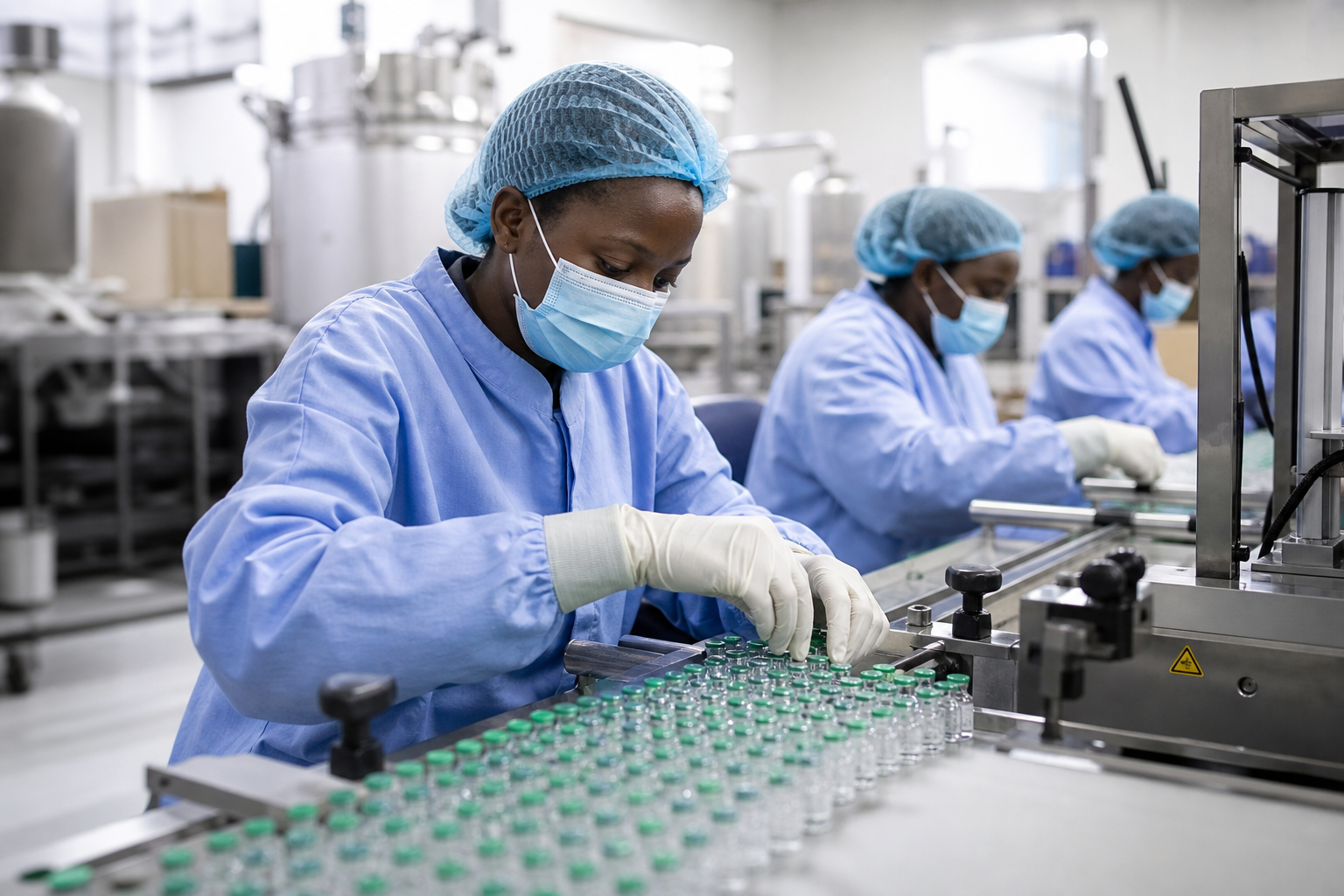
Kenya is shifting the framework of its healthcare policy, moving from relying primarily on imported medical consumables to establishing domestic manufacturing infrastructure.
Official records from the Ministry of Health show that the government has held formal discussions with the World Bank to explore major capital investments in local medical manufacturing. The initiative aims to build domestic capacity for producing essential pharmaceuticals, vaccines, and medical devices.
The strategic shift comes as public health authorities seek to shield the country from international supply chain disruptions, which previously compromised health facility operations during global shortages.
Why Local Production Matters
Kenya currently imports a significant portion of its basic medical supplies and specialized drugs. This reliance leaves the national health system vulnerable to shipping delays, currency fluctuations, and sudden price increases in global markets.
By partnering with international financial institutions such as the World Bank, the Ministry of Health intends to incentivize private sector investments in pharmaceutical plants and specialized manufacturing hubs. The industrial policy aims to secure domestic health needs while positioning Kenya as a regional supplier for the broader East African community.
Securing institutional funding for domestic manufacturing factories is viewed as a necessary precursor to sustaining the government's Universal Health Coverage program. Without lower unit costs for basic medical supplies, expanded public healthcare coverage risks overextending the national health budget.
What Are The Next Steps?
The Ministry of Health and its multilateral partners are continuing discussions to define the financing frameworks and regulatory incentives required for prospective manufacturers.
Key details remain under negotiation, including the specific tax concessions for imported raw materials, local procurement quotas for public hospitals, and compliance standards aligned with international regulations.
Government officials indicate that establishing local production facilities will be a multi-year project. The success of the industrial strategy will depend on maintaining long-term financial commitments, upgrading local technical expertise, and ensuring that locally produced medical goods meet global safety benchmarks.