A Quiet Shift: How Ndindi Nyoro’s Proposal Alters Mt Kenya Politics
Ndindi Nyoro's latest policy moves signal potential shifts in central Kenya's political hierarchy, creating strategic challenges for Gachagua, Kenyatta, and opposition strategists ahead of 2027.
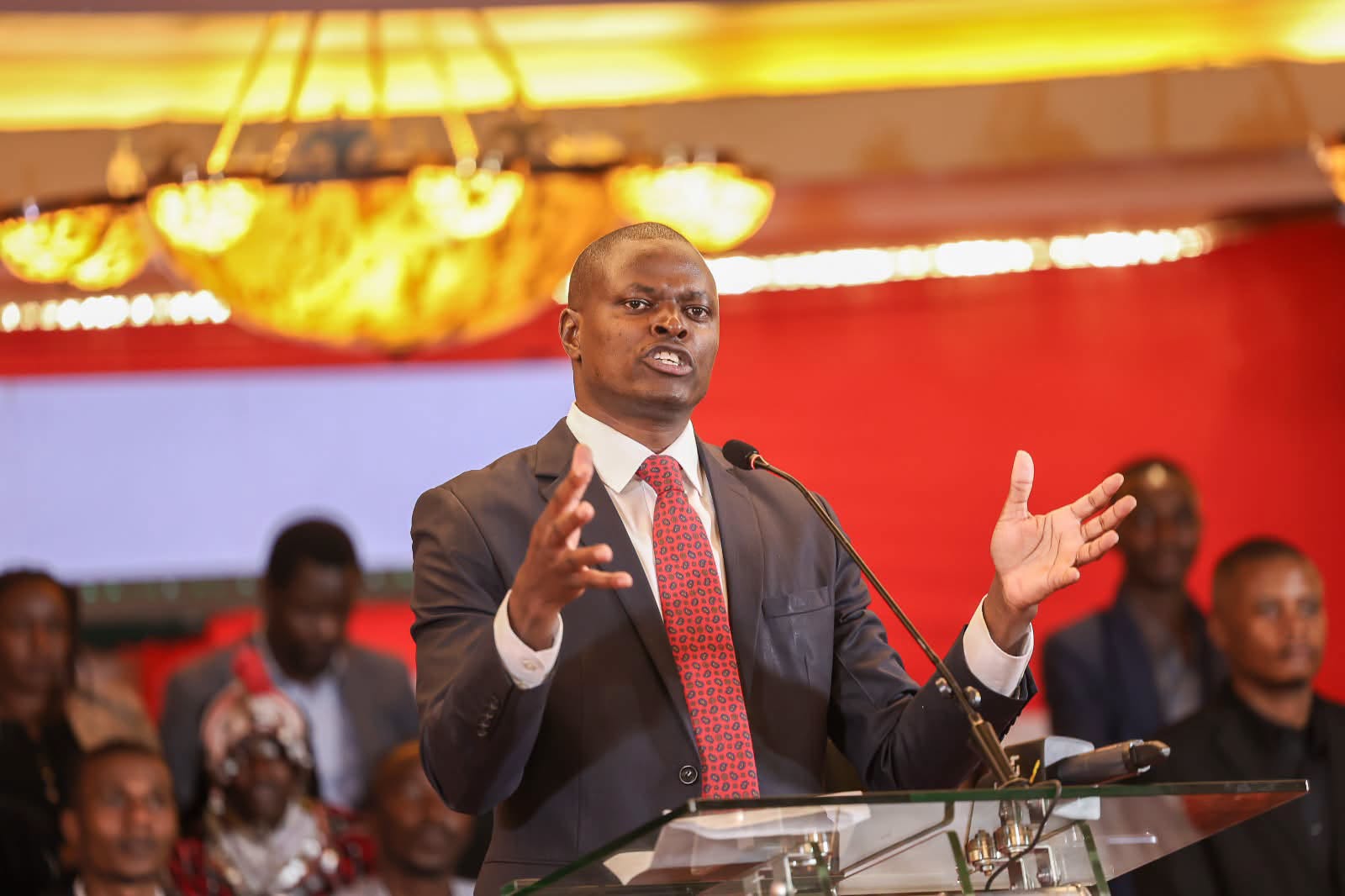
The vote-rich Mt Kenya region is facing a fresh political realignment following an expansive policy statement by Kiharu MP Ndindi Nyoro, a move that threatens to disrupt existing power balances as factions positioning for the 2027 general elections redraw their strategies.
Nyoro outlined a comprehensive policy blueprint on social media, reflecting on lessons from previous national campaigns and arguing that governance requires deeper planning than political rallies. In a public statement on Facebook, the lawmaker detailed proposals across education and economic sectors aimed at implementation immediately after the next election cycle.
Free Secondary Education Funding Proposal
Funding breakdown for proposed free secondary education initiative
KSh10 billion (NG-CDF)
National Government Constituencies Development Fund
KSh10 billion (County equitable share)
County equitable share allocations
KSh15 billion (National government)
National government direct funding
KSh10,000 subsidy for boarding students
Subsidy for boarding students
Source: facebook.com. Chart by M360 News.
By presenting a detailed manifesto directly to voters, the Kiharu MP has implicitly signaled his intention to play a central role in shaping the political direction of central Kenya. The region has experienced a leadership vacuum and heightened internal competition since the 2022 general elections, making any major policy declaration a potential flashpoint for regional supremacy.
What Changed?
The timing and broad scope of the declaration mark a departure from traditional alignment politics in the region. Rather than framing his message around ethnic unity or transactional alliances, the MP focused heavily on public finance reallocation and institutional reform, including a proposal to introduce free secondary education starting in January 2028.
According to figures outlined in the MP's Facebook update, funding for free secondary education across 9,500 senior secondary schools serving 3.5 million learners would rely on pooling KSh10 billion ($77.27 million) from the National Government Constituencies Development Fund (NG-CDF), KSh10 billion ($77.27 million) from county equitable share allocations, and KSh15 billion ($115.90 million) directly from the national government. The proposal also includes a subsidy of KSh10,000 ($77.27) for boarding students.
Proposed Funding for Free Secondary Education
Breakdown of proposed funding sources for free secondary education
- National Government Constituencies Development Fund (NG-CDF)KSh 10 billion
- County equitable share allocationsKSh 10 billion
- National government direct fundingKSh 15 billion
Source: facebook.com. Chart by M360 News.
This direct policy intervention puts pressure on existing regional leaders who have historically relied on broad political consensus rather than specific costed manifestos to retain influence. It signals a shift toward policy-driven competition, challenging established political operators to match detailed economic plans.
Who Gains?
The public intervention directly impacts Deputy President Rigathi Gachagua, who has been working to solidify his position as the undisputed kingpin of the Mt Kenya region. Nyoro's elevated profile and independent policy platform create an alternative power center within the ruling coalition's regional base, complicating efforts to present a unified political front under Gachagua's leadership.
At the same time, the move alters the calculus for former President Uhuru Kenyatta, whose political legacy and network in the region remain influential. Kenyatta's allies have consistently argued that the current administration's policies fail to protect central Kenya's economic interests. Nyoro's emphasis on delivering public services without raising taxes directly targets these voter concerns, potentially reclaiming ground lost by the ruling coalition.
For opposition strategists planning for the 2027 general elections, division within Mt Kenya creates both opportunities and strategic dilemmas. A fractured ruling coalition base in central Kenya could open avenues for multi-party coalitions, though a policy-heavy campaign by younger leaders could make the region harder to win through traditional opposition rhetoric.
What Comes Next?
The focus now shifts to how rival political camps in Mt Kenya will respond to this early declaration of intent. As the country moves closer to the 2027 election cycle, national and county leaders will come under pressure to address the specific financial mechanisms proposed for public sector reforms, including the harmonisation of Early Childhood Development Education (ECDE) teachers under a national commission and teacher transfer policy changes.
Parliamentary debates over budget allocations and county revenue sharing will serve as an early test of whether these proposals gain traction among lawmakers. Political alliances across central Kenya are expected to tighten as key stakeholders weigh the risk of fragmentation against the demand for clear economic leadership.