Anatomy of a political fall: How Kindiki’s account exposes Gachagua’s fatal missteps
Deputy President Kithure Kindiki's account of Rigathi Gachagua's impeachment exposes the strategic miscalculations, regional friction, and high-stakes fallout that reshaped Kenya's executive branch.
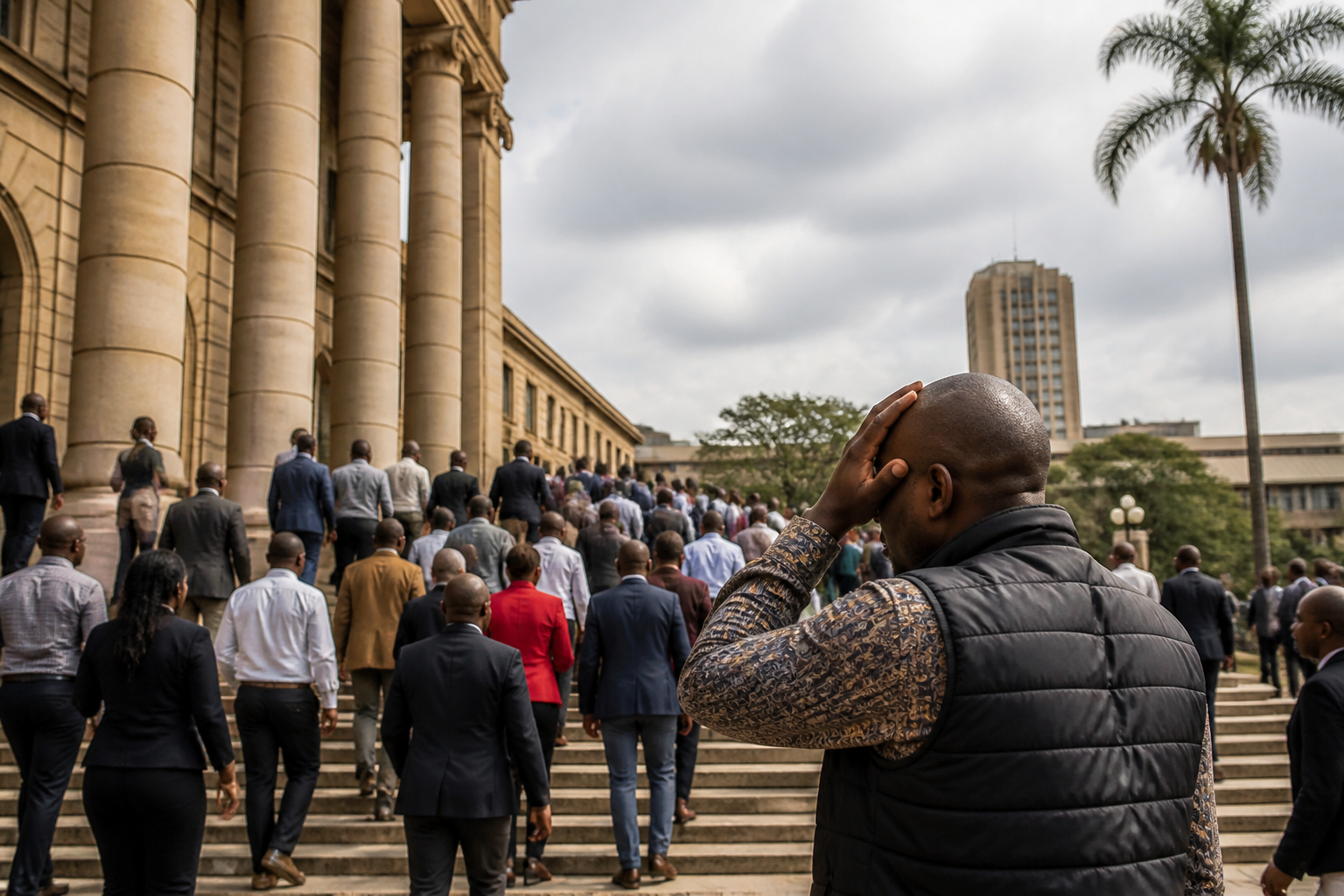
The swift elevation of Kithure Kindiki to Kenya's second-highest office has reshaped the country's political landscape, laying bare a high-stakes power struggle at the heart of the executive branch. In a public accounting of the turmoil that split the ruling administration, Deputy President Kindiki revealed that his predecessor, Rigathi Gachagua, received multiple warnings regarding political friction before parliament ultimately voted to remove him.
The political fallout between the current and former second-in-command highlights the fragile balance within the ruling alliance. According to reporting by The Star, Kindiki claimed that Gachagua routinely ignored strategic advice that could have prevented his historic impeachment. The revelations offer a rare look into the internal disputes that fractured President William Ruto's administration, illustrating how ideological divisions and regional rivalries escalated into an unprecedented constitutional crisis.
For citizens watching the drama unfold, the feud is about far more than personal ambition. It underscores a fundamental debate over executive governance, coalition politics, and the unwritten rules of survival in Kenyan statecraft. The transition represents a decisive realignment of power, with the administration attempting to re-establish stability following months of public acrimony.
Strategic miscalculations and explicit warnings
The rift between the former deputy president and the ruling establishment did not emerge overnight. According to The Star, Kindiki asserted that Gachagua was repeatedly counselled against taking political stances that alienated key coalition partners and undermined executive unity.
The primary misstep, according to Kindiki's public account, was Gachagua's insistence on pursuing narrow political interests at the expense of national broad-based leadership. Despite warnings that his rhetoric was isolating him within the government, the former deputy president continued his confrontational approach, ultimately exhausting his political capital in Parliament.
When the impeachment motion reached the National Assembly and the Senate, Gachagua found himself without the legislative numbers to defend his seat. Analysts note that his failure to build bridges across factional divides left him vulnerable once the executive leadership withdrew its backing, triggering the legal mechanism for his removal.
National cohesion versus regional mobilization
Beyond internal disputes, the clash between Kindiki and Gachagua reflects a broader struggle over political philosophy in East Africa's largest economy. Throughout his tenure, Gachagua faced criticism for his focus on regional mobilization, particularly within the voting block of Mount Kenya, which opponents argued conflicted with national unity.
In contrast, President Ruto and his supporters have called for a departure from sectarian politics. According to Citizen Digital, President Ruto publicly dismissed opposition strategies and urged Kenyans to reject tribal politics in favour of development-focused governance. Kindiki's appointment fits into this strategy, positioning the presidency as a unified front focused on national service delivery rather than transactional regional bargainings.
However, critics caution that sidelining a leader with strong regional roots carries political risks. The Standard reported growing public concern that the Cabinet has placed political manoeuvring ahead of effective service delivery, arguing that ongoing political infighting risks distracting the government from tackling pressing economic challenges.
Broader realignments and the path ahead
The fallout from Gachagua's removal extends across the entire political spectrum, forcing both government and opposition forces to recalibrate. As the executive attempts to project stability under Kindiki, opposition leaders are simultaneously adjusting their strategies ahead of future electoral contests.
According to People Daily, Cabinet Secretary Kipchumba Murkomen recently urged opposition figures to adopt national politics, highlighting how the government is actively framing the political narrative around broad-based unity. At the same time, regional power dynamics remain in flux. Analysis by Daily Nation points out that understated political figures often rebuild influence during periods of institutional realignment, suggesting that the political consequences of the impeachment are far from settled.
For the Ruto administration, the immediate challenge is to prove that the leadership change can translate into better governance and economic progress. As Kindiki settles into his office, all eyes will be on whether the new administration can maintain unity while delivering on its national development promises.