Behind Closed Doors: What the Duale and Jumwa Clashes Reveal About Cabinet Unity
*A heated public exchange between former ministers Aden Duale and Aisha Jumwa has exposed the delicate political balance and internal tensions within President William Ruto's administration.*

Aden Duale (l) and Aisha Jumwa (r) · Aden Duale and Aisha Jumwa / Facebook
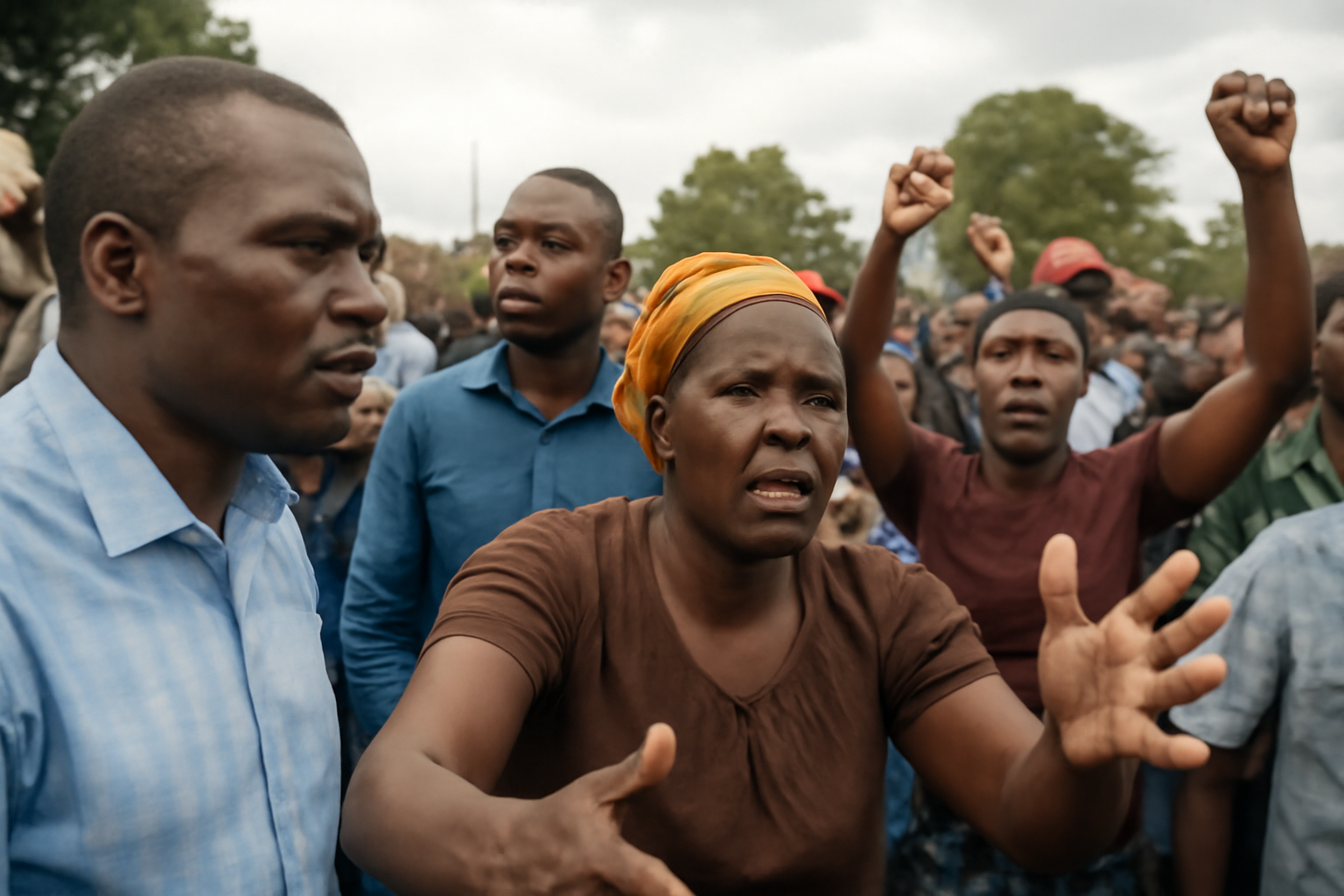
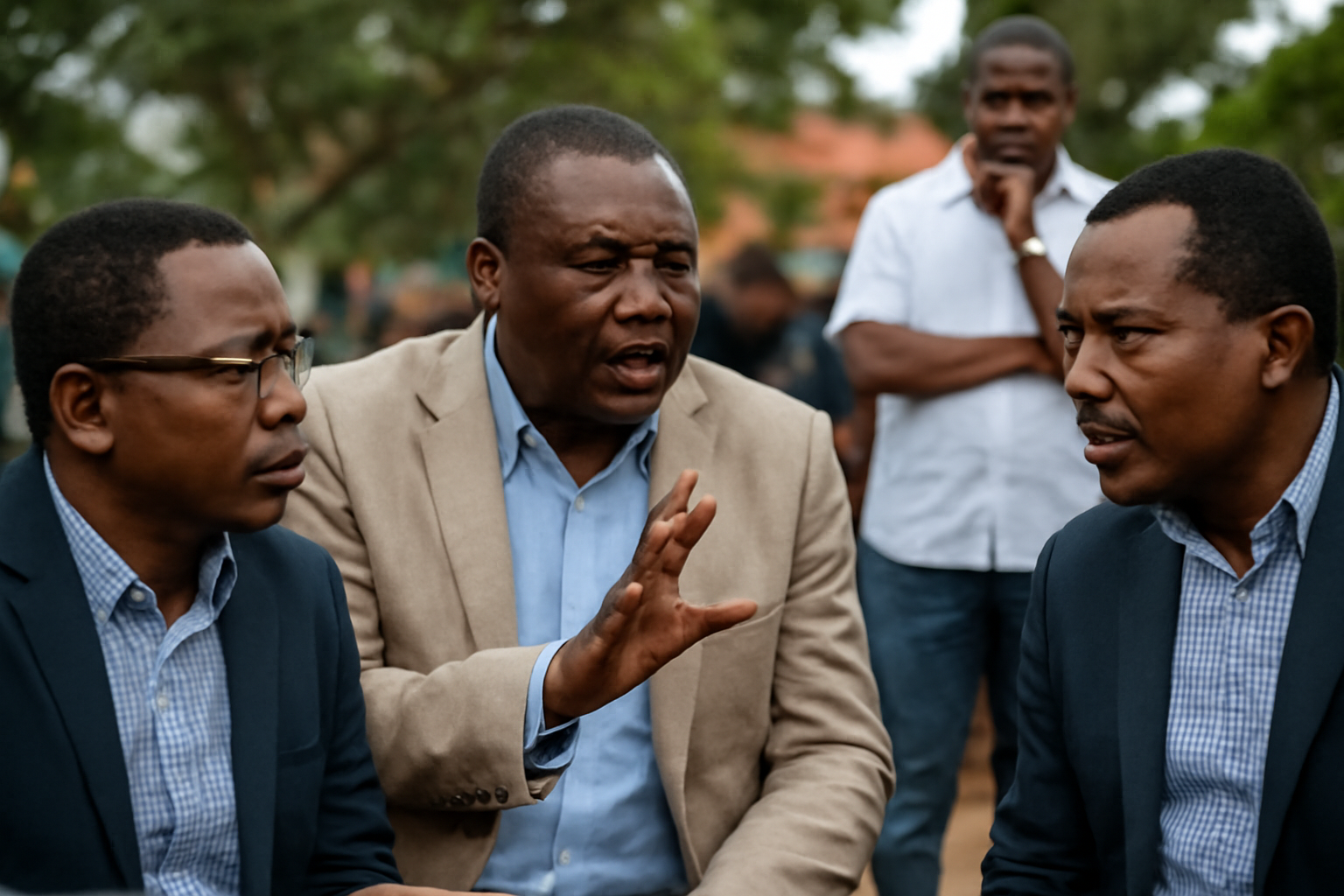
A high-profile clash between former Cabinet Secretaries Aden Duale and Aisha Jumwa has laid bare the underlying tensions and fragile political realignments shaping President William Ruto’s administration.
The open exchange between the two former Cabinet members provides a rare glimpse into the internal frictions and unspoken power dynamics that exist within executive ranks. While Cabinet proceedings are typically guarded by confidentiality, public spats between key political figures signal how regional interests, individual survival, and coalition friction continue to spill into the open.
Health CS Aden Duale and Aisha Jumwa, former Cabinet Secretary for Gender, Culture, the Arts and Heritage, engaged in a heated public disagreement that touched on insider details from their time in government, according to a report by Citizen TV.
What Driven The Fallout?
The friction between Duale and Jumwa reflects broader political shifts within the ruling coalition. Both leaders served as key regional lieutenants for President Ruto during the 2022 election campaign, mobilising support in the Northern and Coastal regions respectively.
However, realignments and Cabinet reshuffles altered individual standings within the administration. Political analysts note that when executive figures lose official portfolios or face shifting internal hierarchies, loyalty structures often fracture, leading to public disagreements over past decisions and political patronage.
The public nature of the fallout underlines how fragile political alliances can become once the immediate goal of winning power has passed. Rather than maintaining collective responsibility, figures within competing factions occasionally air grievances to protect their personal political bases in their home regions.
Why It Matters
The exchange challenges the traditional expectation of Cabinet confidentiality and solidarity. In parliamentary and presidential systems alike, the principle of executive secrecy is designed to present a unified government front. When former ministers trade accusations, it raises questions about governance stability and internal discipline.
For President Ruto, managing competing regional interests remains an ongoing challenge. The coalition relies on a balance of influence across key blocs, including the Coast, Rift Valley, Mount Kenya, and the North East. Unsettled rivalries between prominent leaders from these zones risk destabilising regional grassroots support.
Furthermore, these public clashes expose the transactional nature of coalition politics. When regional figureheads perceive a reduction in their influence or access, political friction quickly manifests as public debate over government conduct and decision-making.
What Comes Next?
The public exchange is expected to heighten scrutiny on how executive unity is enforced within the ruling party. Senior coalition officials may move behind the scenes to contain the fallout and manage regional expectations.
As political alignments continue to evolve ahead of future electoral cycles, further friction among key figures remains possible. The administration's ability to maintain discipline among its influential stakeholders will be vital to preserving stability across its key political constituencies.