Explainer: How community-led action works when viral outbreaks outpace official health systems
When institutional health networks face burnout and systemic bottlenecks, community-led containment strategies deploy localized trust and grassroots surveillance to curb viral transmission.
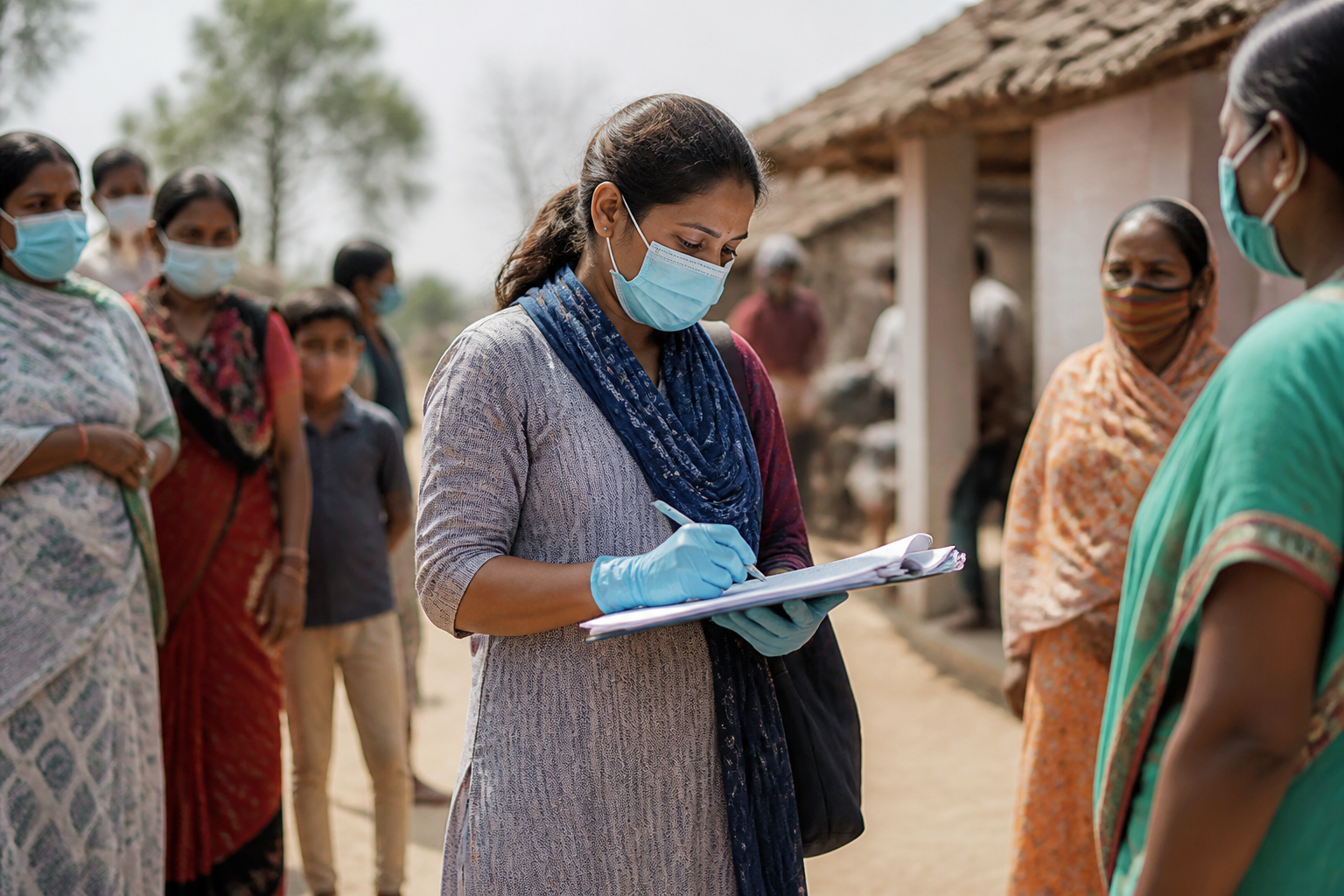
Community-led containment strategies rely on localized trust-building, frontline civic engagement, and grassroots monitoring to curb transmission when traditional public health networks face severe operational strain. Unlike top-down institutional interventions that depend heavily on centralized infrastructure and formal medical personnel, grassroots models deploy trusted local leaders, religious figures, and neighborhood volunteers to identify potential infections, communicate risks, and facilitate isolation protocol adherence.
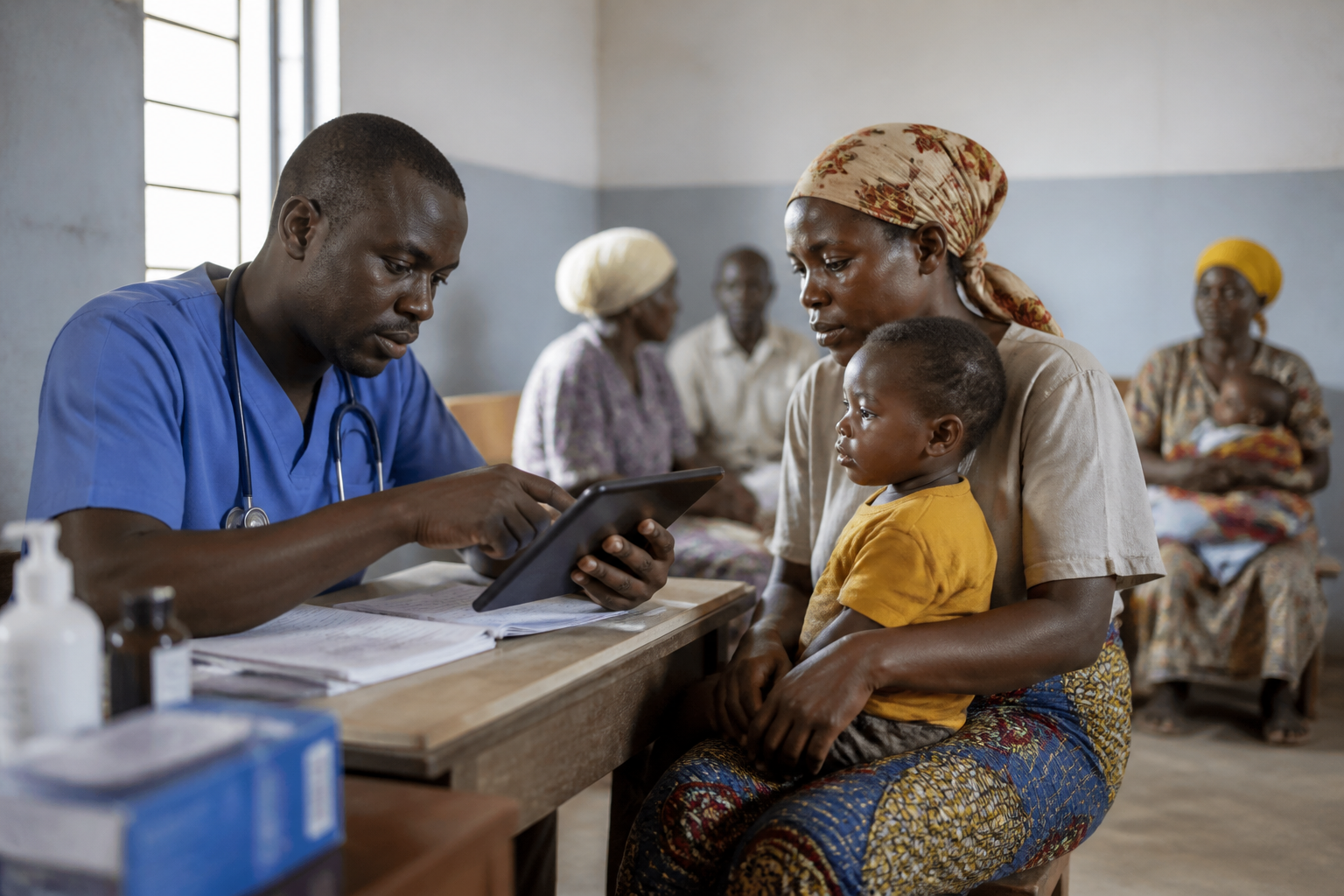
Public health systems frequently encounter structural bottlenecks during major viral outbreaks. Centralized responses often struggle with resource shortages, delayed contact tracing, and systemic fatigue among healthcare personnel. The Washington Post reports that exhausted health workers in the Democratic Republic of Congo have struggled to keep up with viral transmission as Ebola outpaces contact tracing efforts. When official tracing networks become overwhelmed by rapid community spread, local intervention strategies serve as an essential line of defense to bridge public health infrastructure gaps.
At their core, community-driven responses seek to address the friction that frequently emerges between state public health authorities and affected populations. While institutional responses prioritize clinical triage and strict regulatory mandates, localized efforts focus on established social networks to encourage voluntary isolation, reduce social stigma, and secure compliance with safety guidelines.
How community-led containment operates
Community-led containment functions through decentralized networks of local actors who operate directly within affected neighborhoods. Rather than relying solely on mobile epidemiological teams arriving from regional centers, these strategies recruit residents, community health workers, and civil society organizers who possess existing social capital.
The operational architecture typically relies on four functional pillars:
- Localized surveillance: Community members monitor neighborhood health status, reporting early symptoms to local health coordinators before cases reach overburdened clinical facilities.
- Culturally aligned communication: Public health warnings and guidance are translated into local dialects and framed around community values, countering misinformation more effectively than distant state broadcasts.
- Peer-driven contact mapping: Neighbors assist in identifying potential contact chains, leveraging intimate knowledge of local social movements that external contact tracers might miss.
- Home-level support structures: Volunteer networks organize food distribution and basic care delivery for households undergoing self-isolation, mitigating the economic pressures that force symptomatic individuals to leave their homes.
By decentralizing early detection and isolation assistance, community models aim to slow infection velocity before cases saturate regional medical centers.
Institutional responses versus localized engagement
The structural differences between centralized institutional responses and localized civic engagement often dictate how rapidly an outbreak is contained. Top-down frameworks focus primarily on laboratory diagnostic capacity, formal quarantine facilities, and hospital bed management. However, these systems can founder if community resistance or logistical breakdowns prevent early case identification.
| Feature | Institutional Public Health Response | Community-Led Containment |
|---|---|---|
| Primary Authority | State ministries, international health bodies | Local leaders, civic associations, neighborhood volunteers |
| Traceability Model | Formal epidemiological tracing teams | Peer-based social mapping and local self-reporting |
| Communication Strategy | Mass media broadcasts, official health bulletins | Direct interpersonal dialogue, localized outreach |
| Operational Bottleneck | Personnel burnout, institutional distrust, resource scarcity | Limited medical equipment, variable local capacity |
| Resource Footprint | Capital-intensive ($1.00 million [about KSh 129.21 million]+ per regional deployment) | Low-cost, resource-flexible operational units |
Interpretation of epidemiological data suggests that while institutional capabilities remain indispensable for specialized clinical care and vaccine deployment, community networks provide the operational flexibility required to maintain contact tracing when official health channels stall.
Operational challenges and funding limitations
Despite their efficacy in maintaining contact tracing during surge periods, community-led containment models face significant operational constraints. Grassroots networks generally lack direct access to medical-grade protective equipment, diagnostic reagents, and formal financial backing.
When public health infrastructure comes under strain, international relief funds often remain tied to formal state channels or international non-governmental organizations. A standard international emergency response package budgeted at $5.00 million (about KSh 646.05 million) typically allocates less than 10 percent of direct funding to grassroots civic associations, limiting their ability to sustain long-term contact tracing or provide material support to isolated households.
Furthermore, community volunteers operate under extreme physical and emotional strain during prolonged health emergencies. Without institutional backing, localized responses risk fragmentation, leaving high-risk areas without standard health oversight.
What happens next
As public health agencies evaluate global response strategies for emerging viral threats, international health organizations are increasingly examining hybrid containment frameworks. These models aim to integrate community-led monitoring directly into state disease surveillance systems before contact tracing networks become overwhelmed.
Epidemiologists and policy analysts are watching whether international donors will establish direct funding mechanisms for grassroots health networks in outbreak-prone regions. Establishing pre-funded local surveillance networks could allow frontline communities to initiate immediate contact tracing, stabilizing transmission rates while formal health institutions mobilize broader medical interventions.