How digital health records are transforming rural care in Uganda
By swapping paper ledgers for digital medical records, frontline clinics across rural Uganda are cutting waiting times and improving care for thousands of patients.
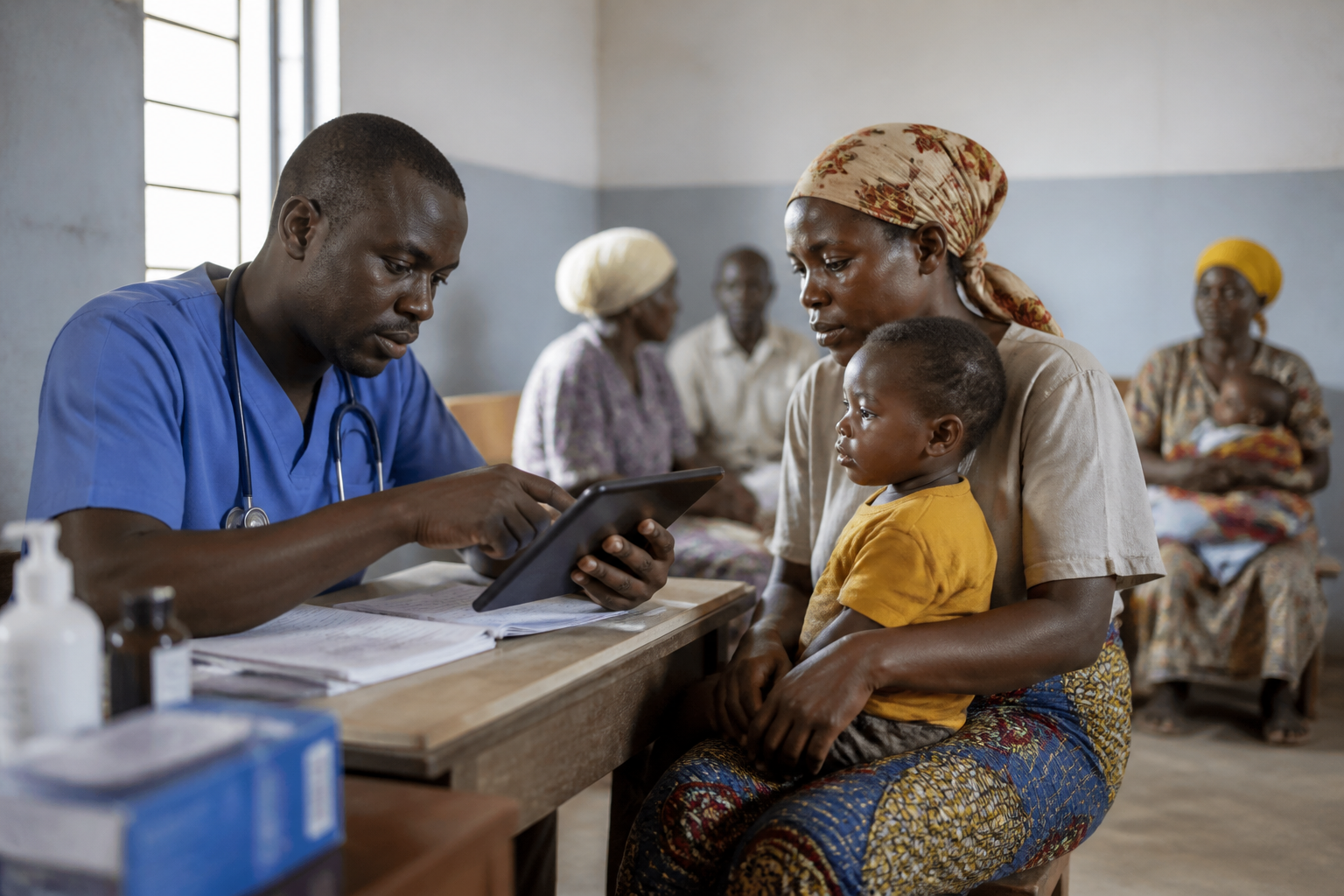
When patients walk through the doors of a remote village clinic in Uganda, their entire medical history can now travel ahead of them at the tap of a screen. Up and down the country, rural health centers are abandoning paper registries in favour of digital medical records, fundamental software systems designed to track treatments, manage drug inventories, and ensure patients receive timely care.
According to reporting by the Daily Monitor, the deployment of electronic health systems in off-grid and hard-to-reach facilities is dramatically streamlining patient delivery across Uganda's countryside. By reducing administrative delays and eliminating lost paper files, the technology allows rural health workers to diagnose conditions faster and manage high patient volumes with greater precision.
For decades, healthcare delivery in deep rural areas was hampered by lost paper charts, duplicated prescriptions, and unrecorded diagnostic histories. Under the newly adopted digital workflows, health personnel can log a patient's vital statistics, clinical notes, and prescription history directly into a centralized or offline-synced database, drastically cutting down waiting times and clinical errors.
Bridging the Rural Health Divide
How exactly does a digital record transform a village clinic? Beyond the simple convenience of going paperless, the software allows healthcare providers to track disease trends, prevent critical drug stockouts, and manage chronic conditions across dispersed populations.
According to the Daily Monitor, rural healthcare outcomes are improving as digital tools allow clinicians to maintain continuous care, even when patients visit different facilities across regions. Automated reporting tools integrated into the software also help local health administrators monitor daily inventory, ensuring essential antibiotics, malaria therapies, and maternal supplies are reordered before shelves run completely bare.
The shift directly addresses long-standing challenges in frontline medical delivery. In many remote health facilities, overworked nurses previously spent hours manually transcribing patient visits into heavy physical ledgers. The transition to digital platforms digitises these workflows, freeing up valuable time for direct clinical consultation and emergency triage.
Overcoming Infrastructure and Operational Hurdles
While the rollout has delivered tangible improvements, deploying digital infrastructure across rural Uganda comes with significant practical hurdles. Many primary care clinics operate in areas with unstable electrical grids and patchy cellular network coverage.
To overcome these barriers, local health centers rely on low-power tablets, solar battery arrays, and hybrid software applications that run locally without an active internet connection, according to the Daily Monitor. Data collected offline during the day automatically syncs to central ministry databases once a network connection is established or when mobile health officers visit the facility.
Training frontline health workers—many of whom have limited prior experience with enterprise medical software—remains an ongoing focus. Clinical staff undergo specialized digital literacy workshops to ensure that transitioning from paper to touchscreen devices does not disrupt daily emergency services.
What Happens Next
As the implementation of electronic records expands to additional health centers across the country, local health authorities and technical partners are monitoring system reliability and data security. The long-term objective is to build a fully integrated national health data ecosystem that links primary village clinics directly to regional referral hospitals, ensuring every patient’s medical history follows them wherever they seek care.