How Moldova's Security and Electoral Institutions Track Foreign Interference
Eastern European nation relies on banking surveillance, broadcasting sanctions, and constitutional bans to counter foreign covert influence during national votes.
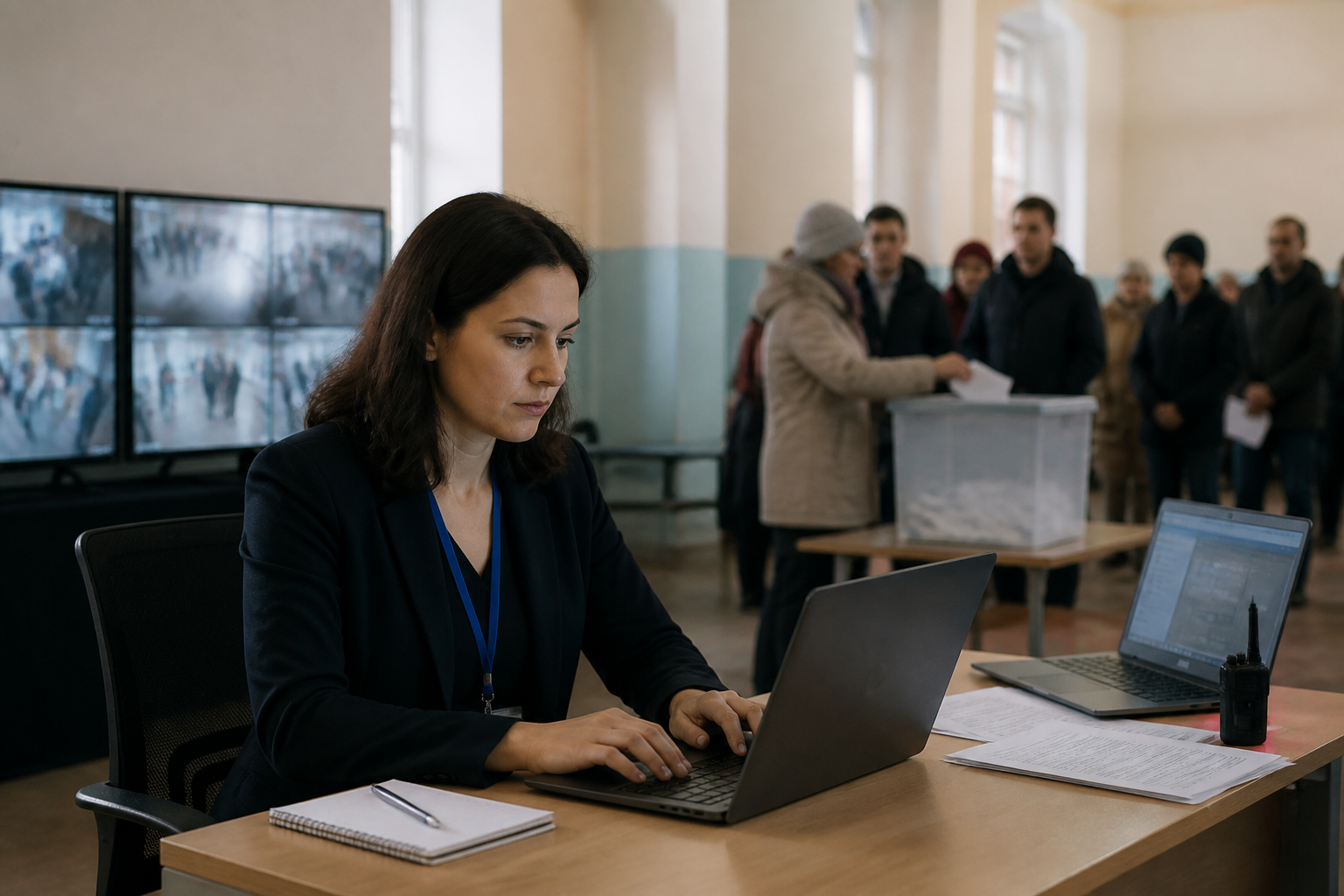
National security authorities and electoral regulators in Moldova rely on an interconnected framework of banking surveillance, intelligence monitoring, and strict campaign finance laws to counter foreign political interference during major votes.
According to reporting by The New York Times, Russian state actors and affiliated networks conducted extensive covert campaigns aimed at disrupting the Eastern European nation's pro-Western government during recent electoral cycles. In response, Moldovan state institutions have deployed administrative and law enforcement mechanisms to detect illicit cross-border financial flows, restrict sanctioned media outlets, and disqualify candidates linked to external influence operations.
Understanding how Moldova tracks and neutralises foreign interference offers a clear view into the legal and security toolkit of a frontline democracy managing severe geopolitical pressure.
Financial tracking and campaign finance enforcement
The primary weapon in Moldova’s defense strategy is financial transparency enforced through the banking sector and the national police. Moldovan law strictly forbids the foreign funding of political parties, candidates, and ballot initiatives.
To enforce this, Moldovan intelligence services and financial intelligence units monitor cross-border wire transfers, cryptocurrency transactions, and illicit cash smuggling. According to investigations cited by The New York Times, Russian operations frequently attempt to bypass the formal banking system by using peer-to-peer networks, illicit couriers, and digital cards issued by foreign banks to pay off voters and finance anti-government protests.
When suspicious financial activity is flagged, the national anti-corruption agency works alongside local law enforcement to execute searches and freeze assets. Under Moldovan electoral law, candidates or political parties found receiving covert foreign financing face immediate administrative fines, criminal charges, and disqualification from the ballot by the Central Election Commission (CEC).
Media regulation and digital monitoring
Moldova’s Information and Security Service (SIS) and the Audiovisual Council serve as the primary monitors for information space security. When foreign intelligence networks launch targeted disinformation campaigns to destabilise public trust, these regulatory bodies step in to enforce domestic broadcast and digital laws.
The Audiovisual Council regularly inspects television and radio broadcasts for foreign state propaganda and unauthorized political advertising. Channels that violate national broadcasting codes face escalating sanctions, ranging from financial penalties to the suspension or revocation of their broadcasting licences.
In the digital sphere, national security agencies maintain direct channels with global technology companies to identify and remove coordinated inauthentic behaviour, fake accounts, and illegal political ads funded from outside the country. According to The New York Times, these digital vectors are routinely leveraged by external actors attempting to influence public sentiment ahead of key elections.
Judicial intervention and candidate disqualifications
When administrative fines fail to deter coordinated interference, Moldova relies on legal mechanisms to ban destabilising political organizations altogether.
Moldovan courts possess the constitutional authority to outlaw political parties found to be operating as instruments of a foreign state. Once a party is declared unconstitutional or banned, the CEC applies legislative rules preventing key members and affiliated candidates from running under alternative labels or as independents.
Security agencies present classified intelligence directly to judicial panels to demonstrate links between domestic political entities and foreign handlers. This legal process allows the state to strip covertly funded campaigns of their official standing before polling day.
What happens next
As Moldova prepares for future national votes and continues its accession talks with the European Union, its state institutions are expected to further tighten legal penalties for foreign interference. Authorities plan to introduce stronger digital surveillance frameworks, expand international cooperation with European intelligence partners, and implement stricter penalties for illicit vote-buying schemes to protect the integrity of upcoming ballots.