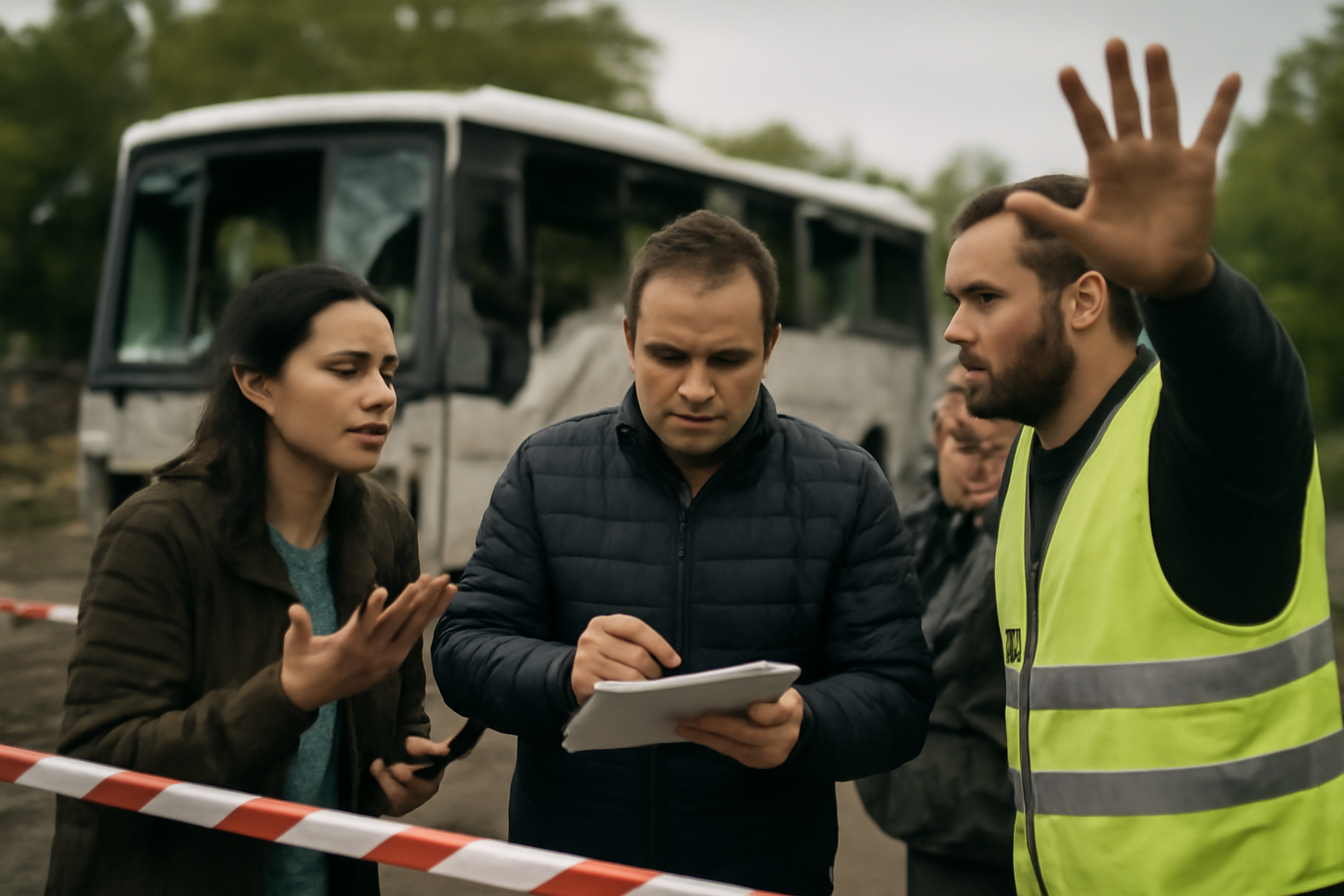
Infrastructure gaps and response speed drive casualties in 7.7-magnitude Indonesian quake
At least 47 people are dead after a powerful tremor struck Indonesia, highlighting how structural vulnerabilities and rescue speeds shape early disaster tolls.
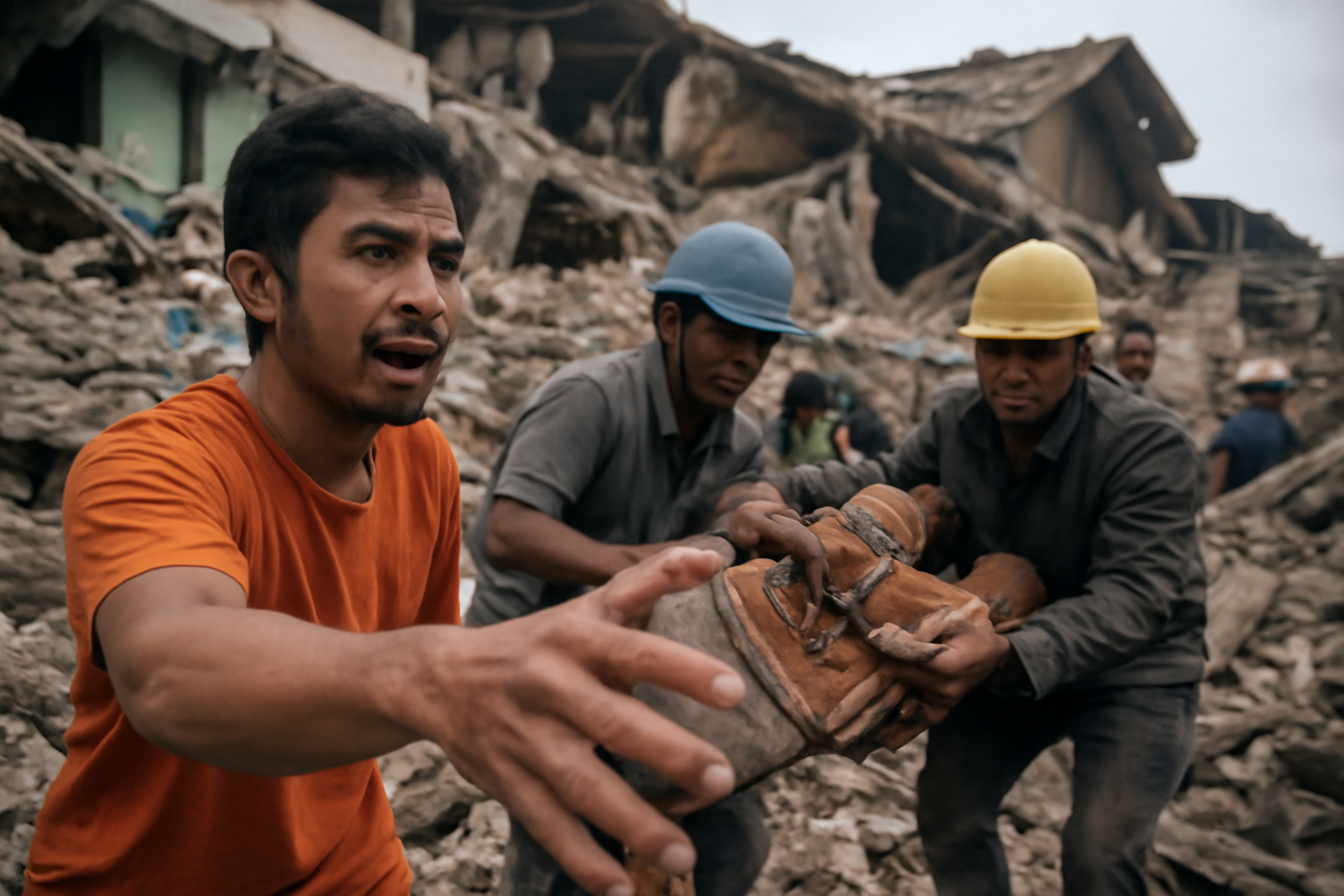
When a massive 7.7-magnitude earthquake struck Indonesia, the swift rise in early casualties highlighted a recurring challenge for the archipelagic nation: the critical race between structural resilience and emergency response speed.
At least 47 people have been confirmed dead following the powerful tremor, according to The Washington Post. The severe shaking devastated local communities, triggering urgent search and rescue operations across affected districts as emergency teams worked to extract survivors trapped beneath collapsed concrete and debris.
The tragedy underscores how heavily early casualty figures in major Indonesian earthquakes are dictated by structural vulnerabilities in local infrastructure, combined with the logistical hurdles of deploying immediate medical and rescue aid across island territories.
Infrastructure gaps and initial impact
In many parts of Indonesia, unreinforced masonry and non-ductile concrete structures remain highly vulnerable to sudden seismic shocks. When shallow or high-magnitude earthquakes hit, the primary cause of immediate fatalities is severe structural failure, which traps residents inside homes, commercial buildings, and public facilities before they can evacuate.
The initial impact period—often referred to by disaster response experts as the critical window—determines the survival rate of buried victims. When local buildings lack earthquake-resistant engineering, the sheer volume of structural collapses instantly overwhelms primary healthcare workers and community responders who are first on the scene.
Emergency response mechanisms are forced to adapt rapidly in the immediate aftermath. Local disaster management agencies must quickly assess the scale of destruction, clear blocked roadways, and re-establish disrupted communication lines to direct specialized heavy lifting equipment and medical teams to the hardest-hit zones.
Response speed and logistical hurdles
Indonesia’s unique geography presents distinct operational obstacles for emergency services attempting to lower casualty numbers during the first 24 to 48 hours. Transporting medical personnel, mobile surgical units, and search equipment across dispersed landmasses often relies on functional airfields and clear coastal access points, both of which are frequently damaged during major seismic events.
When key transport corridors are severed by landslides or fissured roads, search teams are forced to rely on manual tools and light equipment, significantly slowing the rate of rescue operations. Regional emergency response units must balance immediate deployment with the risk posed by strong aftershocks, which can cause secondary collapses and threaten rescuers.
International relief organizations and national disaster authorities monitor these early hours closely. Beyond immediate life-saving efforts, early interventions require setting up temporary shelters, establishing clean water access, and providing field hospitals to prevent secondary fatalities caused by exposure, untreated injuries, and disease outbreaks among displaced populations.
Future resilience and reconstruction needs
Disaster relief experts note that reducing early casualty counts in future seismic events will require sustained investment in enforcing strict building codes alongside retrofitting existing public infrastructure. While early warning systems provide crucial seconds for coastal tsunami evacuations, inland structural integrity remains the definitive factor in surviving severe ground shaking.
What happens next involves long-term recovery planning and damage assessment. As search and rescue operations conclude in the coming days, local authorities and international agencies will evaluate the full economic and human toll, while regional planners face renewed pressure to reinforce structural safety standards in high-risk seismic zones across the archipelago.