What the record shows — and leaves unanswered — about the Hungary bus crash
An audit of early disclosures following a fatal road accident in Hungary highlights the verified details and the critical operational questions remaining for investigators.
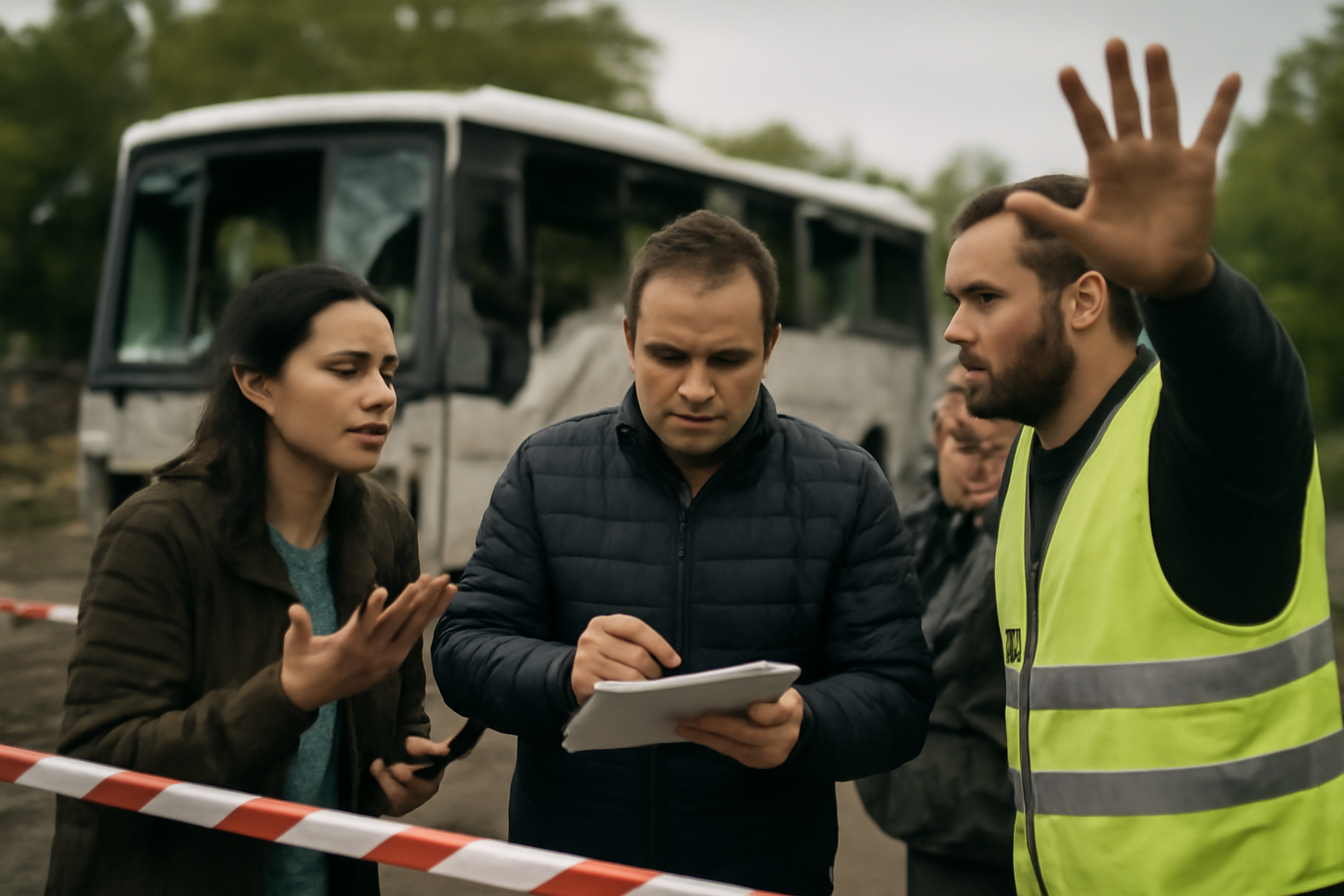
When major transport disasters occur across international borders, initial public statements often provide only a basic framework of what took place. An audit of the early official record following a fatal traffic accident in Hungary shows how quickly a baseline narrative is established, while critical operational details remain open.
According to reporting by The Standard, a Polish bus veered off a Hungarian highway, an incident that resulted in 12 fatalities. The initial disclosure establishes the core event, the vehicle's country of registration, the location of the crash, and the primary loss of life.
However, a systematic review of the early disclosures highlights the specific gaps that emergency responders and transport safety regulators must address during the initial phase of an investigation.
The established facts
The preliminary record relies on confirmed details from local authorities and transport monitoring sources. The core facts confirmed in initial disclosures include:
- Location and vehicle type: The incident involved a bus registered in Poland travelling on a highway within Hungarian jurisdiction, as reported by The Standard.
- Primary trajectory: Initial findings indicate the vehicle departed from its lane and veered off the road surface.
- Human toll: Early reports confirmed 12 deaths resulting directly from the crash.
In international road transport incidents, establishing the vehicle's origin and the precise site of the crash allows consular officials and emergency services to initiate cross-border protocols.
Unverified details and investigative gaps
While the primary facts establish the scale of the tragedy, the early record leaves several vital operational and technical questions unanswered. Based on initial disclosures, key details that remain unconfirmed include:
- Passenger manifest and identities: Initial reporting did not detail the total number of passengers on board, the nationalities of all victims, or the condition of any survivors.
- Driver status and actions: Early disclosures did not confirm the state of the driver, including whether the driver survived, mechanical failures occurred, or driver fatigue contributed to the vehicle veering off the road.
- Environmental and road conditions: Authorities have yet to publish details regarding weather conditions, visibility, road surface quality, or time of day at the moment the bus left the highway.
- Vehicle condition: No initial technical assessment has been released regarding the mechanical state of the Polish bus prior to the collision.
Investigative protocols and next steps
Cross-border traffic investigations in Europe typically follow established legal and technical procedures. Because the crash involved a Polish-registered vehicle on Hungarian soil, investigators from both jurisdictions generally coordinate to examine the physical evidence.
In the coming days, Hungarian accident reconstruction experts are expected to inspect the crash site, examine the vehicle's digital tachograph—which records speed and driving hours—and issue an updated manifest detailing the casualties. Concurrently, diplomatic channels will oversee the formal identification process and the repatriation of victims. Official findings regarding the precise cause of the crash will depend on comprehensive forensic reports from Hungarian police and transport safety agencies.