Local Governance Under Scrutiny: How Homa Bay Rally Shifted Development Debate
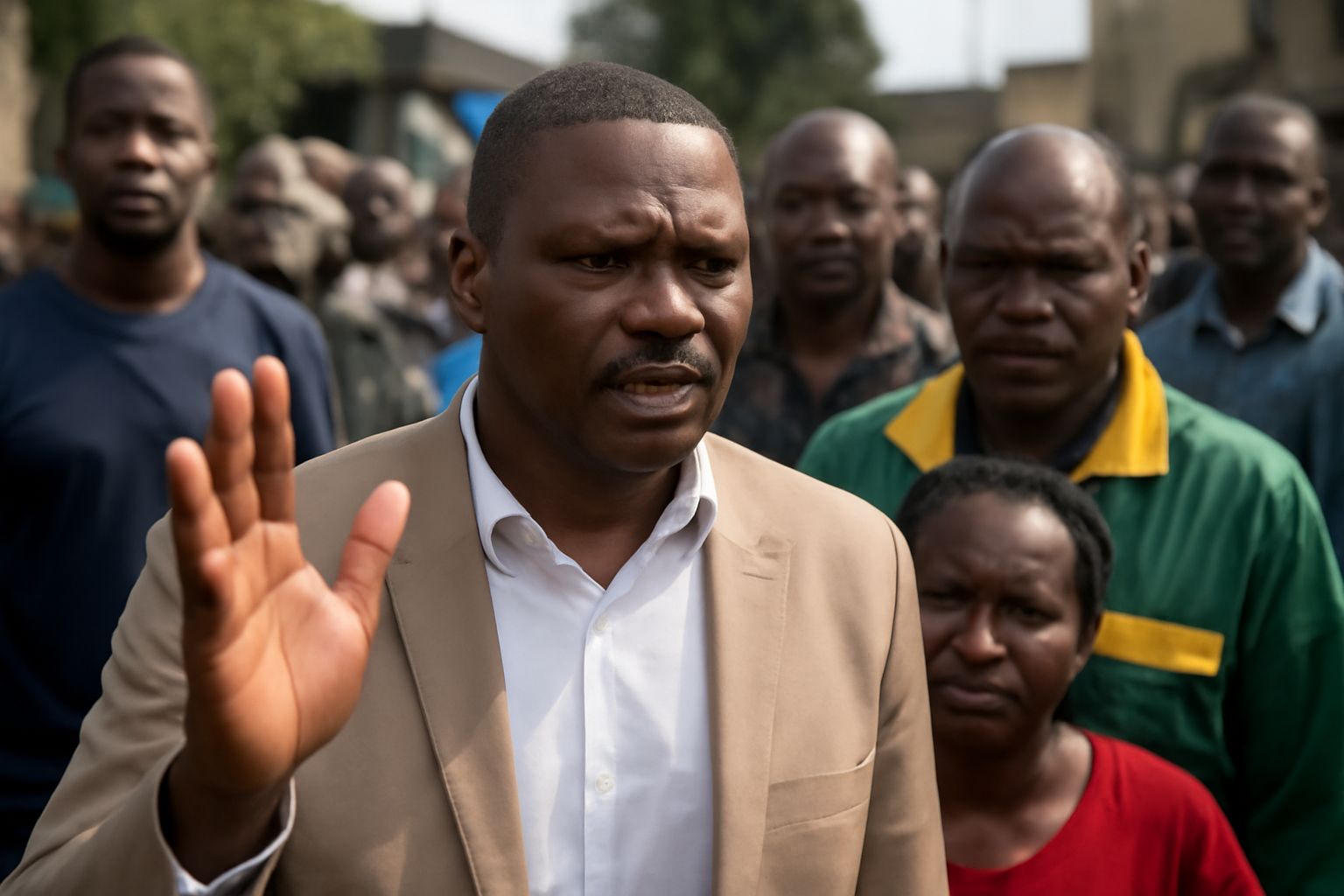
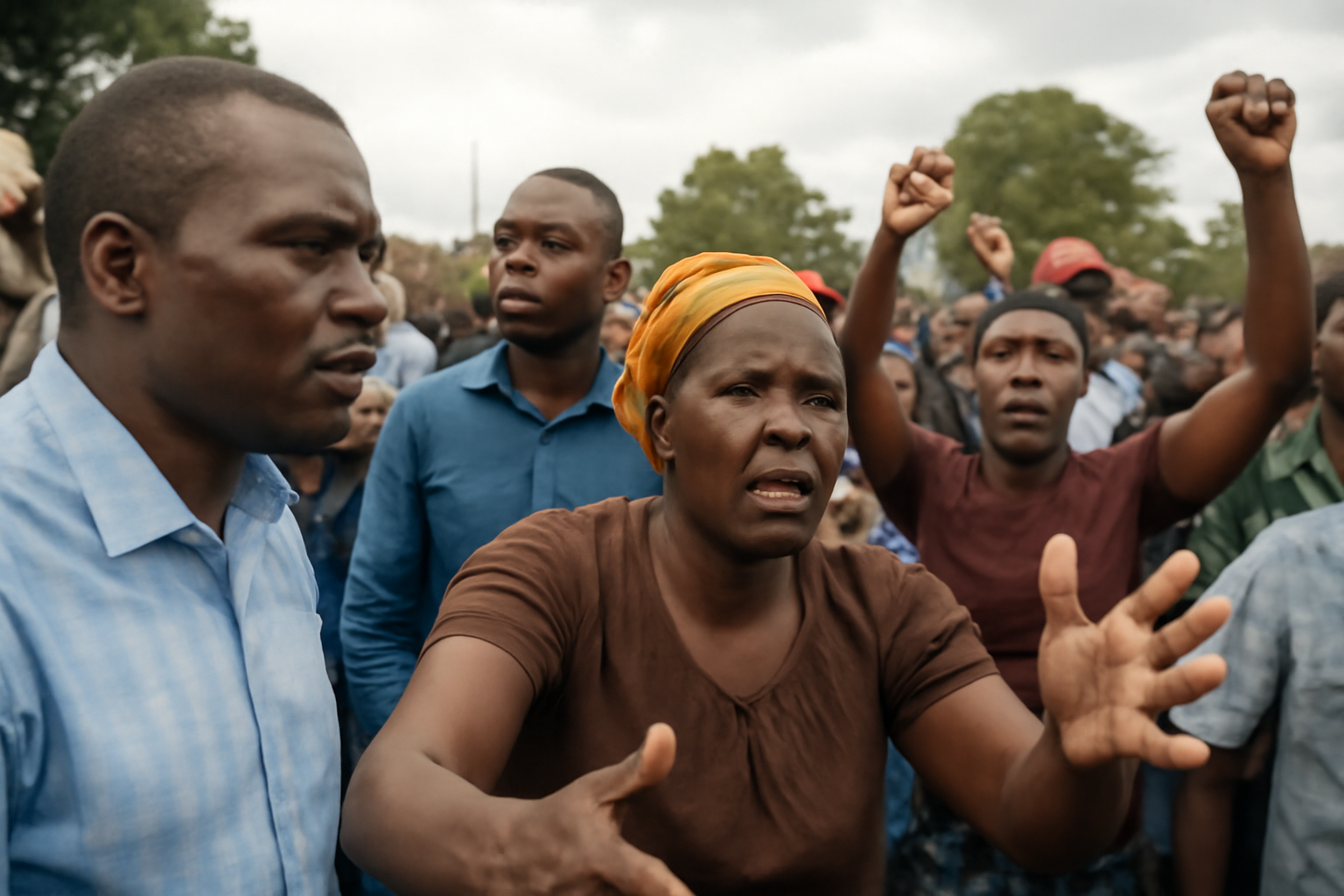
A shift in public rhetoric during recent political rallies in Homa Bay has turned the spotlight onto county accountability, challenging traditional political claims of national marginalisation.
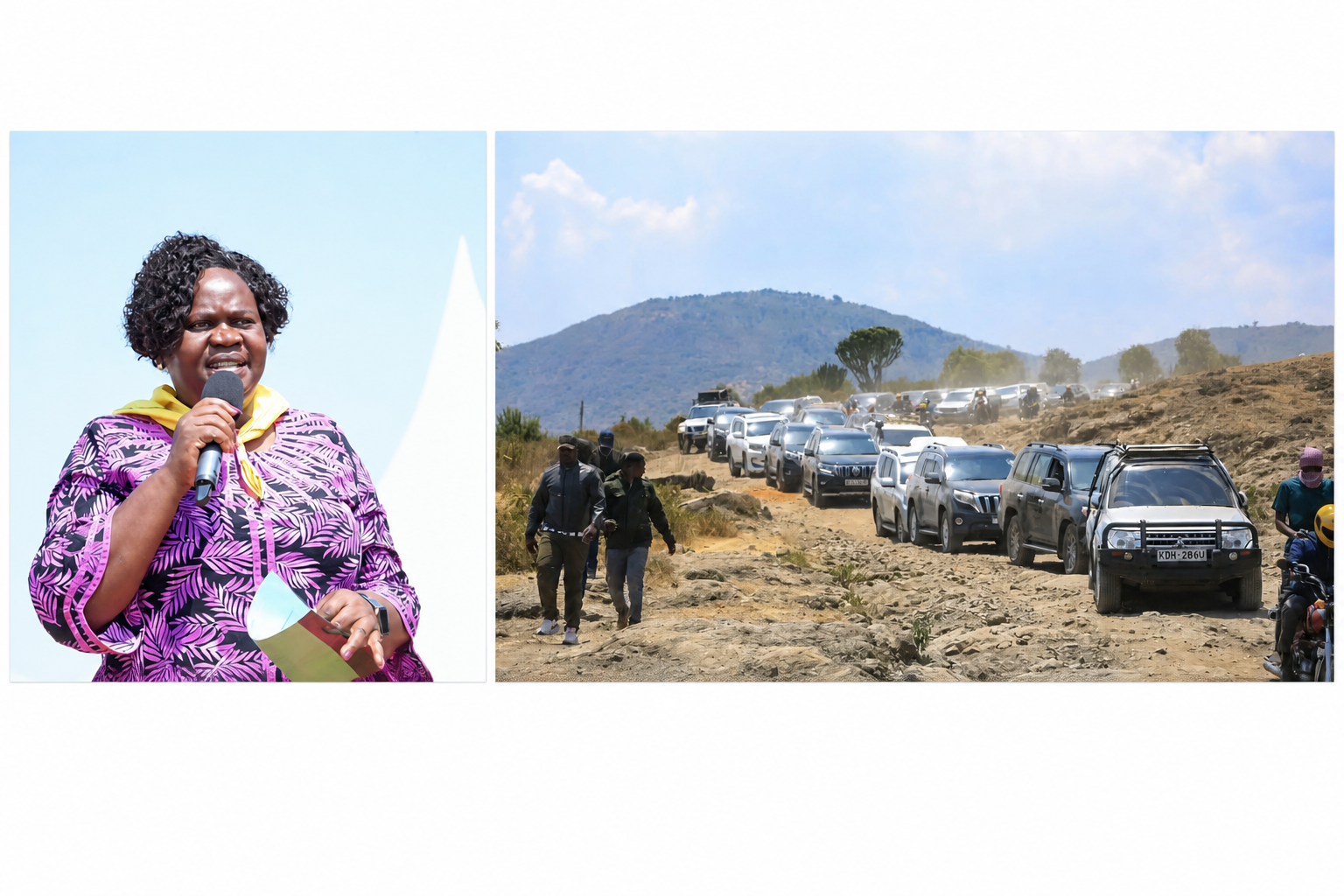
Gladys Wanga. Comment on dusty Homa Bay roads · Gladys Wanga / Facebook
Local accountability has emerged as a central flashpoint in Nyanza politics following political gatherings that focused attention on internal county governance rather than national marginalisation.
The Linda Mwananchi Rally brought infrastructure deficits, healthcare gaps and resource management into sharp focus across Homa Bay County. Political actors and civil society groups used the forum to question how devolved funds are deployed, creating a rare public debate around local executive responsibility in the region.
Historically, political leaders in the region attributed sluggish economic development to historical neglect by the national government. However, recent public engagements indicate a shift in public sentiment, with residents and activists increasingly scrutinising county management for basic service delivery failures.
What Triggered The Debate?
According to a public statement posted on X by Homa Bay Governor Gladys Wanga, local leaders maintain that county administrations are working to expand services despite systemic fiscal constraints. In the statement on X, Wanga addressed political developments, asserting that elected officials remain focused on delivering development projects and serving the electorate.
Despite official assurances, regional political analysts note that the Linda Mwananchi platform amplified growing discontent over stalled infrastructure projects and inadequate public amenities. The gathering drew attention to the disparity between disbursed county revenues and visible development on the ground.
By framing public grievances around county budget execution rather than national funding allocations, the event challenged long-standing political strategies that relied on external blame.
Why It Matters
The shift toward internal scrutiny represents a changing political dynamic within county governance structures. For decades, elected representatives relied on the narrative of national marginalisation to explain local economic stagnation and infrastructure deficits.
The focus on local leadership performance forces county executives to defend their budgetary choices, procurement processes and project completion rates directly to the electorate. Observers note that this focus could alter campaign strategies ahead of future electoral cycles.
This development also highlights broader questions regarding the effectiveness of devolution in address poverty and service delivery. While counties receive annual revenue allocations from the national treasury, public frustration persists over access to clean water, operational health facilities and motorable roads.
What Happens Next?
County officials face increasing pressure to demonstrate clear outcomes from local revenue expenditure and devolved treasury funds. Civil society groups and political opponents are expected to step up oversight of county assembly proceedings and executive project launches.
As political alignment in the region continues to evolve, public forums like the Linda Mwananchi Rally are likely to serve as catalysts for heightened local accountability across similar devolved units. The national government and oversight bodies, including the Auditor General, remain key actors in auditing how local resource allocations match developmental outcomes on the ground.