Sweltering Nights Force Kenyans to Ditch Mosquito Nets, Threatening Malaria Gains
As climate change pushes evening temperatures higher, families across Kenya are abandoning bed nets to cope with sweltering heat—opening a fresh front in the fight against malaria.
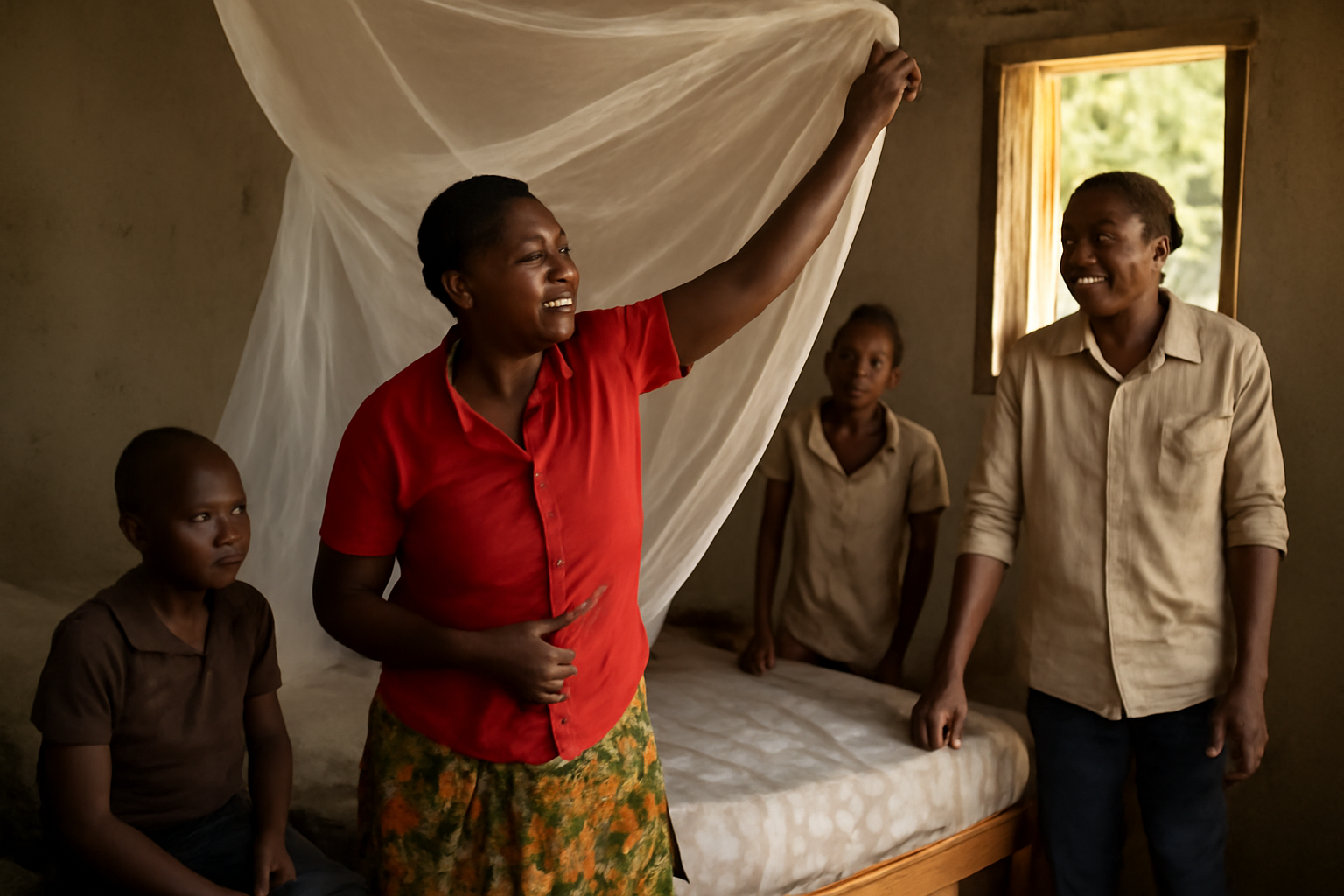
Rising nighttime temperatures across Kenya are driving households to abandon insecticidal mosquito nets, disrupting the country’s primary defence against malaria, according to reporting by The Star.
As warmer conditions make sleeping under polyester bed nets uncomfortable, families in affected regions are choosing to sleep without protection or move outdoors during peak mosquito biting hours. The shift highlights how changing climate patterns are creating unintended public health risks by undermining established disease control measures.
Health officials rely heavily on long-lasting insecticidal nets as a low-cost, effective shield against malaria-carrying Anopheles mosquitoes. However, as evening heat levels remain elevated, compliance with net usage has dropped significantly in several vulnerable communities.
The Heat Dilemma in Household Prevention
According to The Star, higher ambient temperatures during the night make the enclosed space beneath a fine-mesh mosquito net uncomfortably hot for residents. Polyester and polyethylene netting, designed to trap insects and retain chemical insecticides, also restrict air circulation.
When indoor temperatures stay high well after sunset, sleeping under nets becomes intolerable for many families, forcing them to weigh the immediate discomfort of heat against the delayed risk of malaria infection.
The problem is particularly acute in low-income households without access to electric fans, air conditioning, or well-ventilated housing. In many cases, community members report abandoning nets entirely or tucking them away during warmer months, leaving adults and children exposed during the hours when malaria vectors are most active.
How Rising Temperatures Shift Mosquito Behaviour
The trend coincides with broader environmental changes impacting vector biology. Warmer weather accelerates the life cycle of mosquitoes, allowing them to reproduce faster and shortening the incubation period of the Plasmodium parasite inside the insect.
According to health and climate research highlighted by The Star, shifting climate dynamics are also expanding mosquito habitats into higher altitude areas that were historically too cool for sustained transmission. When higher temperatures combine with reduced net usage, transmission rates can rise rapidly.
When residents abandon bed nets, they remove the primary barrier that prevents mosquitoes from feeding on human host blood. Furthermore, early evening heat drives people to spend more time outdoors, increasing exposed skin contact during periods when mosquitoes begin hunting.
Economic and Public Health Burden
Malaria remains a major public health challenge in Kenya, placing a heavy financial strain on health systems and family budgets. Treating an episode of malaria can cost household funds directly through clinic fees and medication, while indirectly causing lost income from missed work or school days.
International donors and the Kenyan government spend millions of dollars annually to distribute free or subsidised insecticide-treated nets. A standard mass distribution drive costs millions of dollars—or hundreds of millions of Kenya Shillings—to cover vulnerable populations. For instance, national health initiatives often deploy funding packages worth over $10 million (approx. KSh 1.29 billion) to supply millions of bed nets across high-risk counties.
When warmer weather prevents residents from using these nets, the return on investment for these large-scale public health campaigns diminishes, leaving communities vulnerable despite high distribution coverage figures.
What Happens Next
Public health experts and vector control specialists are faced with the challenge of adapting prevention strategies to account for shifting weather patterns.
Health agencies are evaluating alternative interventions, such as indoor residual spraying, outdoor vector trapping, and the development of more breathable, novel-fabric nets designed for warmer climates. Until new solutions or enhanced housing ventilation become widely accessible, health workers face the ongoing task of encouraging net compliance even as nighttime heat continues to rise.