What the record shows about Mudavadi's Western Kenya roadmap — and where key details remain unconfirmed
Prime Cabinet Secretary Musalia Mudavadi has urged Western Kenya to back President William Ruto through 2032, but critical gaps remain between public declarations and formal political agreements.
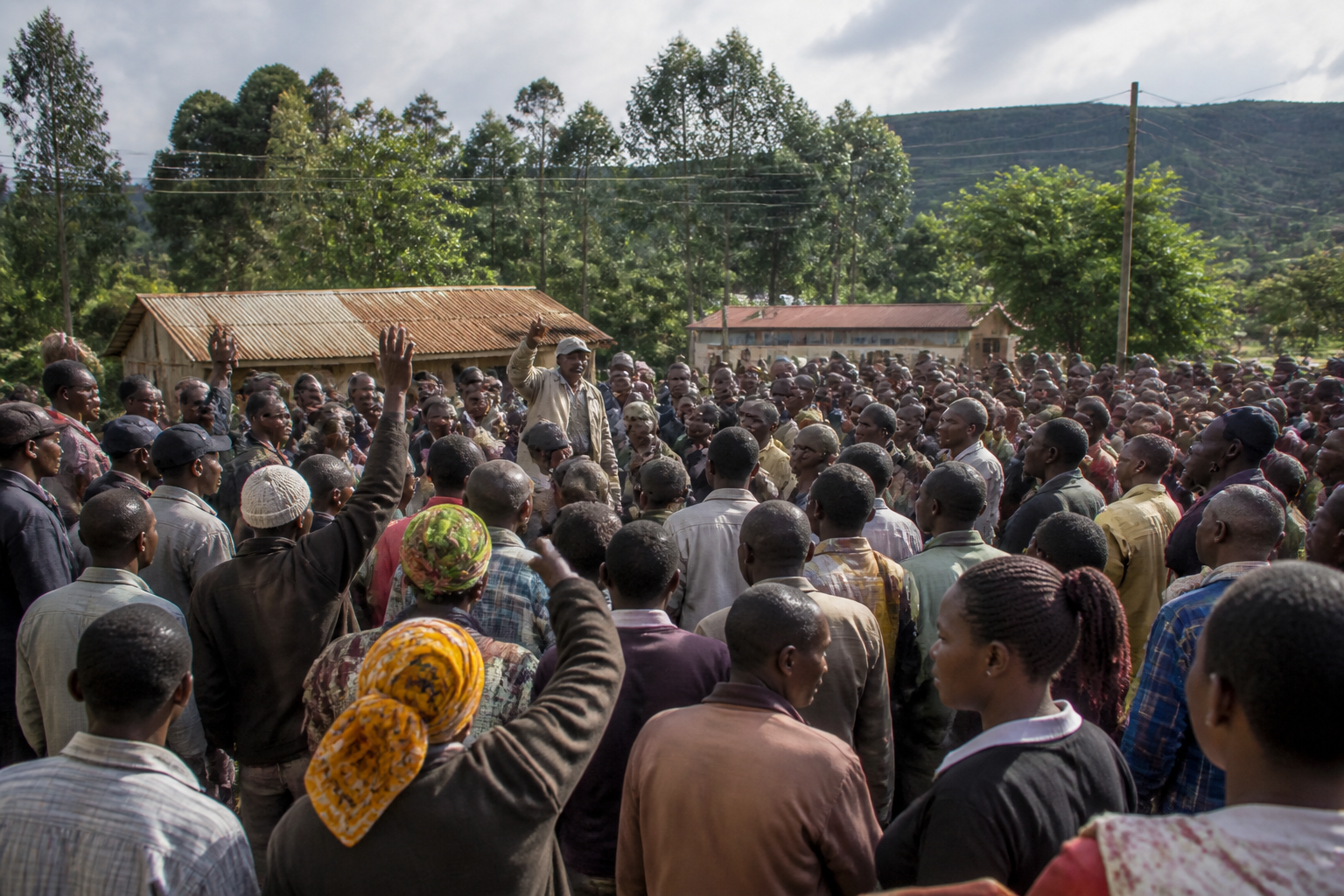
Prime Cabinet Secretary Musalia Mudavadi has outlined a long-term political strategy for Western Kenya, urging the region to align itself with the ruling coalition to secure the presidency after President William Ruto completes a potential second term in 2032.
The strategy relies on a multi-step timeline: consolidated regional support for President Ruto in the 2027 general election, followed by a negotiated transition that positions Western Kenya leaders at the centre of power when constitutional term limits force a change of state leadership. However, public disclosures leave significant gaps regarding political mechanics, constitutional realities, and regional realignments.
An analysis of the record reveals what is established regarding Mudavadi's strategy, alongside the critical details that remain unconfirmed, according to reporting by The Star.
What the record confirms: The 2032 timeline and coalition math
Under Article 142 of the Constitution of Kenya, a president serves a maximum of two five-year terms. If President Ruto wins re-election in 2027, his final term will end in 2032. Mudavadi's public statements explicitly target this 2032 threshold, positioning the Luhya community to mount a single presidential succession bid.
The strategy assumes that remaining in government yields greater political leverage than opposition politics. By delivering a unified vote block for the ruling Kenya Kwanza coalition in 2027, Western Kenya aims to claim the primary endorsement of the broader coalition when President Ruto steps down.
To achieve this, Mudavadi has called for the dissolution or strategic unity of local political parties within the region to prevent vote fragmentation, which historically split the Western Kenya electorate across rival presidential candidates.
What remains unknown: Leadership succession and party mechanics
Despite the public roadmap, several structural details remain unannounced:
- The designation of a successor: Mudavadi has not publicly specified whether he intends to be the sole presidential candidate for the region in 2032 or if a formal competitive process will determine the regional flagbearer.
- Coalition agreements: There is no public formal written agreement within the Kenya Kwanza coalition guaranteeing the 2032 presidential ticket to Western Kenya, leaving any prospective endorsement reliant on political goodwill rather than enforceable instruments.
- Competing regional claims: The roadmap does not address potential succession claims from other key voting blocs within the ruling coalition, such as the Mount Kenya region, which historically yields significant electoral influence.
- Opposition dynamics: The framework assumes Western Kenya will vote as a single bloc, yet opposition figures retain considerable support across Kakamega, Vihiga, Bungoma, and Busia counties, creating an unverified variable in voter turnout projections.
The strategic stakes for Western Kenya
Political realignments in Kenya frequently depend on coalition building and early power-sharing negotiations. By setting a 2032 target, Mudavadi attempts to manage regional expectations while cementing Western Kenya's current role within the national executive.
What happens next depends on the formal political structures established before the 2027 general election. Observers will monitor whether local parties formally merge into a single entity and whether formal power-sharing protocols are deposited with the Registrar of Political Parties to institutionalise the 2032 agreement.