Containing Ebola: The Mechanics of Outbreak Response in the DRC
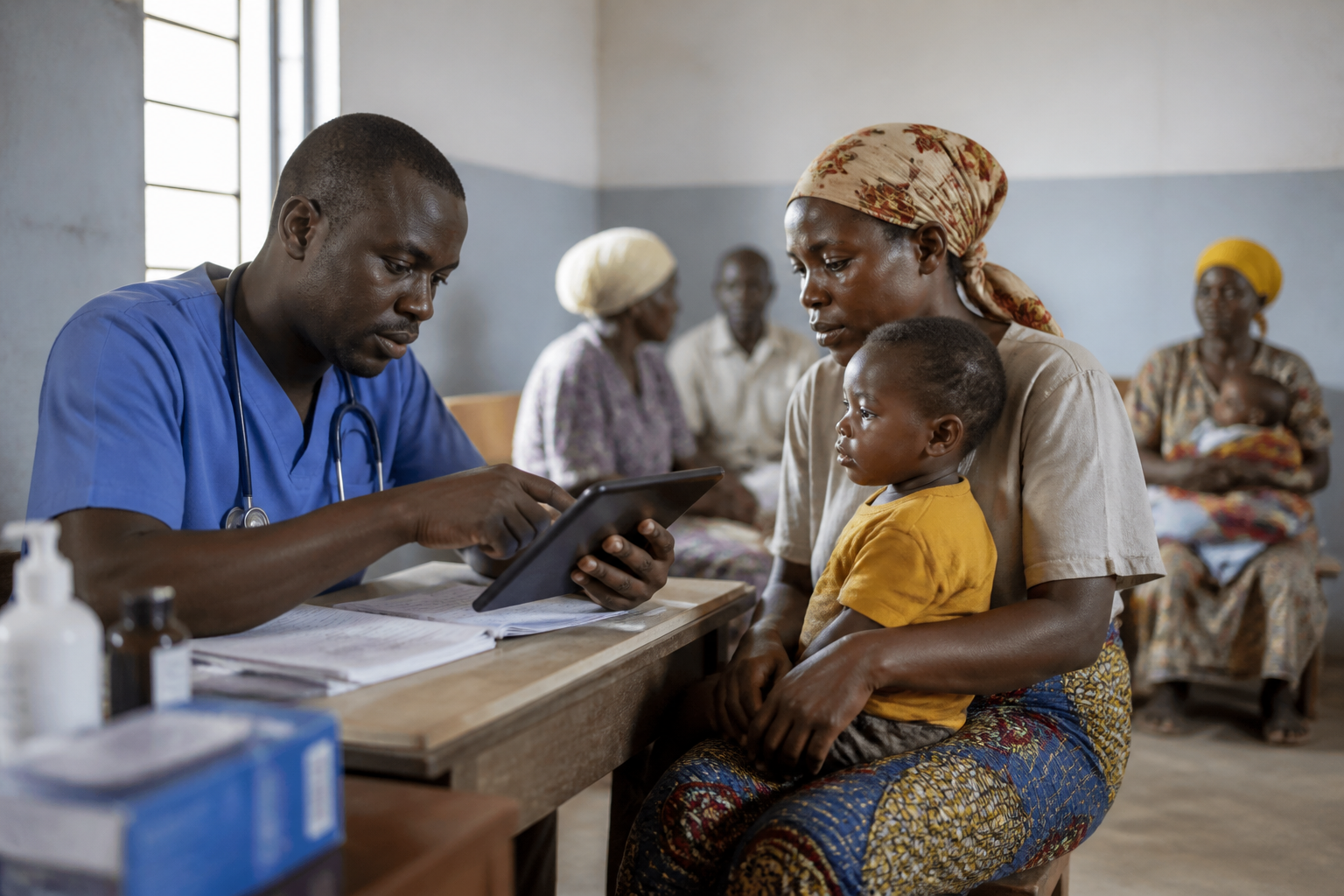
Managing viral threats in the Democratic Republic of the Congo relies on rapid case identification, contact tracing, and ring vaccination protocols established through decades of epidemic response.
Managing public health emergencies in the Democratic Republic of the Congo relies on standard epidemiological containment frameworks designed to halt the transmission of dangerous pathogens like the Ebola virus. According to public health protocols documented by international health agencies including the World Health Organization, responding to viral threats in the region requires rapid case identification, contact tracing, strict infection prevention, and coordinated community engagement.
The operational architecture deployed during health emergencies in the country is structured to react swiftly to localized infection clusters. When cases are suspected, field epidemiology teams are dispatched to verify transmission chains, isolate patients in specialized containment units, and deploy experimental or approved therapeutics and vaccines where appropriate.
Despite persistent logistical hurdles and geographic challenges across the vast nation, public health authorities rely on robust surveillance networks established during prior health crises. These mechanisms aim to prevent localized sporadic spillover events from expanding into widespread regional or international epidemics.
Surveillance and Contact Tracing Mechanisms
The initial phase of any viral containment effort in the region depends on active early warning systems. Local health workers and community reporters are trained to detect clinical symptoms associated with viral hemorrhagic fevers, such as high fever, unexplained bleeding, and severe gastrointestinal distress, according to health guidance outlined by public agencies on bbc.com.
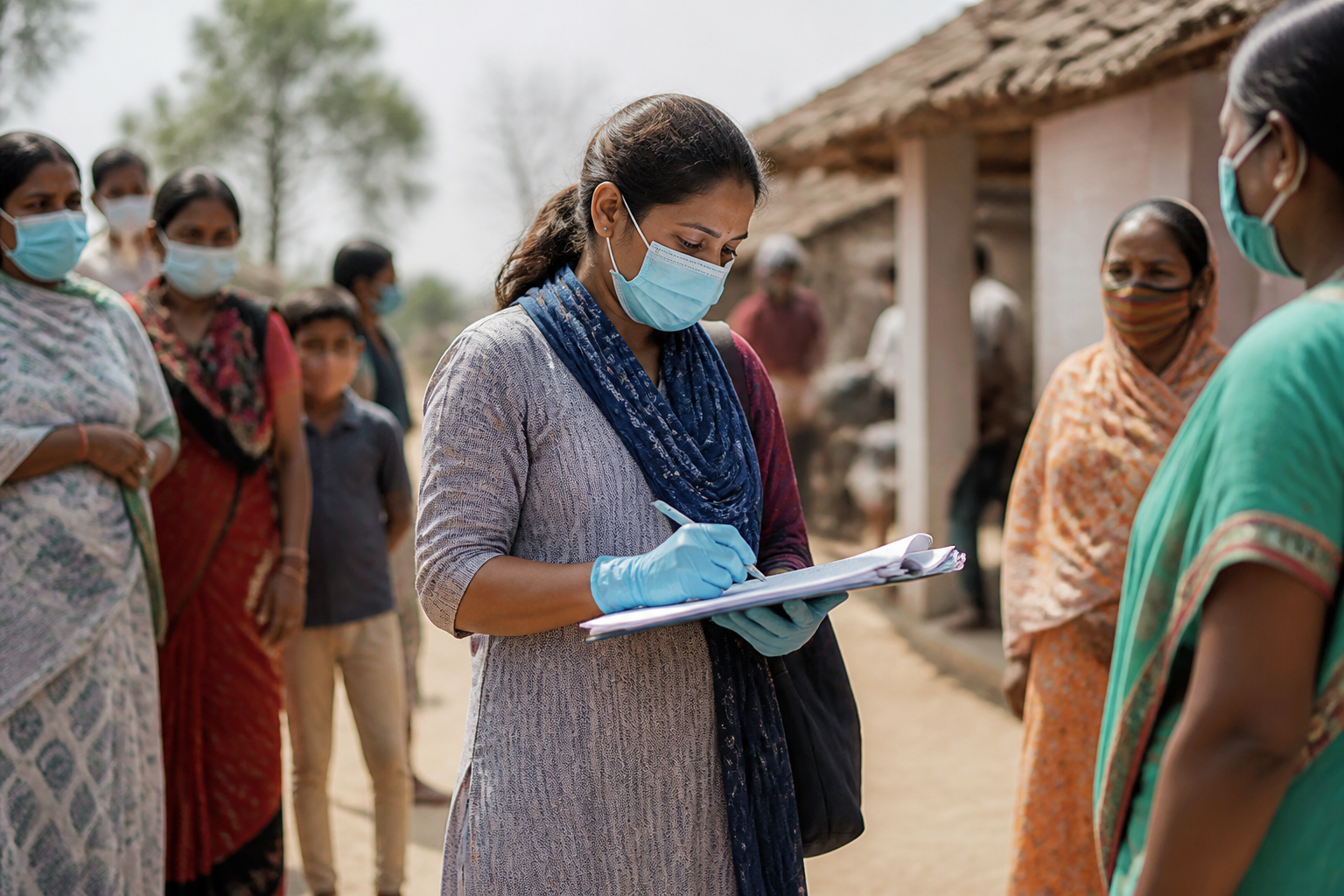
Once an outbreak is verified, contact tracing becomes the primary intervention to break transmission chains. Epidemiologists trace every individual who has come into direct contact with an infected person during the contagious period. Contacts are monitored daily for 21 days—the maximum incubation period for the Ebola virus—to ensure immediate isolation if symptoms develop.
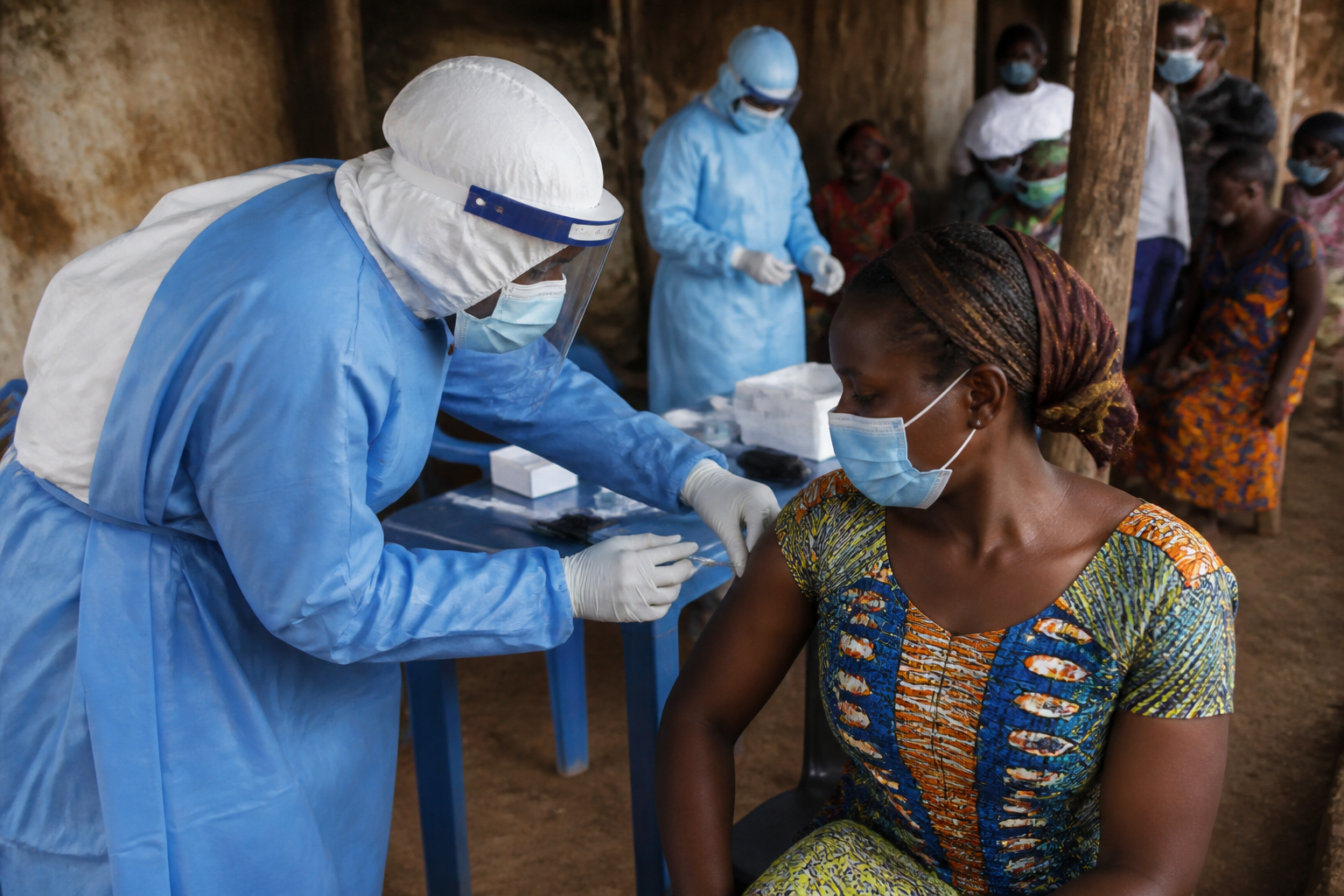
Vaccination strategies, including ring vaccination, play a vital role in modern containment protocols. Under the ring vaccination approach, health authorities administer vaccines to the primary contacts of confirmed patients, as well as secondary contacts and frontline healthcare workers, creating a protective buffer of immunity around known cases.
Community Engagement and Logistics
Logistical execution remains one of the most complex aspects of outbreak response in the Democratic Republic of the Congo. Transporting laboratory samples, personal protective equipment (PPE), and cold-chain storage for sensitive vaccines across remote provinces requires extensive humanitarian logistics infrastructure.
Specialized Treatment Centres (ETCs) are established near outbreak epicentres to ensure safe medical care while mitigating the risk of nosocomial transmission. These facilities employ strict infection prevention and control (IPC) protocols, separating clean zones from high-risk diagnostic and treatment areas to safeguard clinical staff.
Community trust is equally critical to epidemiological success. Public health agencies work alongside local leaders, faith organizations, and community figures to address vaccine hesitancy, communicate safe burial practices, and encourage early self-reporting. Safe and dignified burial protocols ensure that deceased patients, who carry high viral loads, are handled without traditional practices that involve direct bodily contact.
What Happens Next
International health partners, including global response networks and non-governmental organizations, continue to monitor baseline epidemiological data in the region. Public health authorities will maintain active surveillance across high-risk provinces to rapidly detect potential re-emerging cases and reinforce local laboratory capacities for real-time diagnostic testing.