Cycles of Unrest: Mapping the Pattern of Kenyan Pre-Election Rhetoric
As political rhetoric heats up ahead of the 2027 elections, Kenya faces familiar warnings of pre-election violence. Examining the administrative mechanisms used to break the cycle.
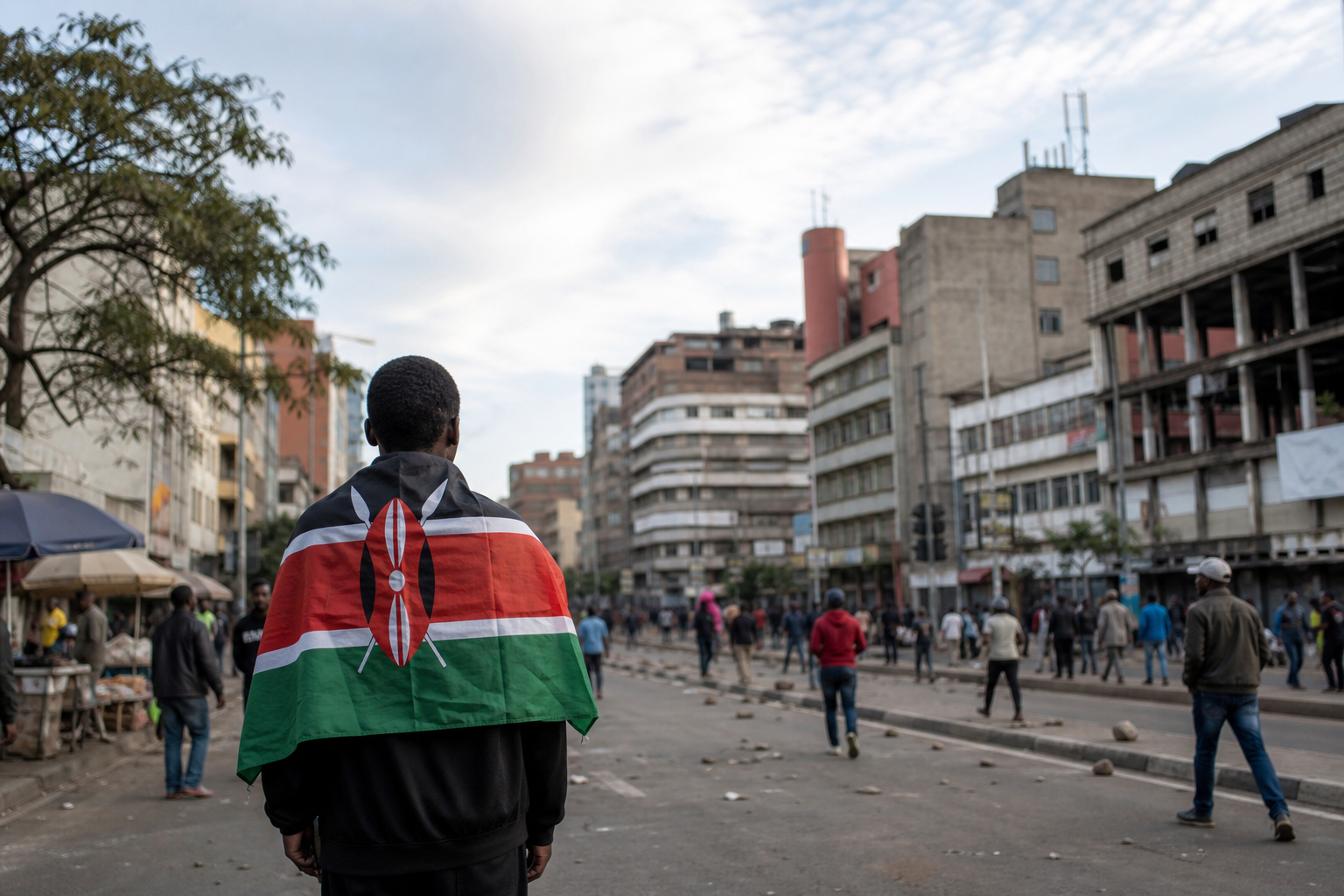
Kenya's political calendar has long been shadowed by a predictable, destructive pattern: early campaign mobilisation, escalating inflammatory rhetoric, and localized acts of political violence that flare up years before voters actually cast their ballots.
As early posturing for the 2027 General Election gathers momentum, state authorities and oversight bodies are facing renewed pressure to deploy administrative levers to halt the drift into pre-election volatility. Former Deputy Chief of Staff in the Executive Office of the President Eliud Owalo spoke out publicly against the rising tensions, according to reporting by The Star, urging political actors to abandon violence and provocative language.
The warning comes as opposition figures and civil society groups react to recent clashes, raising concerns over political intolerance. Reports from The Star indicate that elements within the opposition have begun calling for International Criminal Court (ICC) intervention, alleging state inaction over political goonism.
What Drives the Cycle?
Kenya’s history shows that pre-election violence rarely happens spontaneously. Instead, it is frequently the product of calculated political mobilization designed to consolidate regional voter bases, intimidate opponents, and test state enforcement boundaries.
From the electoral crises of 1992 and 1997 to the widespread post-election violence of 2007–2008 and subsequent legal battles at The Hague, early rhetoric has consistently served as an indicator of broader unrest. Political scientists note that when political rallies become venues for hate speech and organized disruption, local community safety quickly deteriorates.
The political system relies heavily on public administration and law enforcement structures to prevent such outbreaks. Key institutions include the National Police Service, the National Cohesion and Integration Commission (NCIC), the Independent Electoral and Boundaries Commission (IEBC), and the Directorate of Criminal Investigations (DCI).
Key Kenyan Administrative Mechanisms
Key institutions responsible for maintaining political stability and preventing election-related violence.
- 1National Police Service
- 2NCICNational Cohesion and Integration Com
- 3IEBCIndependent Electoral and Boundaries
- 4DCIDirectorate of Criminal Investigation
Source: The Star. Chart by M360 News.
How Does the State Intervene?
To contain political instability before election cycles reach a breaking point, administrative mechanisms must be triggered proactively rather than reactively.
- NCIC Monitoring and Prosecutions: The NCIC is statutorily mandated to investigate hate speech and ethnic incitement. It relies on monitoring political gatherings and recommending charges to the Office of the Director of Public Prosecutions (ODPP).
- Public Order Enforcement: Under the Public Order Act, local security committees regulate public gatherings, balancing freedom of assembly against security risks.
- Electoral Code Enforcement: The IEBC holds the legal mandate to penalise politicians who deploy illegal violence or breach the Code of Conduct during official campaign periods.
- Inter-Agency Security Coordination: Regional and county commissioners direct multi-agency security operations aimed at dismantling political gangs and securing vulnerable zones.
However, legal experts and civil society groups frequently point out that administrative tools often suffer from selective enforcement, institutional delays, and a lack of independence from incumbent political interests.
What Comes Next?
With public petitions and political figures raising alarms, the primary concern turns to whether regulatory institutions can maintain stability without infringing on constitutional freedoms.
Opposition calls for international tribunal oversight highlight deep mistrust in domestic enforcement mechanisms. When local administrative enforcement is seen as weak or partisan, political actors look to external bodies like the ICC to create deterrence.
The government faces the challenge of ensuring administrative levers, such as NCIC monitoring and police intelligence, are applied impartially. Whether state security agencies can curb early election violence will determine whether Kenya breaks its historical cycle of political volatility ahead of 2027.