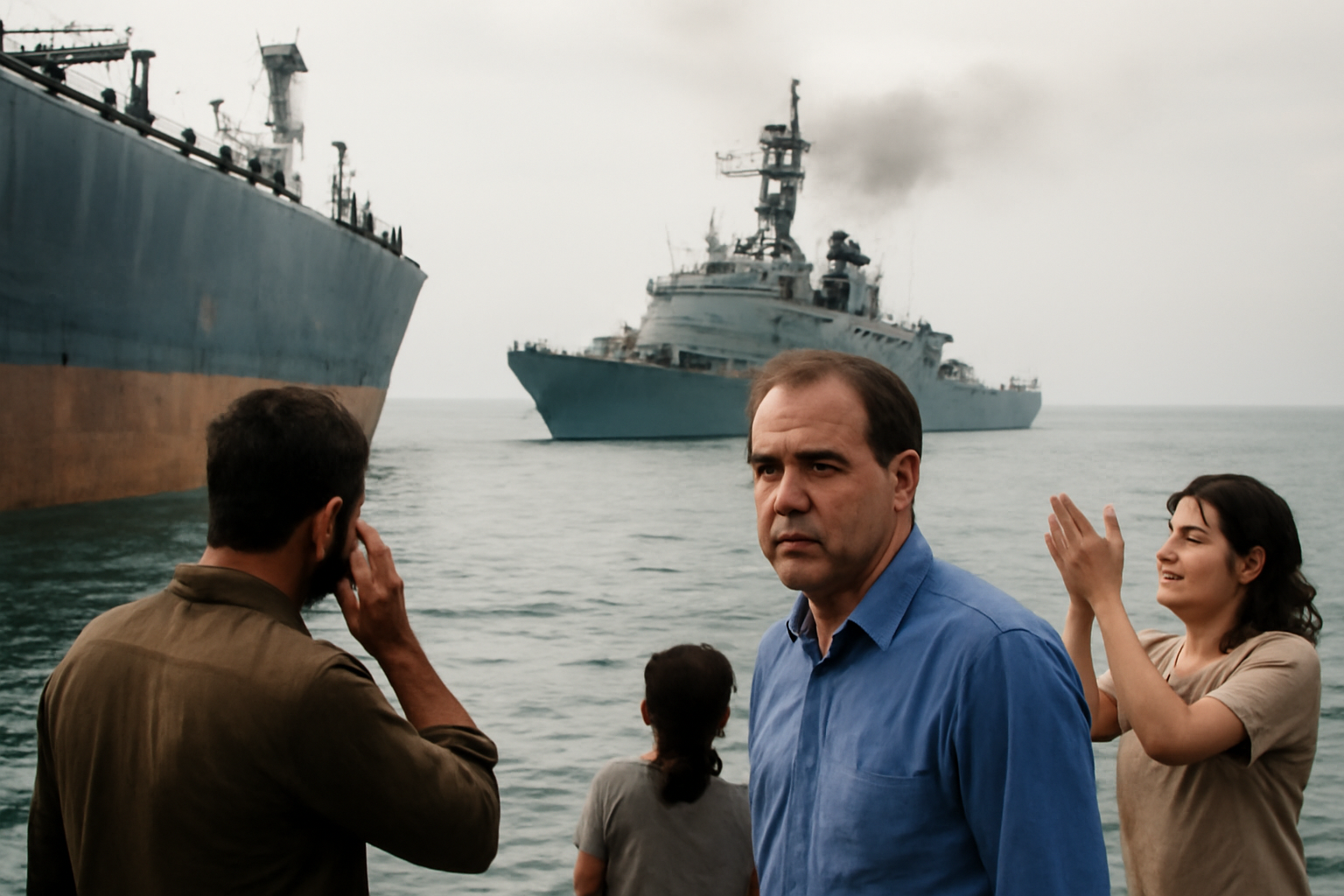
Energy Security and Global Supply Chains Exposed to Strait of Hormuz Vulnerabilities
As a vital maritime choke point carrying one-fifth of global oil consumption, the Strait of Hormuz remains a central friction point for international energy markets and shipping security.
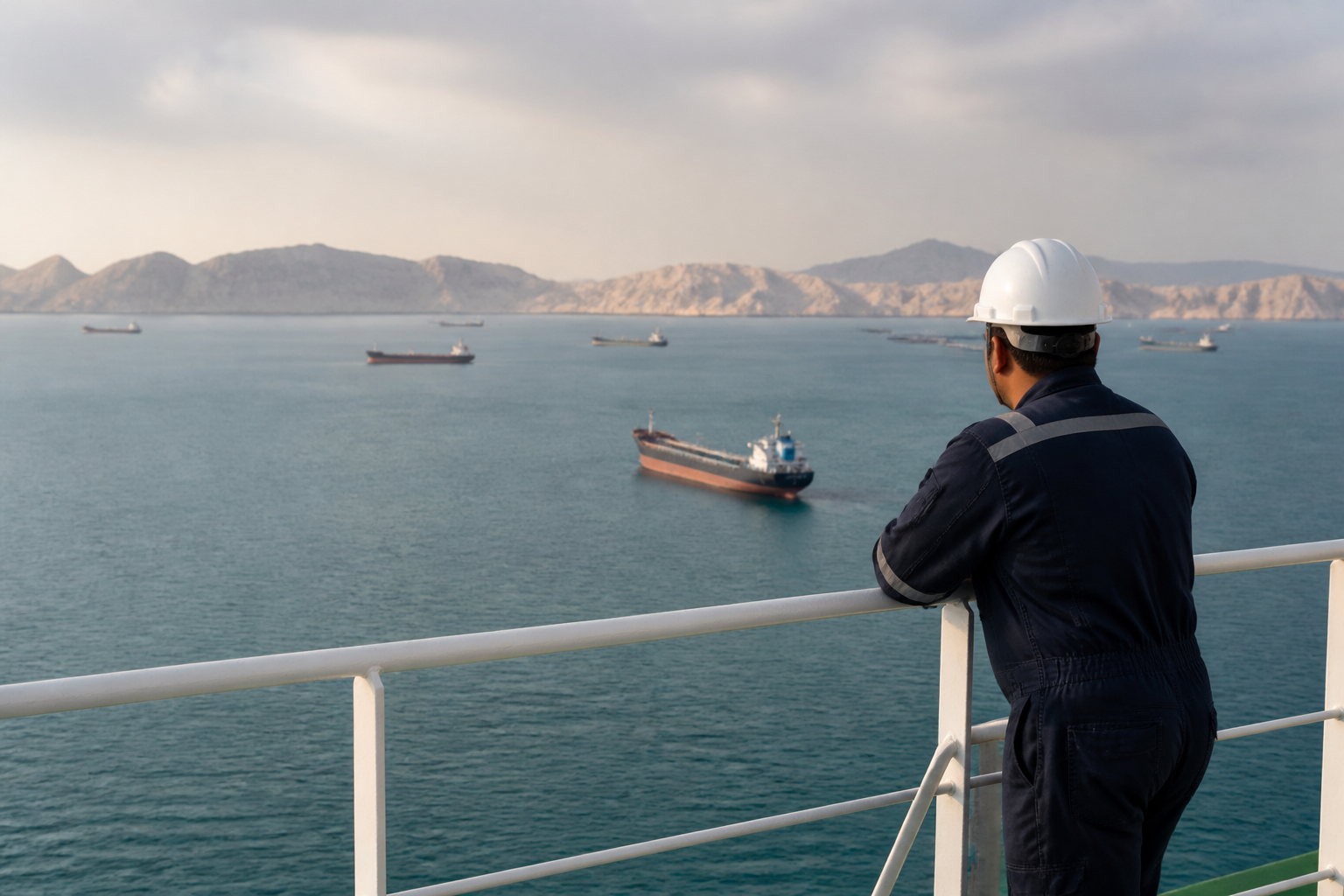
The strategic vulnerability of the Strait of Hormuz remains a primary pressure point for global energy markets, international maritime trade, and regional stability in the Middle East. Situated between Oman and Iran, the narrow waterway links the Persian Gulf to the Gulf of Oman and the Arabian Sea, serving as the sole maritime transit route for vast petroleum exports from the Gulf region.
A disruption to traffic passing through the channel threatens to immediately choke off global crude oil supplies, inflate shipping insurance costs, and inflict severe price shocks on energy-importing economies worldwide. Global supply chains and regional economies remain highly exposed to the operational status of the chokepoint, where geopolitics and commercial trade intersect.
The Chokepoint of Global Oil Markets
The Strait of Hormuz measures just 21 miles (34 kilometres) wide at its narrowest point, with shipping lanes in both directions restricted to two miles wide, according to analysis published by DW. Despite these geographic constraints, the waterway carries approximately one-fifth of the world's total petroleum consumption, making it the most critical oil transit chokepoint globally.
Major Gulf energy producers, including Saudi Arabia, the United Arab Emirates, Kuwait, Iraq, and Qatar, rely heavily on the route to export crude oil, condensate, and liquefied natural gas (LNG) to international customers. The vast majority of these energy exports are destined for major Asian markets, particularly China, India, Japan, and South Korea, leaving Asian manufacturing hubs especially vulnerable to maritime blockades or military conflict in the corridor.
Alternative export routes remain limited in capacity. While Saudi Arabia and the United Arab Emirates operate pipelines that bypass the strait to access the Red Sea and the Gulf of Oman respectively, these pipelines cannot handle the full volume of crude currently exported through the waterway, leaving global markets largely dependent on uninterrupted passage through Hormuz.
Shipping Risks, Insurance and Economic Fallout
Commercial shipping through the waterway relies on international maritime laws governing transit passage, but heightened military tensions frequently drive up operational costs. Insurance underwriters routinely declare the Persian Gulf and surrounding waters a high-risk area during periods of friction, prompting steep war-risk premiums for tanker owners and cargo operators.
Surging transit costs quickly translate into broader economic pressure, as higher freight and energy costs ripple through international manufacturing, aviation, and agricultural supply chains. A sustained closure of the strait would likely trigger sharp price spikes in global crude benchmarks, compounding inflationary pressures in emerging and developed markets alike.
For regional economies, the stakes extend beyond oil exports to essential imports. Middle Eastern states depend on the shipping lanes for containerised goods, food supplies, and industrial machinery, meaning prolonged shipping delays or military incidents directly threaten domestic market stability and regional commerce.
Geopolitical Stakes and What Happens Next
Control over and access to the Strait of Hormuz has long served as strategic leverage for regional and global powers. Iran's territorial proximity and military assets along the northern coastline afford Tehran the ability to monitor and potentially interfere with commercial traffic, a leverage point frequently cited during international diplomatic disputes.
Conversely, global military powers, led by the United States and international maritime coalitions, maintain a heavy naval presence in the region to enforce freedom of navigation and secure open sea lines of communication. Legal disputes over maritime jurisdiction and sovereign claims over regional waterways continue to fuel political rhetoric and military posturing, as documented by DW.
What happens next depends on the stability of regional security arrangements and diplomatic efforts to ensure open transit. Market analysts and maritime security observers will closely monitor naval deployments, shipping insurance rates, and diplomatic exchanges in the coming months to assess whether commercial traffic through the world's key energy corridor remains secure.