Follow the Money: How the IEBC Tracks Kenya’s Election Spending
As Kenya prepares for the 2027 General Election, the electoral commission relies on a strict legal framework of campaign accounts, expenditure caps, and mandatory disclosures to oversee political spending.

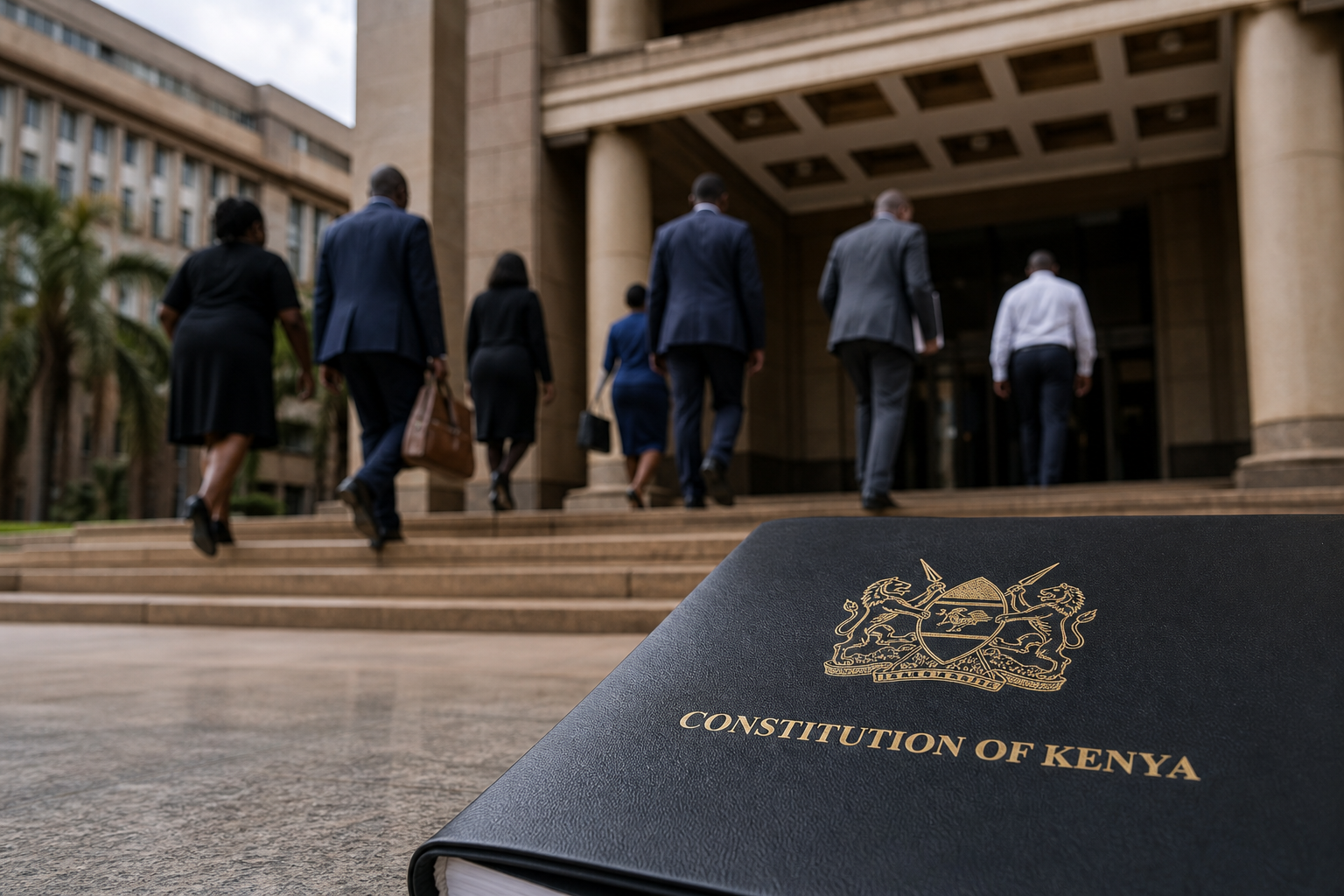
The Independent Electoral and Boundaries Commission (IEBC) faces a complex administrative task as Kenya approaches the 2027 General Election: monitoring campaign spending across thousands of elective seats. Under Kenya's legal framework, political finance oversight is intended to level the electoral playing field and prevent the misuse of public and private funds during campaigns.
Gazetting the official election period triggers specific legal mechanisms that govern how political parties and individual aspirants raise, manage, and report campaign funds. While political attention often focuses on rallies and candidate nominations, the administrative architecture behind political finance operates under strict statutory timelines and reporting requirements.
The oversight framework relies on statutory caps, designated campaign bank accounts, and mandatory disclosure requirements to track every shilling spent in the lead-up to polling day.
How Spending Is Monitored
The administrative tracking of campaign finance begins with the formal registration of candidate bank accounts. Under electoral regulations, candidates and political parties are required to open specific campaign financing accounts managed by authorized expenditure committees.
These committees are tasked with keeping detailed records of all contributions, including cash donations, in-kind support, and corporate sponsorships. Financial institutions are mandated to flag unusual transactions, aligning political finance tracking with broader anti-money laundering regulations enforced by the Financial Reporting Centre (FRC).
The framework establishes clear caps on contributions and total spending, calibrated according to the elective office sought and the population density of the constituency or county. The IEBC uses these thresholds to establish baseline spending limits, requiring candidates to submit audited financial accounts following the conclusion of campaigns.
What Are the Penalties?
Failure to adhere to the political finance reporting guidelines carries administrative and legal consequences. Aspirants who fail to disclose their funding sources or exceed the statutory spending limits face fines, disqualification from contesting, or prosecution under campaign financing laws.
The IEBC collaborates with the Ethics and Anti-Corruption Commission (EACC) and the Director of Public Prosecutions (DPP) to investigate financial irregularities. Administrative oversight includes:
- Auditing campaign bank accounts before and after the election period.
- Reviewing contribution disclosures to identify illegal foreign donations or public resource misuse.
- Verification of spending reports submitted by political party finance officers.
Enforcing these rules remains a logistically demanding operation, requiring the commission to monitor thousands of candidates contesting seats from the presidential level to county assembly wards.
What Happens Next?
As the electoral calendar advances, the IEBC will issue detailed guidelines on maximum campaign expenditure limits for each elective category. Political parties and aspirants must establish their finance committees and register their campaign accounts within the deadlines set in the gazetted electoral timetable.
The commission is expected to publish gazette notices detailing the specific spending thresholds for counties, constituencies, and wards. Compliance monitoring will run concurrently with the official campaign period, with final financial audits conducted after the declaration of election results.