The Date Is Set: Kenya’s Next General Election Confirmed for August 2027
Kenya's electoral body has confirmed the official date for the 2027 general election, setting off statutory deadlines for political party nominations, voter registration, and campaign operations.
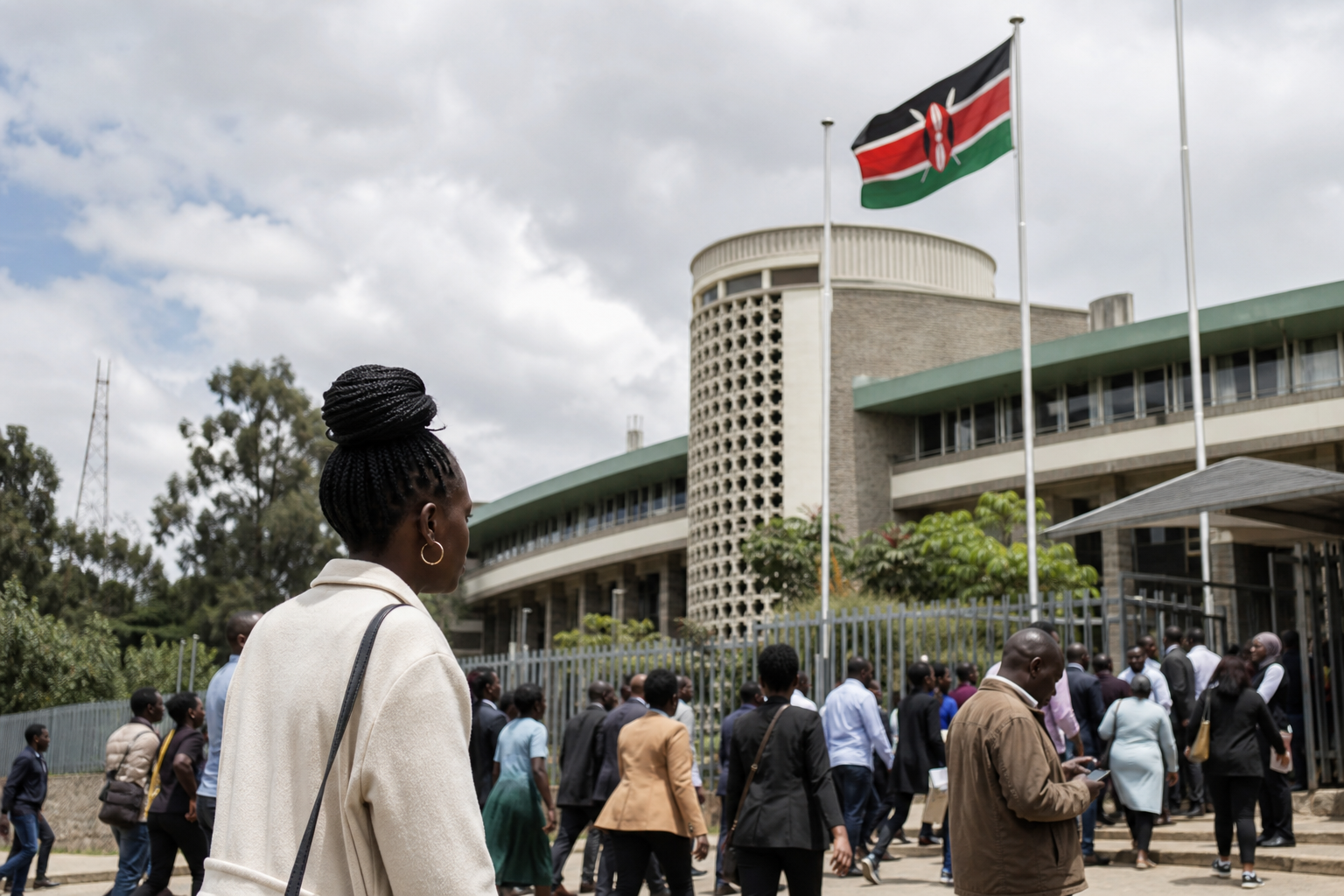
Kenya will hold its next general election on 10 August 2027, the Independent Electoral and Boundaries Commission (IEBC) has confirmed, firing the official starting gun on an election cycle that will shape the country's political landscape for the next five years.
The date complies with Kenya’s 2010 Constitution, which mandates that a general election be held on the second Tuesday of August in every fifth year. Alongside the presidential vote, Kenyans will elect members of parliament, county governors, and members of county assemblies in a massive nationwide exercise expected to draw tens of millions of voters to the polls.
The announcement sets off a strict timeline for political parties, aspirant candidates, and state institutions as the electoral body prepares to manage voters, party primaries, and dispute resolutions across the country.
What Happened?
The electoral body confirmed the August 2027 date as part of its constitutional mandate to prepare for and execute national elections. Under the framework set out by the constitution, the commission is tasked with establishing voter registers, verifying political party compliance, and managing candidate nominations well in advance of polling day.
A central phase of the upcoming timeline involves voter registration. The commission will undertake continuous voter registration alongside targeted national drives aimed at capturing millions of newly eligible young voters. Electoral officials indicate that establishing a clean, audited voter register remains a top priority to ensure credibility.
Political parties must also align their internal processes with statutory deadlines. Parties will be required to submit their official membership registers and candidate nomination rules within set windows, ensuring that primary elections are conducted in accordance with national laws.
Why It Matters
The formal declaration of the election calendar shifts Kenya's political focus from policy debate to campaign organisation. Political formations across the country are already re-aligning, and the setting of explicit statutory deadlines forces coalitions to formalize structures, resolve internal nomination rules, and satisfy regulatory requirements.
Election operational timelines directly influence political stability, investor confidence, and economic planning. By establishing a clear timetable, public and private sector institutions gain predictable parameters for financial and strategic planning over the next three years.
For citizens, the announcement marks the beginning of civil education campaigns and registration drives. The commission faces the task of restoring and maintaining public trust in electoral technology, vote tallying procedures, and dispute resolution mechanisms ahead of the vote.
What Comes Next?
In the coming months, the electoral commission is expected to publish a comprehensive election operational plan detailing specific cut-off dates for candidate clearance, party hopping restrictions, and campaign spending limits.
Parliament is also set to consider key legal adjustments and budgetary allocations to fund electoral operations, security deployments, and legal oversight mechanisms required for a nationwide vote.
As the operational deadlines draw closer, political parties will begin publicizing their schedules for nominations and national conventions, signaling the full onset of the 2027 campaign period.