Frontline Risks: How Systemic Vulnerabilities Strain Central and East Africa's Health Workforce
Inadequate personal protective gear, security threats, and unresolved labor disputes continue to jeopardize healthcare workers across Central and East Africa during public health emergencies.
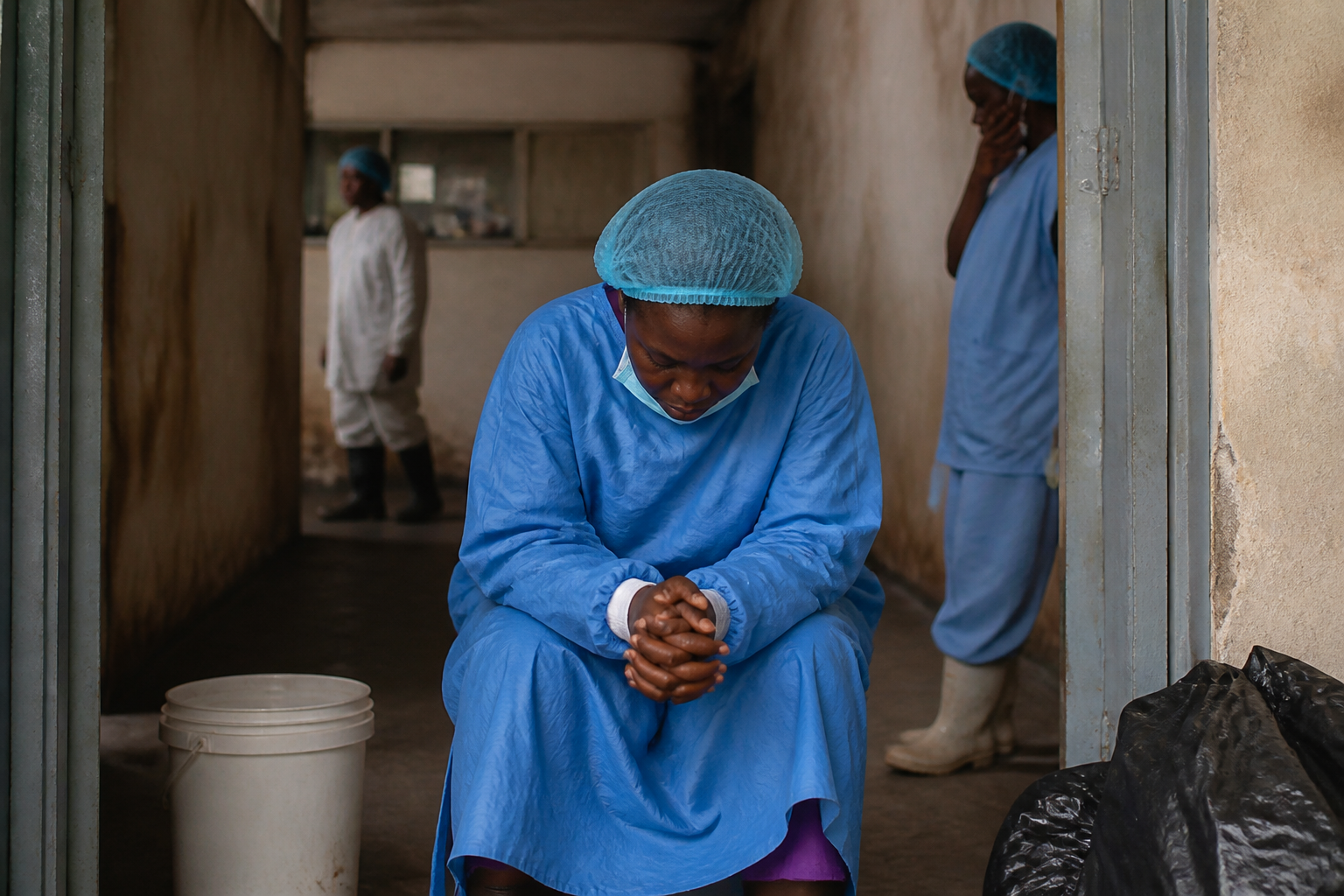
Healthcare personnel across Central and East Africa face severe operational hazards during public health crises, where structural deficits in equipment, inadequate pay, and direct security threats routinely compromise patient care.
In regional responses to viral hemorrhagic fevers and ongoing labor disputes, medical professionals operate within health systems that struggle to provide basic safety guarantees. Operational breakdowns range from acute shortages of personal protective equipment (PPE) during fatal epidemics to systemic industrial action triggered by unfulfilled collective bargaining agreements.
These operational friction points create recurring safety risks for clinical staff, exacerbating attrition and weakening response capacity across regional healthcare networks during emergency outbreaks.
Clinical Safety Deficits and Fatal Epidemic Risks
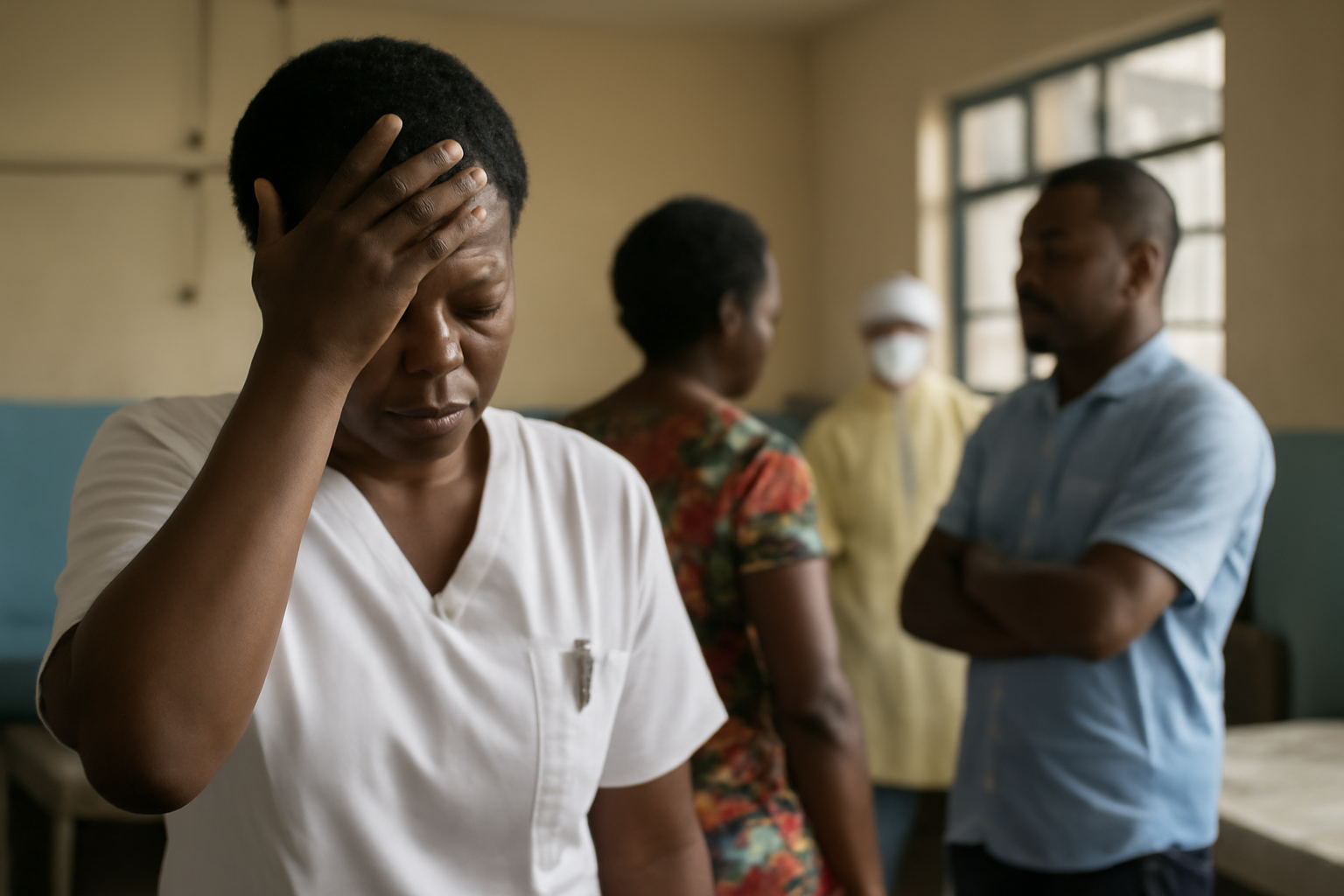
The operational vulnerabilities of frontline medical staff become severe during high-consequence infectious disease outbreaks. According to The EastAfrican, the death of a senior neurosurgeon during an Ebola outbreak in the Democratic Republic of Congo highlighted the extreme hardships and safety deficits endured by local Congolese health workers.
During viral outbreaks, healthcare institutions often lack essential infection prevention supplies and basic bio-containment equipment. Joint assessments by public health bodies emphasize that rapid containment relies heavily on local frontline readiness. The World Health Organization and the Africa CDC have called for urgent, community-led action to contain Ebola transmission in the DRC, citing the need for protected and supported health personnel on the ground.
Safety risks extend beyond clinical transmission to active security threats. According to UN News, health facilities and personnel face systematic violence, recording an attack on healthcare infrastructure or staff every six hours globally, with virtually no perpetrators held accountable. In conflict-affected zones in Central Africa, these security lapses force clinicians to treat highly contagious diseases under threat of physical violence.
Labor Strains and Infrastructure Gaps
In East Africa, operational strain frequently manifests as public-sector labor disruptions driven by disputes over remuneration, staffing ratios, and working environments. According to the Daily Nation, persistent health workers' strikes have left patients stranded at public hospitals, with no immediate resolution in sight as medical unions demand better pay and working conditions.
These industrial actions reflect deep-seated structural gaps within national health budgets. To address these vulnerabilities, public health authorities are attempting to scale up physical and operational capacity. According to the Ministry of Health, the Kenyan government is attempting to accelerate strategic investments in domestic health infrastructure to improve service delivery and stabilize facility operations.
However, resource allocation remains uneven across primary, secondary, and tertiary care facilities, leaving district-level practitioners exposed to inventory shortfalls during sudden patient surges.
| Region / Context | Primary Operational Vulnerability | Reported Systemic Impact |
|---|---|---|
| Central Africa (DRC Outbreaks) | Lack of PPE, bio-containment equipment, security risks | Clinician fatalities, reduced epidemic response capacity |
| East Africa (Public Hospitals) | Wage disputes, unpaid benefits, staffing shortages | Service disruptions, patient abandonment during strikes |
| Global Conflict Zones | Direct violence against medical facilities | Facility destruction, staff displacement every six hours |
Systemic Interventions and Science Diplomacy
To mitigate workforce vulnerabilities, international organizations are promoting structural reforms that combine local capacity building with high-level institutional support. According to United Nations University, multilateral institutions are advancing a new partnership framework for science diplomacy, global health, and sustainable development aimed at reinforcing health systems in vulnerable regions.
Public health analysts argue that technical diplomacy must translate into concrete operational upgrades, including guaranteed supply chains for protective gear, standardized compensation mechanisms, and legally binding protections for medical personnel working in hazardous conditions.
Without sustained funding mechanisms—supported by emergency budgetary allocations exceeding $100 million (about KSh 12.9 billion) across regional health networks—frontline facilities will remain vulnerable to concurrent epidemiological shocks and workforce disruptions.
What Happens Next
Regional health ministries, the Africa CDC, and international development partners are expected to hold bilateral negotiations in the coming quarter to establish standardized protection protocols for frontline health workers. Observers will monitor whether upcoming budget allocations in East and Central Africa prioritize direct worker safety provisions and settle outstanding labor union grievances to prevent further clinical disruptions.