Frontline Strain: How Ebola Outbreaks Expose Deep Hardships for DRC Health Workers
High occupational risks, resource shortages, and regional security challenges continue to place immense strain on frontline medical workers combating Ebola in the Democratic Republic of the Congo.
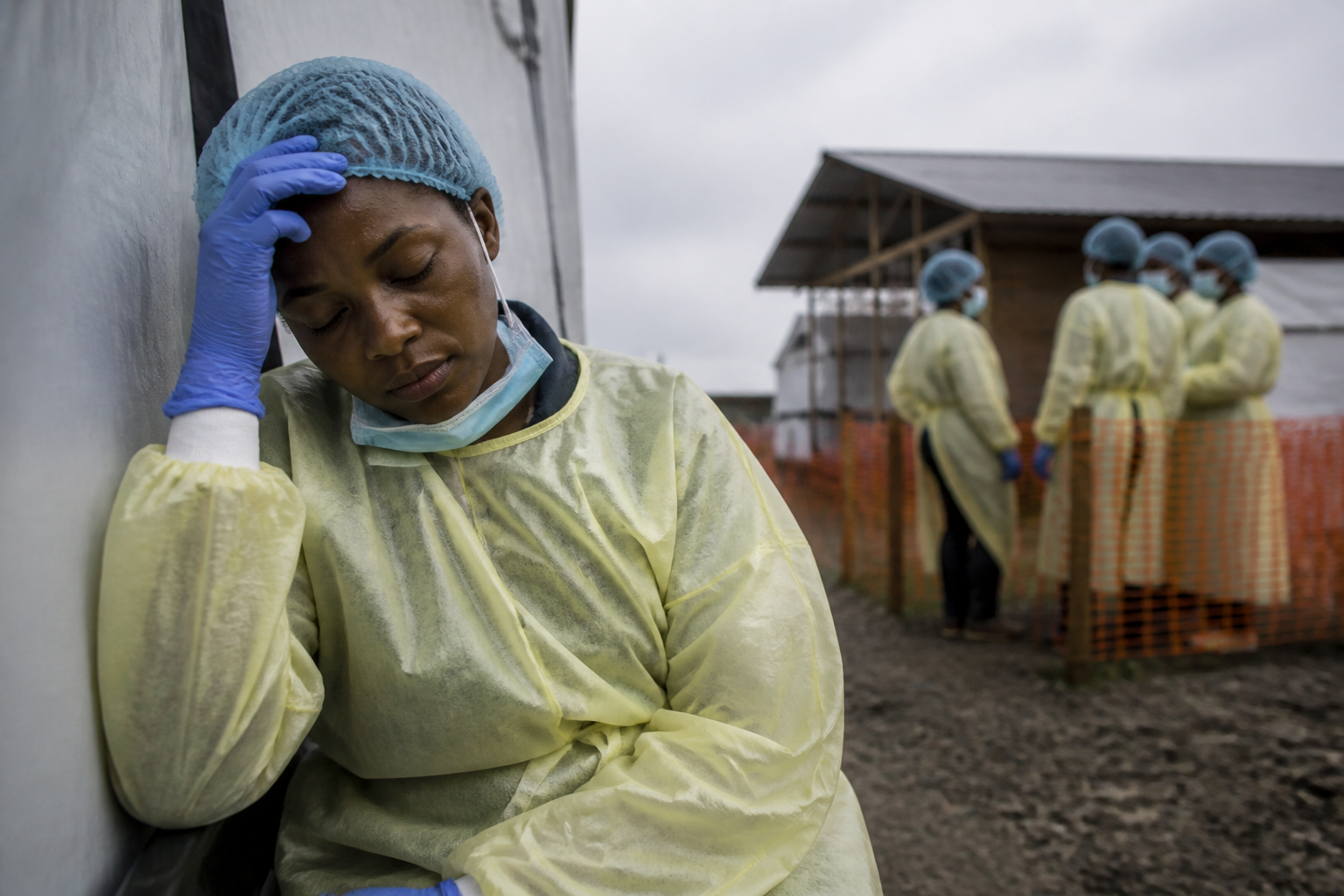
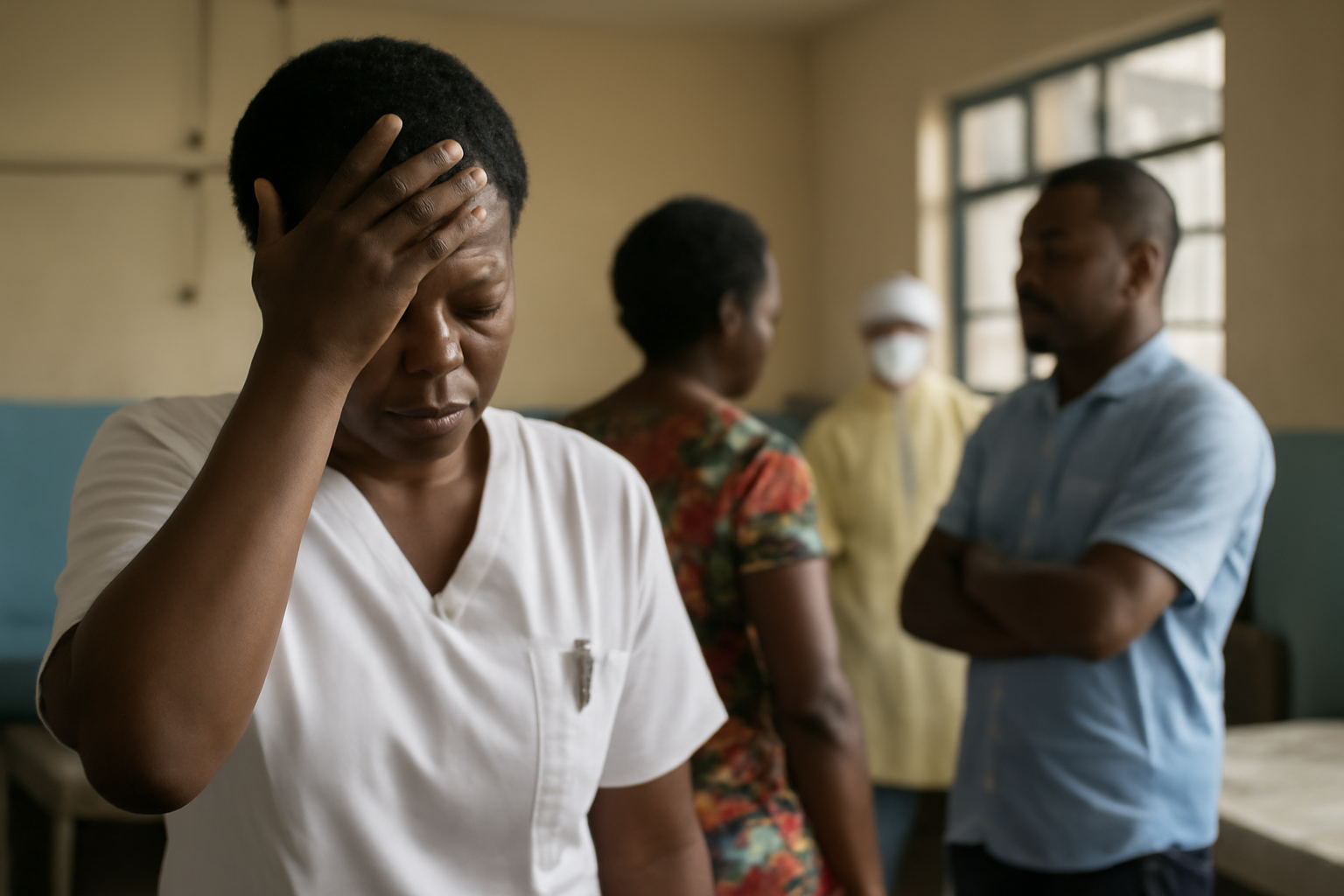
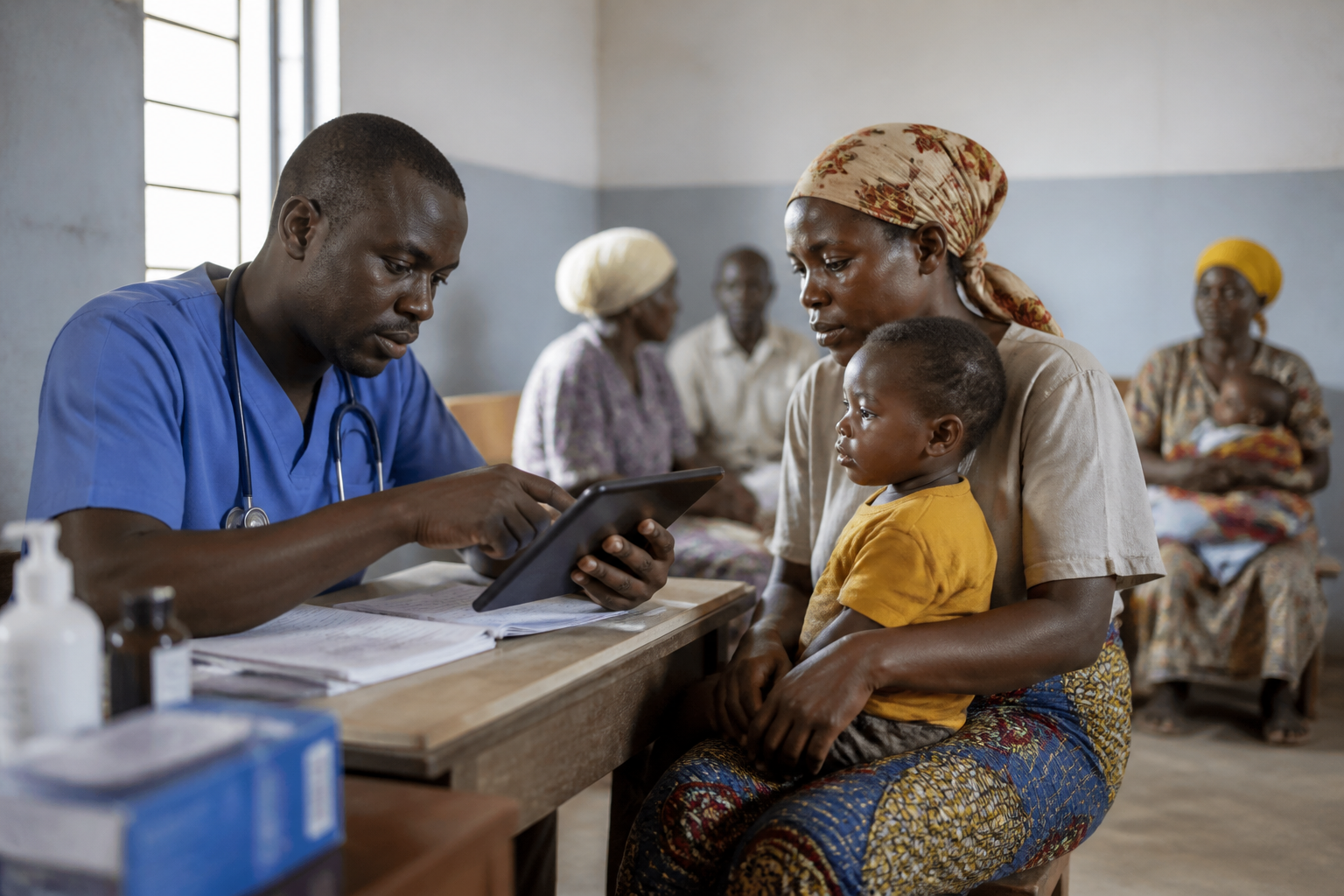
Frontline medical personnel combating viral haemorrhagic fevers in the Democratic Republic of the Congo (DRC) face severe operational pressures, acute resource deficiencies, and heightened physical danger. Medical responders working across outbreak zones navigate an environment marked by persistent insecurity and structural healthcare deficits, illustrating the structural vulnerabilities present in regional epidemic management.
The systemic pressures on medical staff were starkly highlighted by the fatal infection of a leading neurosurgeon in eastern DRC, an event detailed by The EastAfrican. The incident underscored the severe occupational hazards confronted by specialized and frontline staff, who must manage highly infectious diseases within medical facilities that frequently lack basic infection prevention and control resources.
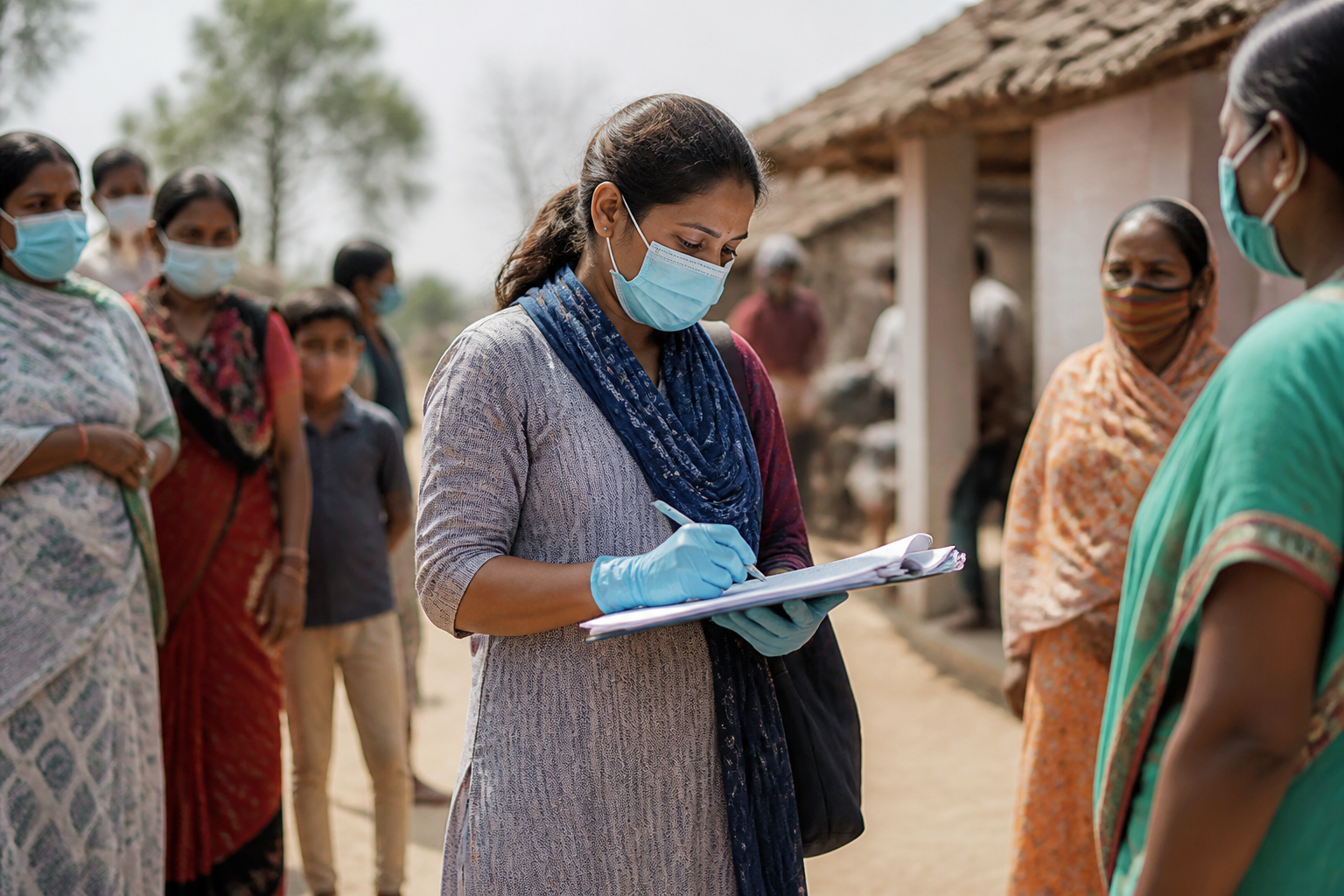
Efforts to contain viral pathogens in the region require immediate intervention and structural support. The World Health Organization (WHO) and Africa CDC have called for urgent, community-led action to contain Ebola transmission in the DRC, emphasizing that technical interventions must be matched with localized response networks to prove effective.
Resource Deficits and Systemic Constraints
Health workers operating during infectious disease outbreaks in the DRC routinely contend with severe shortages of personal protective equipment (PPE), inadequate facility infrastructure, and delayed compensation. These logistical shortfalls severely hamper containment measures and elevate infection rates among healthcare responders.
The broader public health context across East and Central Africa demonstrates similar vulnerabilities when health infrastructure is stretched. According to reporting by the Daily Nation, strikes by healthcare professionals over pay and working conditions have previously left patients stranded, reflecting systemic labor and resource strains across regional public health sectors.
To offset physical insecurity in active conflict areas, containment programs have turned to non-traditional field strategies. According to UN News, former rebel fighters have been incorporated into public health campaigns against Ebola in the DRC, helping response teams navigate volatile territories where conventional healthcare infrastructure is absent or compromised.
Regional Health Investments and Diplomatic Initiatives
Addressing operational vulnerabilities requires sustained funding and cross-border cooperation. Institutional efforts, such as strategic domestic investments and scientific partnerships, aim to bridge the resource gap that puts frontline workers at risk.
In neighboring regions, governments are attempting to reinforce health systems to prevent systemic collapses during cross-border health threats. Kenya's Ministry of Health noted it is moving to accelerate strategic investments in domestic health infrastructure, according to health.go.ke.
Global policy frameworks are also seeking to align scientific expertise with field operations. According to the United Nations University, international partners are fostering new frameworks for science diplomacy, global health, and sustainable development to better support public health infrastructure in developing nations.
What Happens Next
International health agencies and regional governments face mounting pressure to standardize safety protocols and secure reliable funding streams for frontline responders. Health authorities indicate that future containment success in the DRC will depend on whether emergency funding can be converted into permanent infrastructure and guaranteed protection for medical staff operating in high-risk environments.