Latin American Conservatives Align with Israel Under Trump's Influence
Right-wing political figures across Latin America are shifting traditional foreign policy postures to build stronger ties with Israel and signal ideological alignment with Donald Trump.
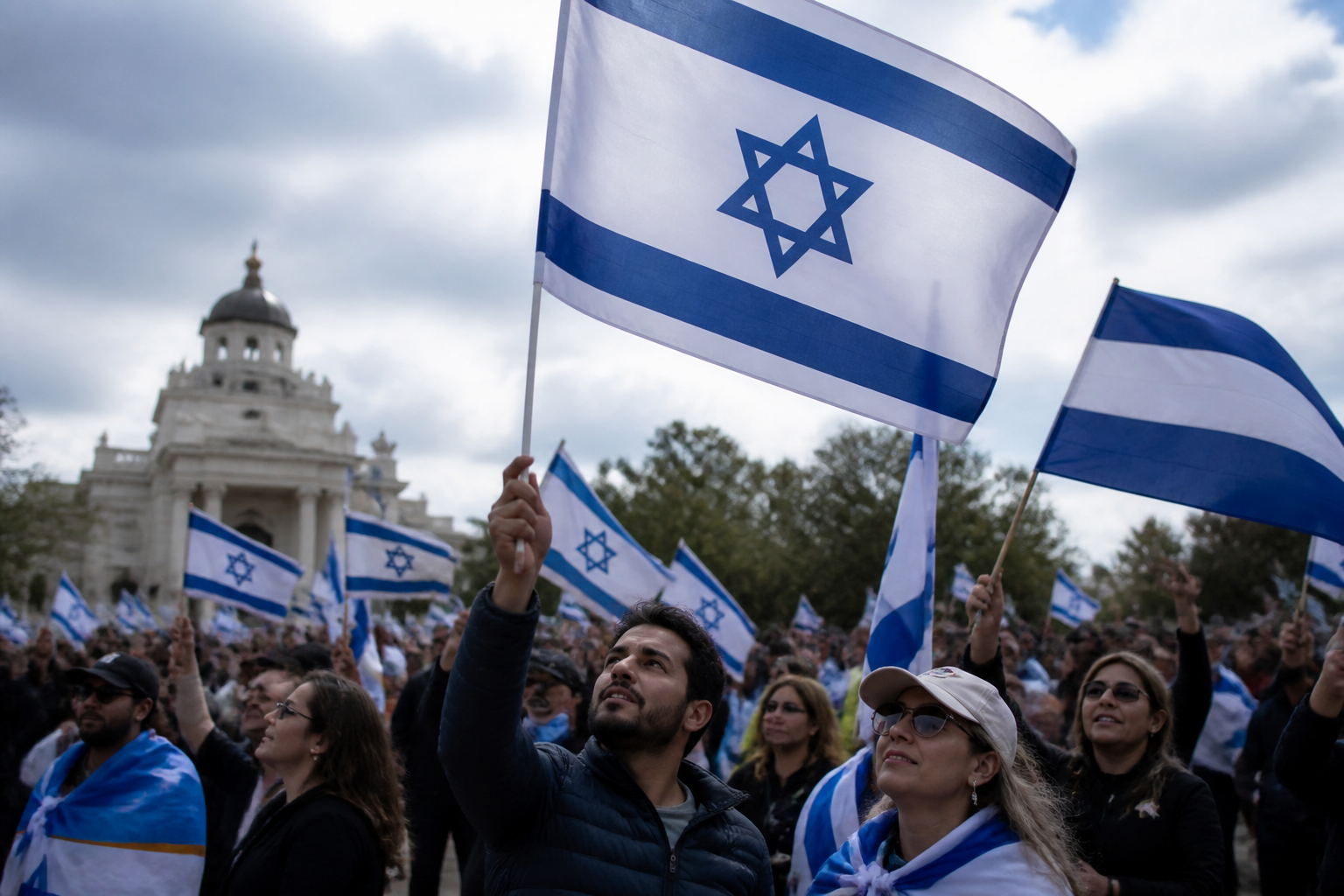
Conservative leaders across Latin America are aligning their foreign policies more closely with Israel, drawn into a diplomatic orbit anchored by former US President Donald Trump.
Right-wing figures in the region are increasingly using alignment with Israel to signal ideological loyalty to Trump’s political movement, according to political analysts reported by DW. This ideological pivot represents a sharp departure from Latin America's historically neutral or pro-Palestinian foreign policy stance.
The shift is particularly visible among conservative heads of state and opposition figures seeking to cement ties with Washington’s conservative establishment, DW reported. By embracing pro-Israel positions, these leaders aim to secure diplomatic favour and political backing from Trump-aligned policy networks in the United States.
Ideological Alignment and Foreign Policy
For decades, foreign policy in Latin America was largely guided by non-alignment or solidarity with developing nations. However, conservative factions have increasingly integrated Western culture-war issues into their domestic and foreign platforms, as noted by DW.
Diplomatic overtures, such as proposals to relocate embassies to Jerusalem, have become key policy benchmarks for conservative politicians across the continent, according to reporting by DW. These moves mirror the policy decisions executed during Trump’s presidency, including the relocation of the US Embassy in Israel in 2018.
This strategy serves a dual purpose for regional conservatives: it consolidates support among growing evangelical Christian voter bases at home while establishing direct ideological links to Trump’s inner circle in North America.
Regional Implications and Political Stakes
The realignment is reshaping diplomatic dynamics across the Western Hemisphere. While left-leaning governments in countries such as Brazil, Colombia, and Chile have maintained critical stances toward Israeli military actions and diplomatic policies, conservative leaders are taking the opposite approach, according to DW.
This divide has deepened political polarization within Latin American trade blocs and regional forums. According to analysts cited by DW, foreign policy towards the Middle East has now become a primary battleground for domestic partisan identity across the region.
What Happens Next
As electoral cycles approach across Latin America, the influence of US conservative networks is expected to play a prominent role in campaign platforms, according to reporting by DW. Observers will be monitoring whether upcoming elections bring further embassy moves or formal foreign policy shifts toward Israel among incoming administrations.