Operational Strain Mounts Across Southern Lebanon’s Regional Healthcare Network
Surging cross-border clashes are pushing Southern Lebanon's regional healthcare infrastructure to its operational limits, threatening trauma care delivery and emergency medical supplies.

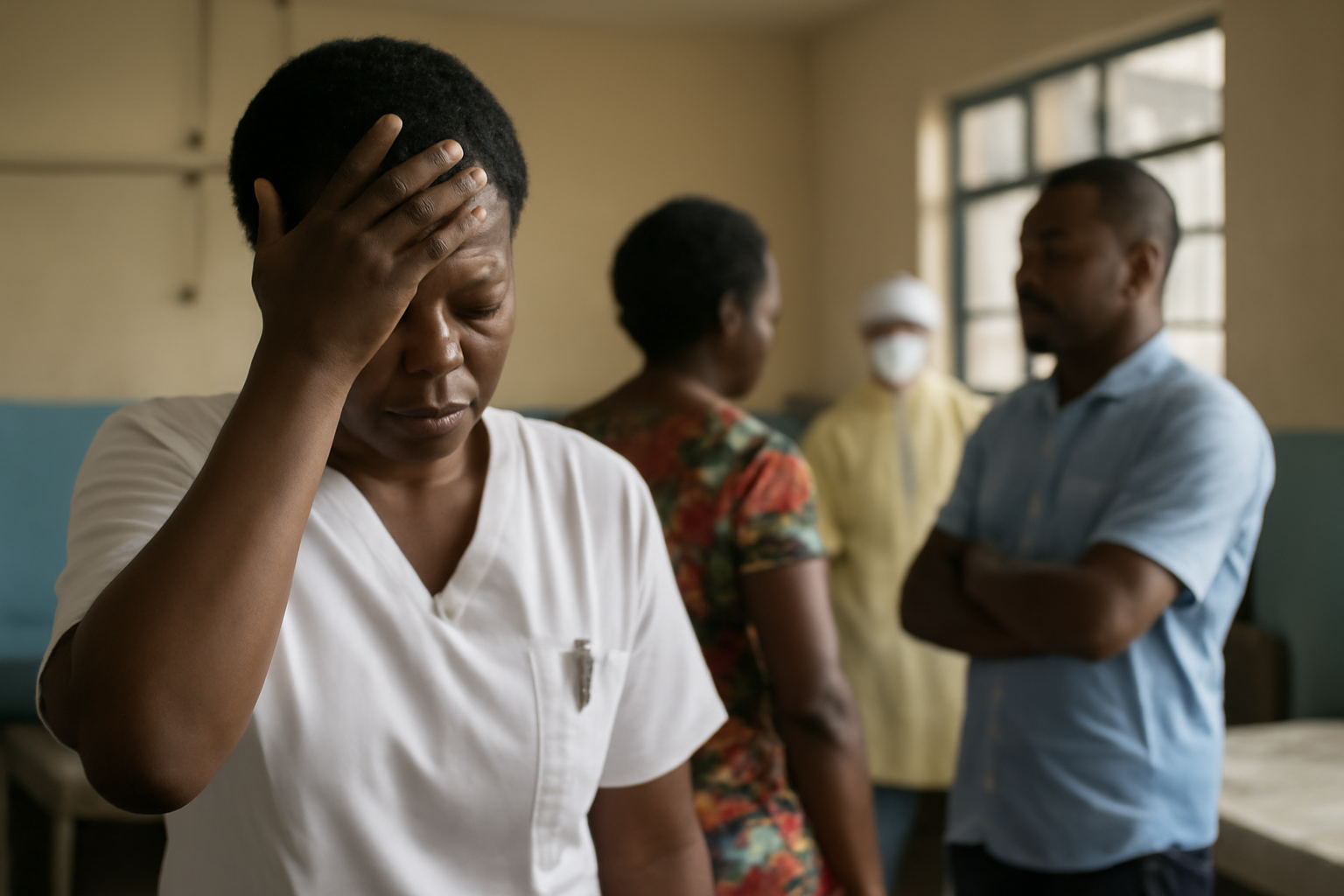
Regional healthcare networks across Southern Lebanon are facing severe operational strains as intensifying cross-border military exchanges overload local emergency rooms, exhaust trauma supplies, and force medical facilities to operate under crisis conditions. The influx of casualties from ongoing bombardments has stretched hospital infrastructure to its limits in an area where health systems were already vulnerable, according to public health context reported by The New York Times.
When cross-border shellings and airstrikes escalate rapidly, municipal and regional hospitals in Southern Lebanon become the primary frontline response nodes. These facilities must absorb sudden surges of complex trauma cases, often while managing power instability, supply chain bottlenecks, and direct security risks to emergency transport routes.
The operational pressure on these regional centers reverberates throughout the entire humanitarian sector. Field clinics and secondary care facilities must swiftly pivot from routine care—such as managing chronic illness and maternal health—to emergency triage and life-saving stabilization.
Systemic Pressure on Frontline Facilities
The immediate spike in severe traumatic injuries places a heavy burden on blood banks, intensive care units (ICUs), and surgical suites. According to reporting on recent regional strikes by The New York Times, health officials reported that Israeli strikes in Lebanon killed 11 people in a single day, illustrating the swift influx of severe casualties that local emergency departments must process.
Beyond immediate surgical needs, medical centers in Southern Lebanon face chronic logistical hurdles during active combat periods. Ambulances operating near active strike zones face heightened risks, slowing transport times for critical patients.
Furthermore, medical supply chains become increasingly precarious during sustained cross-border exchanges. Regional distribution centers must compete for limited fuel resources to power emergency backup generators, a mandatory requirement given frequent disruptions to the public electrical grid.
Displacement and Secondary Health Risks
The strain on Southern Lebanon’s healthcare network extends beyond direct trauma care. As civilian populations evacuate border towns to escape incoming fire, thousands of displaced residents converge on larger regional hubs, creating secondary health crises.
Shelters for internally displaced persons (IDPs) frequently experience overcrowding, raising the risk of infectious disease outbreaks and putting extra pressure on municipal sanitation and mobile health clinics. Primary care providers struggle to maintain consistent medication supplies for displaced patients suffering from non-communicable diseases like hypertension and diabetes.
Emergency healthcare funding and medical aid delivery also face structural delays. Humanitarian organizations operating in the region must secure safe passage protocols and coordinate complex logistics, which can slow the delivery of targeted medical kits to frontline hospitals during acute spikes in violence.
Long-Term Capacity and Outlook
The cumulative impact of recurring violent clashes threatens to degrade Southern Lebanon's health infrastructure over the long term. Prolonged emergency operations deplete emergency financial reserves, exhaust medical personnel working multi-day shifts, and delay routine facility maintenance.
International relief agencies and local public health authorities continue to monitor regional facility capacities closely. Health administrators warn that without sustained humanitarian corridors, stable fuel imports, and targeted emergency aid packages, Southern Lebanon's health network risks reaching total operational saturation during subsequent rounds of cross-border escalation.