Transition debts: How SHA is tackling legacy NHIF provider claims
Kenya’s Social Health Authority has begun settling legacy debts of up to $77,400 (KSh 10 million) inherited from the defunct NHIF, taking a critical step to rebuild trust among healthcare providers and stabilize universal coverage reforms.
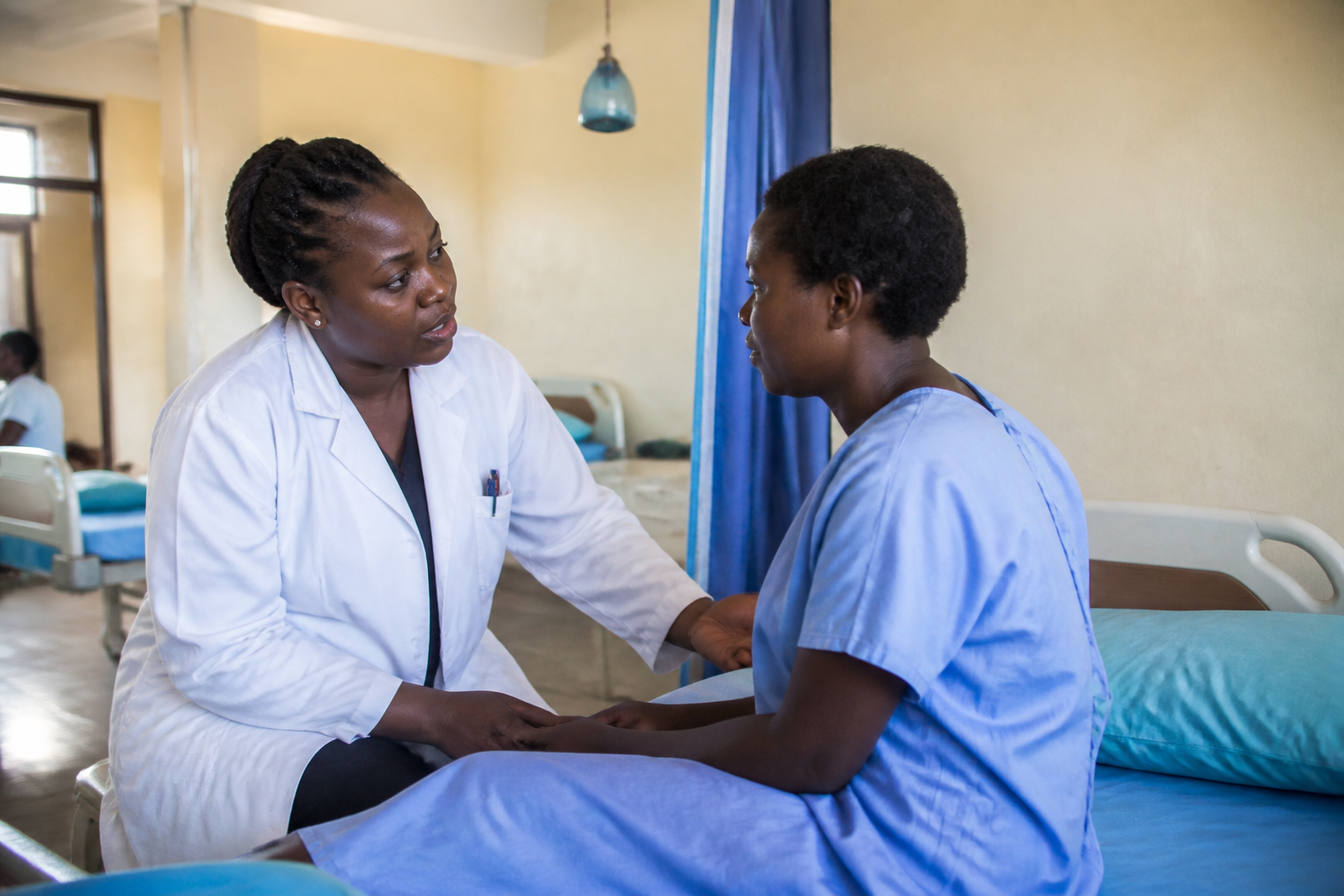
Kenya’s newly established Social Health Authority (SHA) has commenced the clearance of outstanding debt inherited from the defunct National Health Insurance Fund (NHIF), targeting smaller healthcare facilities in a bid to restore confidence among private and public medical providers. The state insurer confirmed it is prioritising payments of $77,400 (KSh 10 million) and below per facility to ease financial pressure on primary care providers across the country, according to reporting by People Daily.
The resolution of legacy arrears represents a central hurdle in Kenya’s ambitious healthcare reform roadmap, which saw the government replace the decades-old NHIF with the SHA to deliver universal health coverage. Healthcare facilities nationwide have faced prolonged cash flow disruptions due to unpaid claims accumulated under the former scheme, straining relations between healthcare administrators and the state funding body. The broad policy overhaul sits alongside broader government commitments to modernise medical facilities, as highlighted by the Ministry of Health in its drive to enhance national health infrastructure.
By ring-fencing claims below the $77,400 (KSh 10 million) threshold, the authority is focusing its initial liquidity injection on smaller clinics, faith-based hospitals, and regional dispensaries that operate on narrow margins. However, total legacy claims from larger public referral facilities and private medical groups remain substantial, leaving full provider trust contingent on whether larger balances will be settled systematically in subsequent disbursements.
Financial verification and provider confidence
The transition from the NHIF to the SHA required the reconciliation of billions of shillings in historical claims, many of which were subject to extended forensic audits to eliminate duplicate or fraudulent billing. Settling smaller accounts allows the SHA to clear a high volume of individual vendor files while limiting initial capital outlay, according to coverage by People Daily.
Provider trust has been heavily eroded by historical delays in reimbursement, which previously led some private hospitals to turn away NHIF cardholders or demand cash top-ups. Healthcare administrators argue that predictable payment cycles under the SHA are essential if facilities are to maintain adequate staffing levels, stock essential pharmaceuticals, and support infrastructure upgrades.
The Ministry of Health has maintained that stabilizing health system financing is a prerequisite for broader structural upgrades across national medical centres, according to the official portal of the Ministry of Health. Institutional reforms aim to align domestic spending with broader universal health coverage standards while reducing out-of-pocket expenses for patients.
Broader context of regional health system pressures
The financial restructuring within Kenya’s health scheme coincides with severe operational challenges facing healthcare delivery across sub-Saharan Africa. Broader regional health systems remain exposed to systemic vulnerabilities, ranging from critical shortages of medical personnel to acute funding gaps during public health crises.
Severe disruptions within health networks carry direct consequences for health workers on the front lines. In conflict and crisis zones across the continent, institutional fragility presents extreme risks; recent health emergencies in the Democratic Republic of the Congo resulted in the loss of specialized personnel, including a senior neurosurgeon, underscoring the severe hardships facing medical staff in under-resourced settings, as documented by The EastAfrican.
Simultaneously, international multilateral bodies have drawn attention to systemic security and operational threats confronting health systems globally. The United Nations reported that attacks on healthcare infrastructure and personnel occur globally at an average rate of once every six hours, with negligible accountability for perpetrators, according to UN News. Furthermore, international health agencies continue to emphasize that robust local primary care networks are the primary defense against wider disease outbreaks, as noted in joint outbreak responses by the World Health Organization.
What happens next for the Social Health Authority
The SHA is expected to announce the next phase of legacy claim settlements once the verification of larger facility accounts is completed. Financial analysts and health sector unions will be monitoring whether the authority can maintain consistent disbursement schedules for ongoing claims generated under the new scheme while liquidating remaining NHIF liabilities.
The successful implementation of Kenya’s universal health coverage model will depend heavily on sustained budgetary allocations from the National Treasury and the full onboarding of both private and public healthcare providers into the digital SHA management platform.