“A Thin Line”: What Faith Kipyegon’s Injury Reveals About Elite Running
Faith Kipyegon’s pause due to a lingering hamstring injury serves as a stark reminder of the fragile boundary between peak conditioning and severe physical strain in elite athletics.
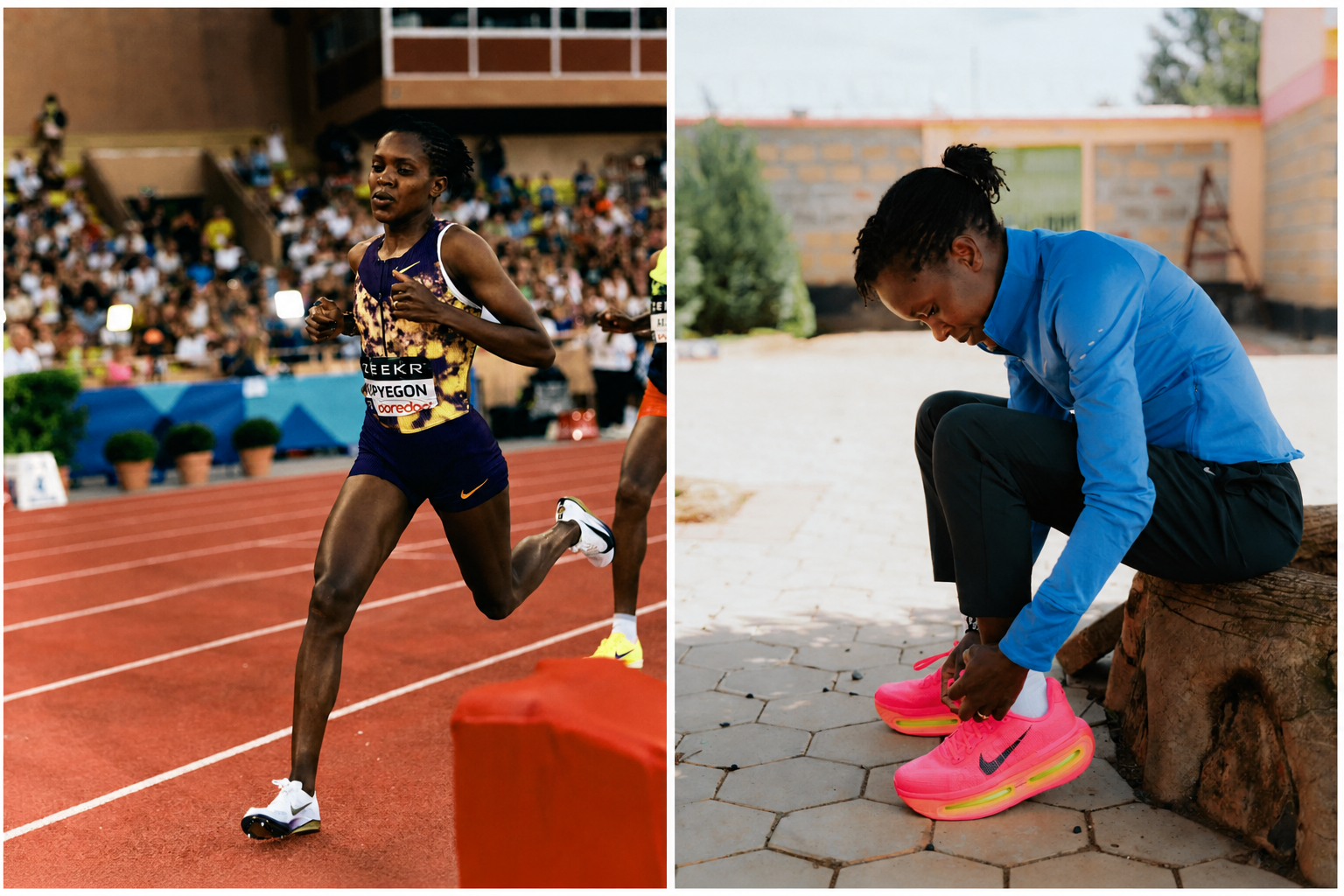
Faith Kipyegon
Multiple world record holder Faith Kipyegon has confirmed she is managing a persistent hamstring injury, highlighting the physical demands placed on elite middle-distance runners operating at the highest level of global athletics.
In a statement posted on her official Facebook account, the Kenyan track star revealed that the issue has persisted since May, forcing her to prioritize full recovery before returning to competitive racing.
"As athletes, we ask a lot from our bodies," Kipyegon said. "There is always a thin line between being fit and the risk of injury. Since the end of May, I have been dealing with a hamstring injury and unfortunately it needs a bit longer to recover than I had hoped."
Her disclosure highlights the intense biological strain experienced by world-class distance athletes, where maintaining peak conditioning requires pushing physical limits to the threshold of tissue biomechanics.
What Happened?
Kipyegon explained that taking time off to manage the muscular issue is essential for safeguarding her career longevity and future performances on the track.
"I know that taking care of it now is the most important thing I can do to come back at my best," she stated via her verified social page. "So for now, I will take the time to heal, recover and get stronger. I'll be back."
Hamstring strain remains one of the most common and persistent injuries among track athletes, particularly those competing in middle-distance events that demand sustained speed, stride extension, and repetitive high-velocity force production.
The decision to pause competitive activity reflects a modern sports science approach, where early intervention and extended rehabilitation prevent acute muscular strains from turning into chronic, career-altering tears.
Why It Matters
Kipyegon's situation illustrates the delicate balance elite athletes must maintain between physical exertion and structural recovery. Elite running imposes forces several times an athlete's body weight through the lower limbs, making soft tissue vulnerable when mileage and intensity peak.
Public reaction to her announcement was swift, with supporters acknowledging the physical toll required to maintain elite performance. Commentators on her post emphasized that prioritizing rest over immediate competition is a crucial aspect of elite sports management.
"You've given everything to this sport, and right now your body is asking for something in return: time," wrote fan Festus Kipkogei in response to the champion's update. "A hamstring that needs more time is not a setback. It is a reminder that champions are built in the quiet, deliberate work of healing."
Other track observers echoed the sentiment, pointing out that Track and Field at the international level requires extreme physical sacrifices, where complete tissue recovery is necessary before resuming elite training loads.
What Comes Next?
Kipyegon has not outlined a specific public timetable for her return to competitive track action, choosing instead to focus entirely on her rehabilitation process.
By taking an extended break to heal the hamstring issue that began in late May, her immediate priority centers on medical rehabilitation, strength rebuilding, and targeted conditioning.
Her recovery process will be monitored closely by track analysts and supporters globally, as one of distance running's most decorated competitors works to return to peak fitness without risking further physical setback.