“Billions At Risk”: Why MPs Fear NEMIS Data Gaps Threaten School Funding
IN BRIEF
Kenyan lawmakers have raised concerns that severe data gaps in the National Education Management Information System could expose billions of shillings in school capitation funds to loss or misallocation.
Read on for the full picture
Kenyan lawmakers have raised red flags over severe data gaps in the National Education Management Information System, warning that incomplete record-keeping puts billions of shillings in capitation funds at risk of misappropriation.
The parliamentary scrutiny centres on discrepancies between physical student enrolments in public schools and the digital records captured on the platform. Members of Parliament express fear that unverified figures could lead to the loss of public funds meant to subsidise primary and secondary education.
Under current Ministry of Education guidelines, the Treasury disburses free primary and secondary education funds based on student data registered on the system.
However, system downtime, poor internet infrastructure in rural areas, and delays by school administrators in updating records have left thousands of learners uncaptured.
What Drives The Alarm?
The core concern among legislators is that discrepancies in the digital repository allow room for phantom students to be budgeted for, or conversely, cause legitimate institutions to be starved of operational resources.
Public school principals have previously complained that funding delays stem from technical hitches on the portal, which prevent the government from verifying genuine enrolment numbers before releasing capitation grants.
Education sector stakeholders warn that without an accurate data management architecture, the state cannot efficiently allocate funds or plan for infrastructure upgrades across learning institutions.
How Will System Fixes Work?
Parliament has called on the Ministry of Education to resolve the infrastructure bottlenecks causing data entry delays and to audit existing school registries to align them with digital databases.
The push to fix data gaps comes as the country navigates major structural adjustments in higher learning and basic education, including the implementation of the Competency-Based Education framework.
details are emerging on how the new CBE university system will work, placing even greater emphasis on reliable tracking of student progress from primary through to tertiary level.
The Ministry of Education has indicated that ongoing system upgrades aim to streamline registration and eliminate manual workarounds that create opportunities for financial leakage.
What Happens Next?
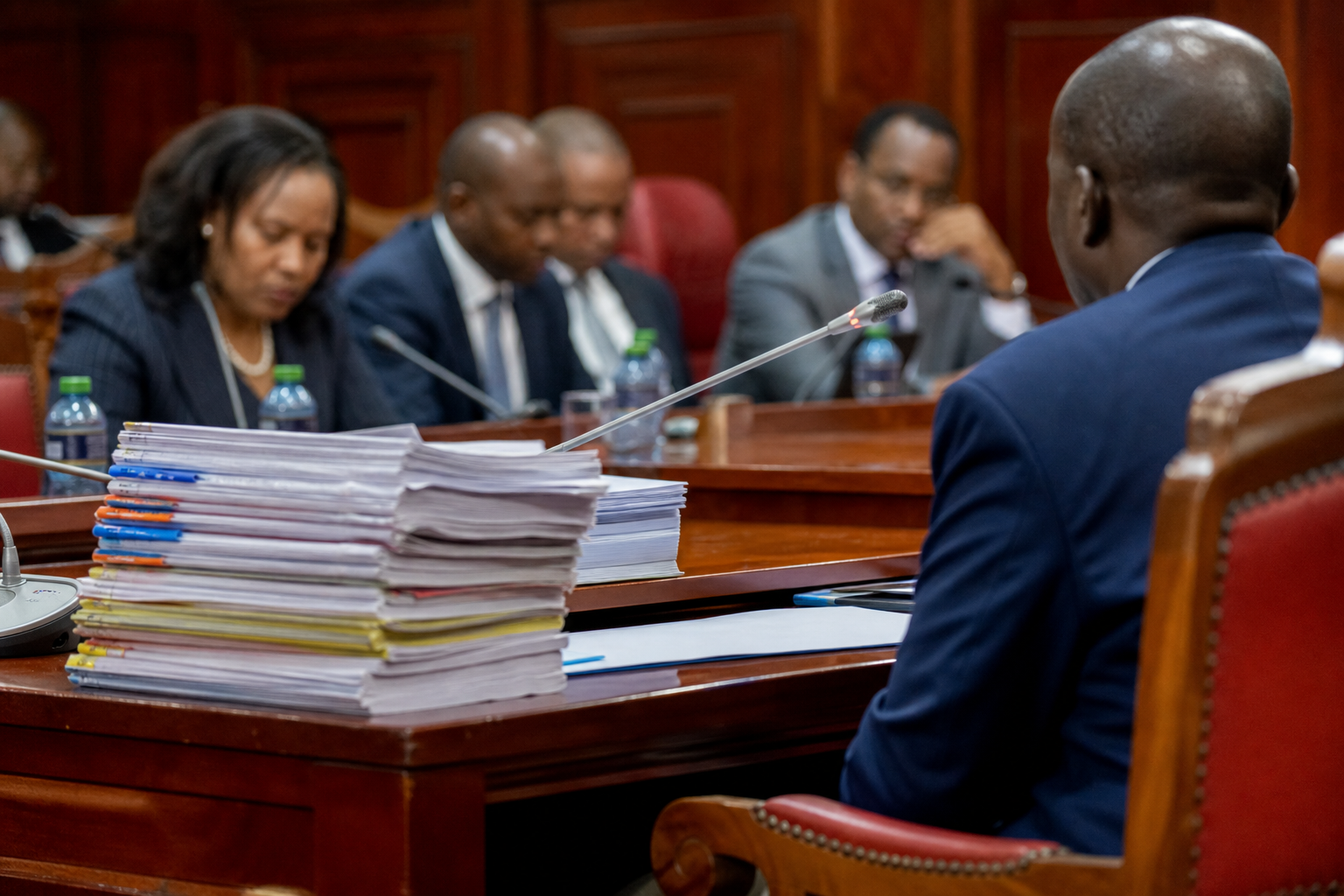
Parliamentary committees on education are expected to summon Ministry officials to present a comprehensive audit of all funds disbursed through the system over the recent financial cycles.
Lawmakers insist that capitation funds will face tighter oversight, warning that disbursements may be delayed or subjected to stricter manual reconciliation until data integrity on the digital platform is fully restored.