“A Persistent Dilemma”: Why Kenyan Schools Face Funding Crisis as Third Term Starts
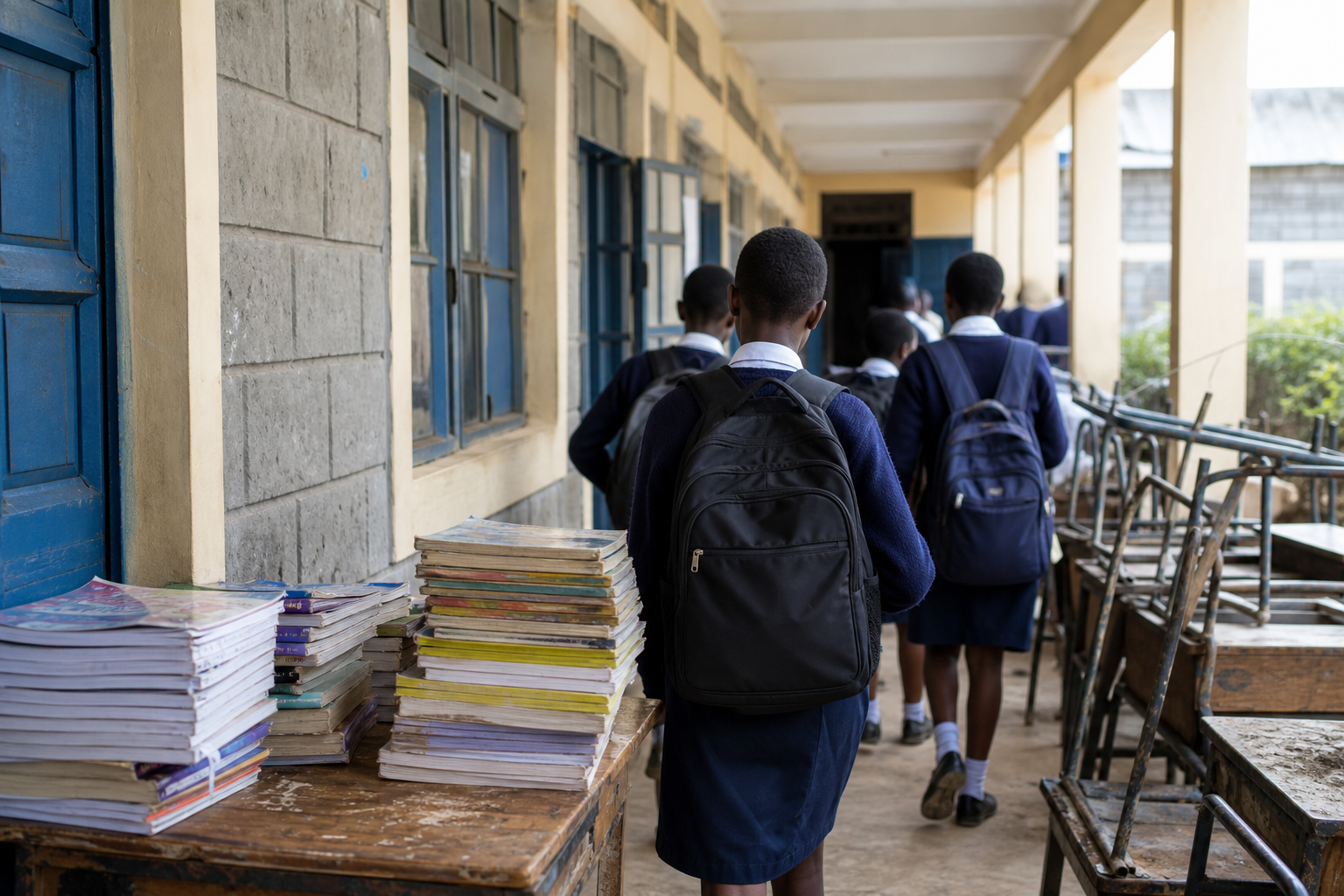
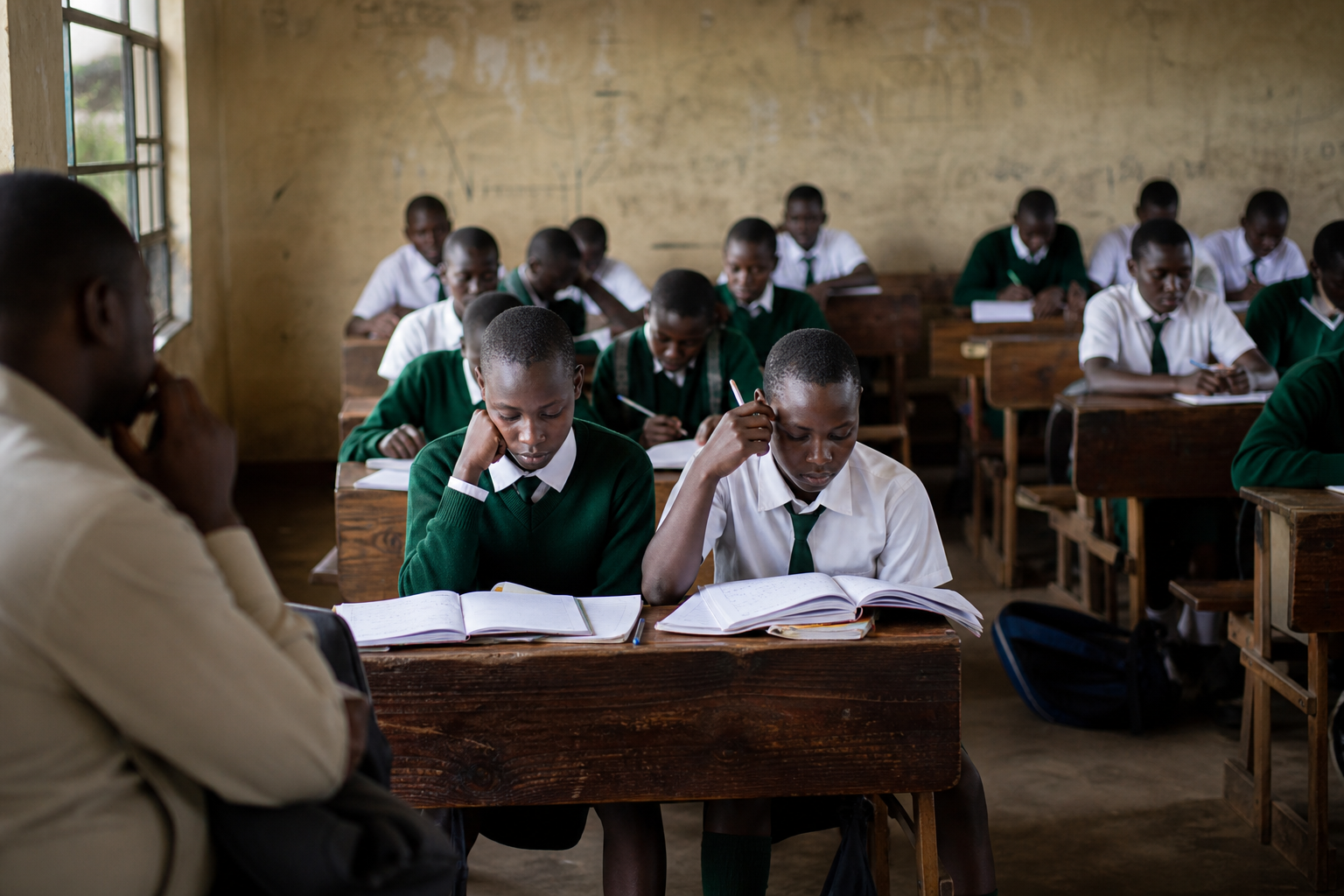
Public schools across Kenya have reopened for the short and high-stakes third term under the shadow of persistent capitation delays, leaving headteachers struggling to fund basic operations ahead of national examinations.
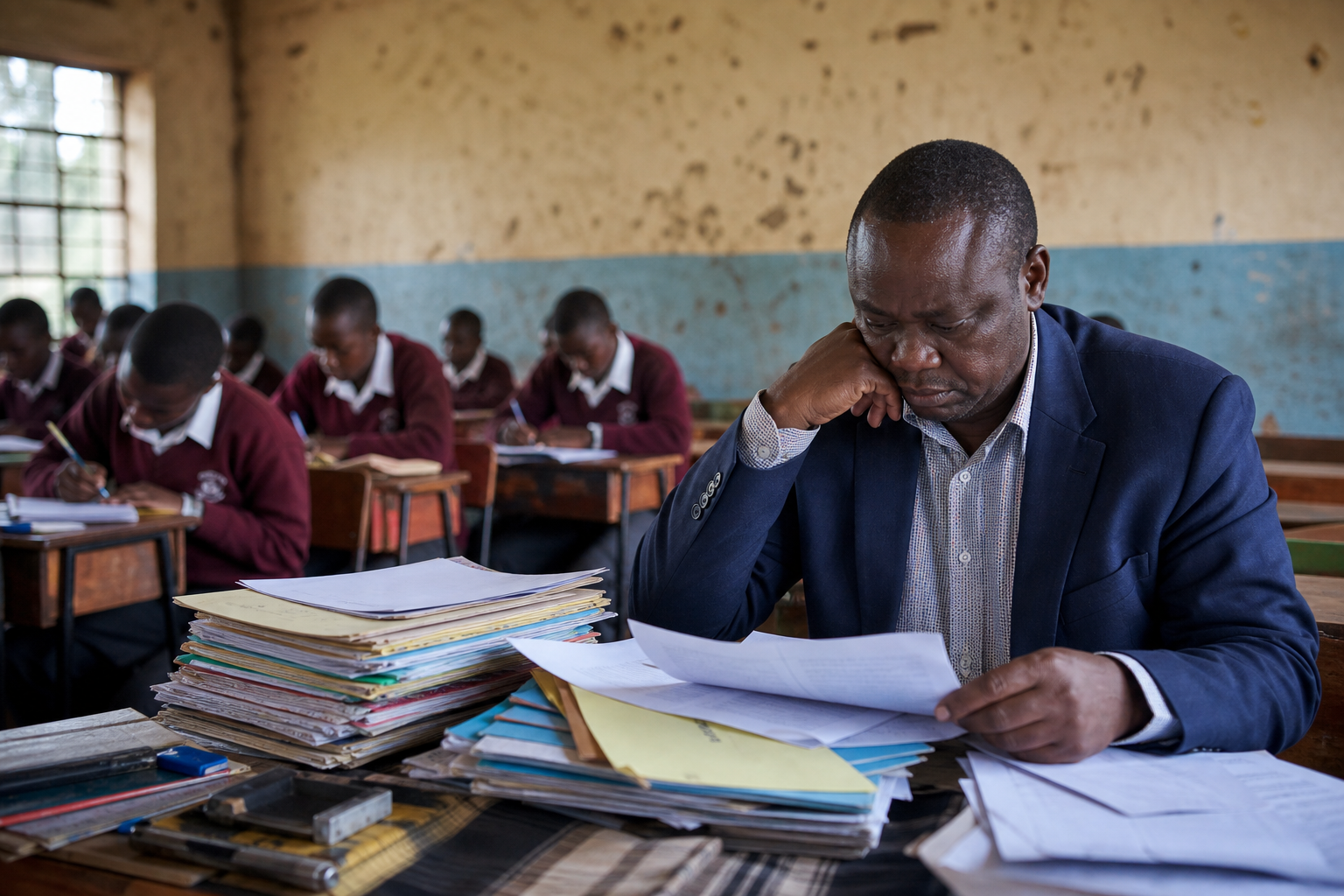
Kenyan public schools have officially reopened for the critical third term, yet administrators across the country face a familiar and mounting operational crisis.
School headteachers and principals are sounding the alarm over delayed capitation funds from the national treasury, raising fears that basic institutional activities could grind to a halt during the national examination period. The third term is traditionally the shortest and most demanding phase of the Kenyan academic calendar.
Beyond regular instruction, institutions must manage logistics for the upcoming national examinations, including the Kenya Primary School Education Assessment (KPSEA) and the Kenya Certificate of Secondary Education (KCSE). Without adequate operational funding, school boards report severe constraints in purchasing essential learning materials, settling utility bills and supporting non-teaching staff.
Is Capitation Arriving?
Financial strain in public basic education institutions has been compounding over consecutive academic cycles. School managers have consistently urged the Ministry of Education to release the full disbursements owed per learner rather than staggering scaled-down amounts late into the term. the persistent funding dilemma is once again shadowing the start of the term as learners return to classrooms nationwide.
Under the national capitation model, the government allocates funds per student to cover tuition, administrative overheads and maintenance in public primary and secondary schools. However, delayed exchequer releases frequently force school administrators to negotiate credit arrangements with local suppliers for food, laboratory chemicals and stationeries.
The funding shortfall disproportionately affects boarding institutions, where managers must feed thousands of students daily despite unpaid supplier debts. Several school heads have warned that unless the Treasury expedites the release of outstanding capitation, maintaining student welfare throughout the short term will become untenable.
What Lies Ahead?
The Ministry of Education has previously maintained that it works closely with the National Treasury to ensure funds reach school bank accounts as quickly as budgetary allocations allow. However, education stakeholders and parliamentarians continue to demand a predictable disbursement schedule to protect the academic calendar from recurrent logistical disruptions.
With national examinations approaching, school heads are calling for immediate intervention to clear the backlogs. The coming weeks will reveal whether government disbursements arrive in time to stabilise operations, ensuring that final-year candidates complete their assessments without institutional interruptions.