Beating the Rains: How Ruto’s Agricultural Subsidies Target Climate Uncertainty
President William Ruto has rolled out new seed and fertiliser price cuts to shield Kenya’s grain production from increasingly erratic rainfall patterns.
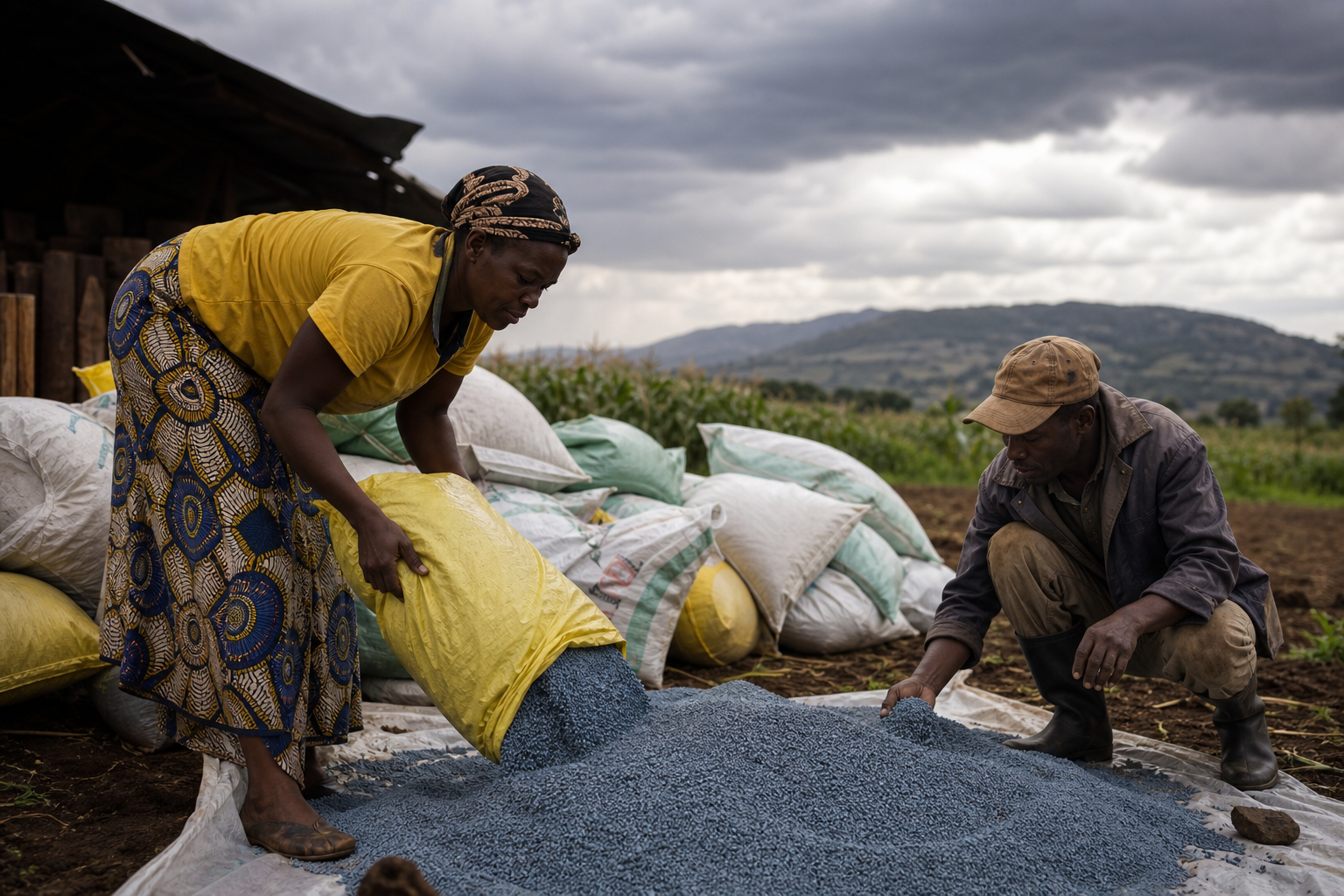
President William Ruto has unveiled new agricultural relief measures aimed at boosting local crop production as Kenya faces increasingly unpredictable weather patterns brought on by climate change.
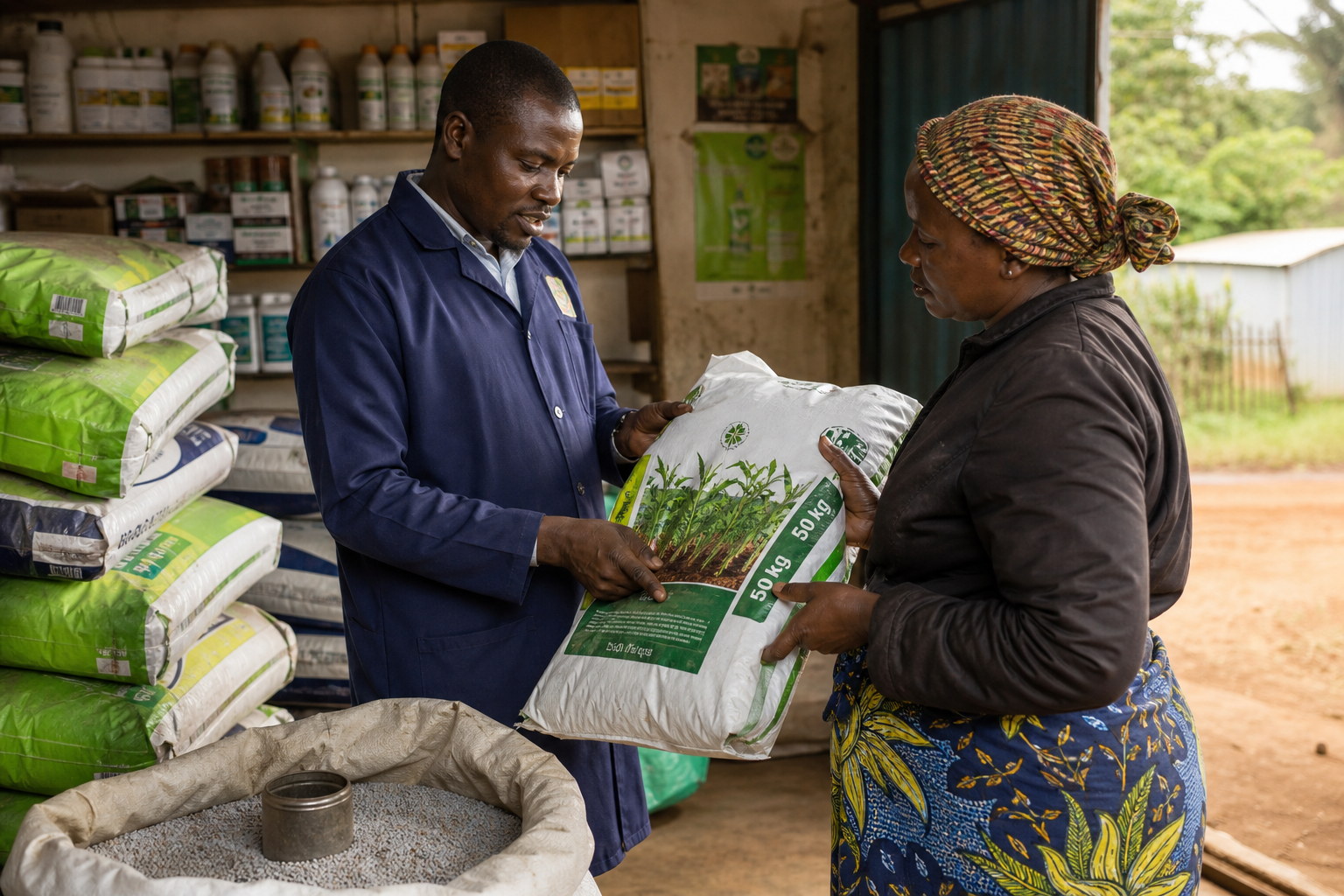
Speaking on Sunday, 23 August 2026, President Ruto announced a 50 per cent subsidy on maize seeds alongside a price reduction of KSh 500 ($3.86) per bag of fertiliser. The intervention aims to lower input costs for growers who are preparing their fields amidst shifting seasonal forecasts.
The administration is urging growers across agricultural zones to capitalise on expected rainfall. Weather shifts across East Africa have made planting seasons less predictable, increasing risks for smallholder farmers who form the backbone of the national food supply.
Why Now?
Agricultural interventions have emerged as the cornerstone of the state's plan to protect domestic grain reserves against erratic weather. Unpredictable rains have repeatedly disrupted traditional planting cycles, making affordable farm inputs critical for securing yields.
By lowering the financial threshold for certified seeds and soil nutrients, the state hopes to encourage expansive planting during upcoming wet spells. Reducing seed prices by half allows farmers to secure high-yield varieties that offer better resistance to adverse weather conditions.
State interventions targeting production inputs rather than direct food aid represent a structural pivot toward long-term resilience. Lowering input costs directly reduces the break-even point for primary producers navigating climate risk.
What Changes?
Subsidised fertiliser prices will drop by KSh 500 ($3.86) per bag, adding to existing price-reduction structures instituted by the government. The reduction reported by KBC comes as a relief to rural households facing elevated operational expenses.
Simultaneously, the 50 per cent price slash on hybrid maize seed aims to expand total acreage under cultivation. President Ruto noted via Citizen TV Kenya on X that farmers should take immediate advantage of forecast heavy rains to plant early.
Agricultural experts maintain that early planting combined with proper soil nutrition remains the most effective hedge against mid-season droughts. Reducing input overheads allows farmers to allocate resources toward water conservation and pest control.
What Comes Next?
The success of the strategy will depend on distribution efficiency as planting seasons commence across key grain-producing regions. Logistics networks must ensure that subsidised seeds and fertiliser reach distribution depots before the onset of rains.
County agricultural departments are expected to coordinate local supply chains to prevent artificial shortages or price manipulation in retail outlets. State agencies will also monitor weather forecasts to provide region-specific guidance to farming communities.
As climate change continues to alter regional rainfall cycles, the administration's long-term strategy focuses on transforming rain-fed production through sustained input support and adaptive farming techniques. Further policy updates regarding distribution timelines are expected ahead of the main planting window.