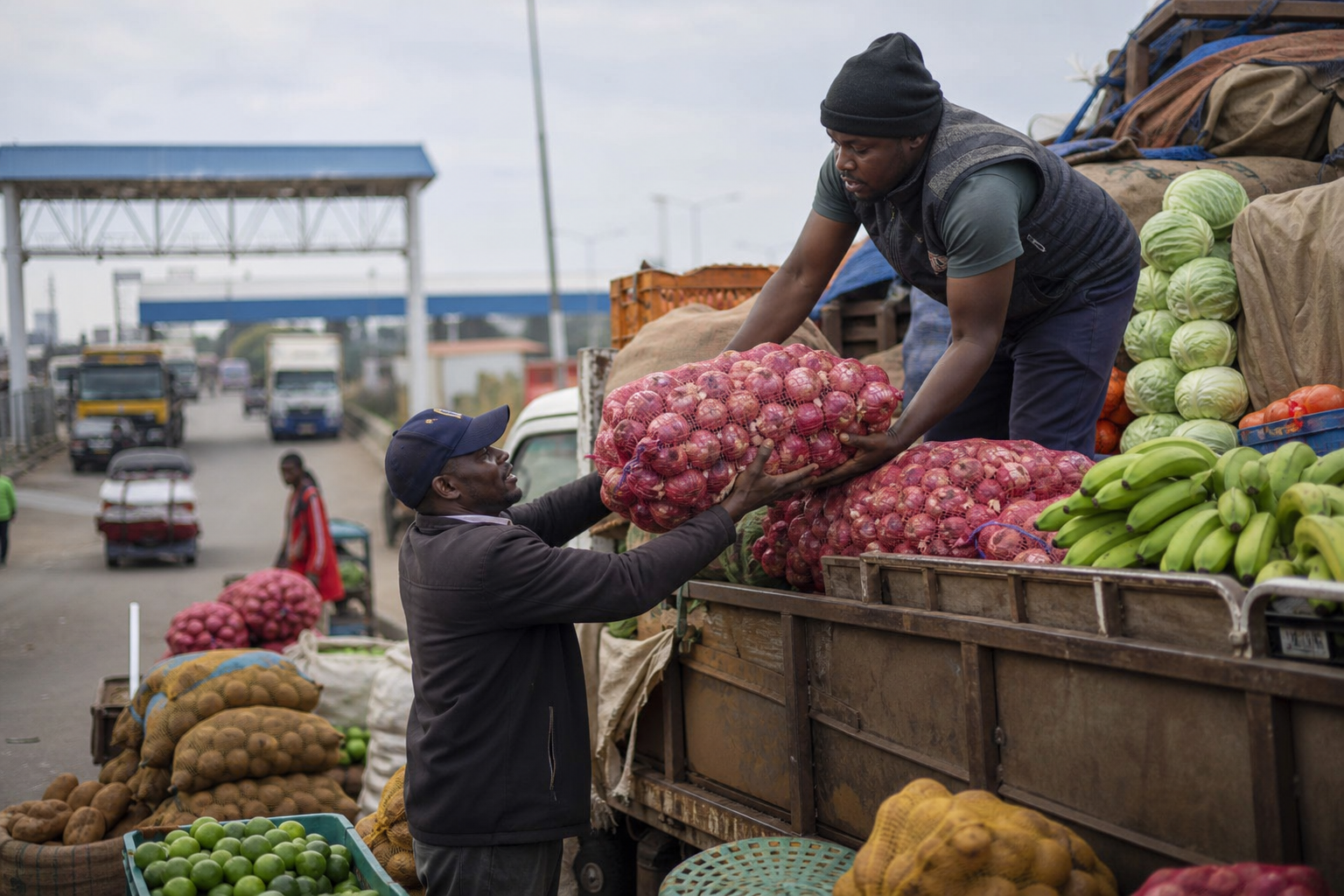
Revenue at the Border: How Malaba Processes Billions in Regional Transit Trade
The Malaba border handles thousands of cargo trucks daily, serving as a critical financial engine for Kenya's customs revenue and regional logistics network.
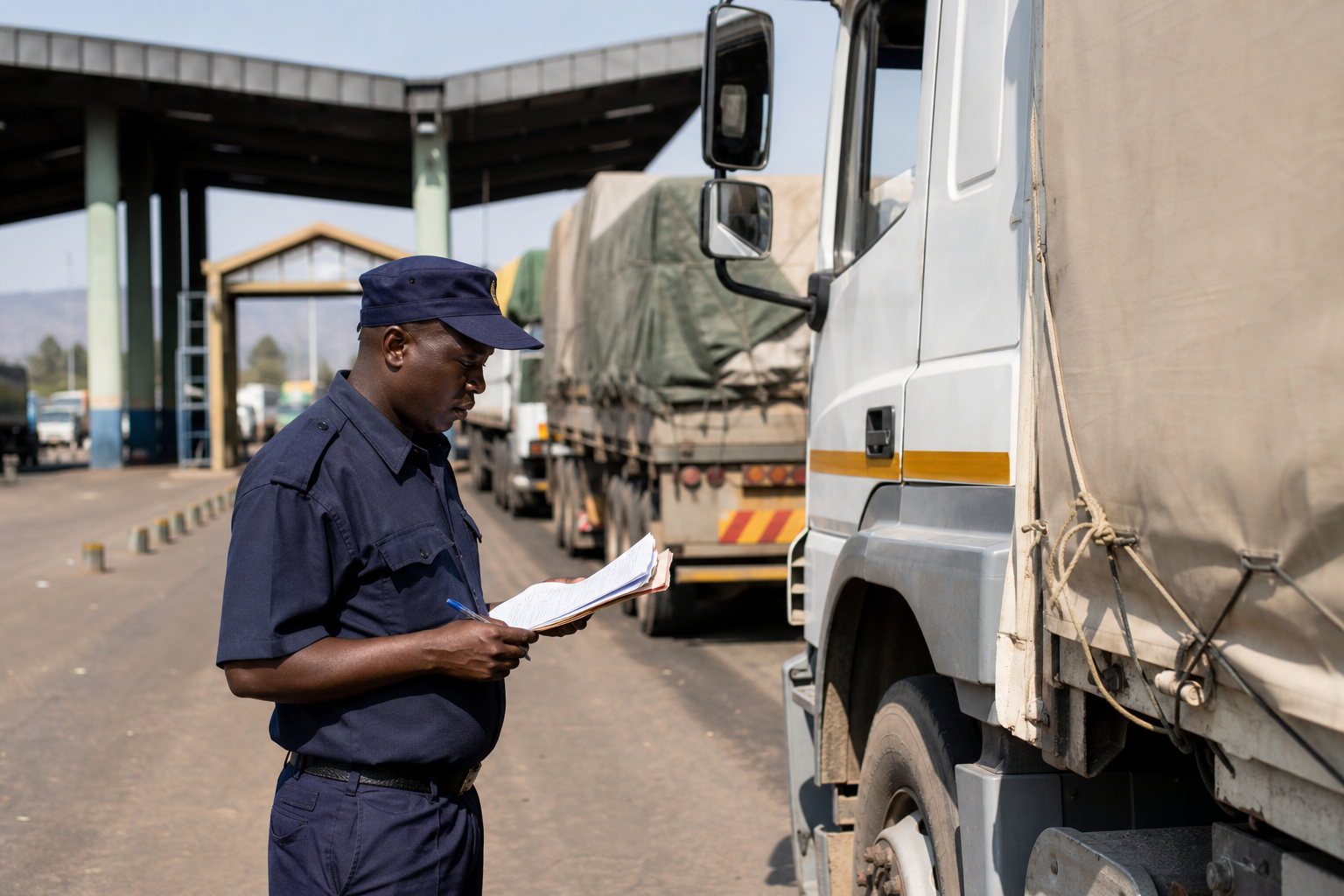
The Malaba One-Stop Border Post, situated along the primary trade corridor connecting Kenya to landlocked regional neighbours, operates as a critical hub for international customs processing and cargo clearance.
Customs revenue generated through the crossing reflects the sheer volume of commercial transit moving through East Africa. Heavy freight vehicles carrying petroleum products, industrial inputs, fast-moving consumer goods and regional agricultural exports move continuously through the entry point, paying processing tariffs, transit tolls and import duties.
The border operations rely on integrated customs management software, digital cargo tracking networks and joint border inspection controls.
How Border Revenue Is Collected?
Revenue derived from crossing points like Malaba originates from several distinct statutory charges managed by tax authorities. Importers and logistics providers incur customs duties, value-added taxes, excise tariffs and processing fees based on the nature and value of goods passing through the clearance bays.
Heavy freight lorries crossing between borders also trigger infrastructure maintenance levies, transit fees and mandatory scanning assessments. Because Malaba functions as the principal gateway for goods destined for Uganda, Rwanda, Burundi, the Democratic Republic of Congo and South Sudan, high daily vehicle counts compile small individual charges into significant annual revenue receipts.
Digital payment integration has streamlined collection over recent years. Revenue officers process entry declarations through electronic single-window systems, which allow clearing agents to settle customs duties prior to arrival, reducing physical cash transactions at the border post itself.
Why Logistics Infrastructure Drives Trade?
The operational effectiveness of the Malaba crossing depends directly on the capacity of connecting transport corridors. Cargo arriving from the Port of Mombasa reaches the border through a combination of road haulage along the Northern Corridor highway and freight transport via the Standard Gauge Railway network terminating at Naivasha.
When cargo streams reach the border, physical infrastructure determines how quickly vehicles clear inspection yards. Multi-lane weighbridges, automated barcode scanners and joint verification facilities permit officers from neighbouring partner states to examine cargo simultaneously rather than performing duplicate inspections.
Logistics delays at the border raise operational expenses for transport firms. Freight operators face demurrage costs, fuel expenditure during idle times and driver allowances when clearance times extend, making efficient logistics management at Malaba vital for regional price stability.
What Security Systems Track Cargo?
Customs integrity relies on tracking cargo from port entry to its final international destination. Tax authorities use electronic cargo tracking systems, attaching solar-powered GPS tracking seals to containerised trucks at Mombasa or inland container depots.
These devices communicate with central monitoring control rooms, alerting officers if a truck strays from designated transit routes or attempts to break seals to dump uncustomed goods into the domestic market. Border personnel verify seal numbers against manifest entries during clearance routines.
Physical inspection facilities augment electronic surveillance. High-throughput mobile and gantry container scanners inspect sealed trailers for undeclared merchandise or illicit goods without requiring complete offloading, maintaining trade speed while securing customs revenues.
What Happens Next in Border Modernisation?
Customs agencies in East Africa continue introducing automated systems to manage border congestion and increase revenue collection precision. Planned enhancements focus on expanding digital declaration networks, widening access roads leading into verification yards and building dedicated lanes for pre-cleared, low-risk cargo shippers.
Regional trade authorities are also addressing non-tariff barriers that slow cargo transit along the Northern Corridor. Streamlining cross-border paperwork, aligning agricultural inspection standards and expanding 24-hour operations across all regulatory agencies remain key targets for regional trade administrators.
As commercial volume increases across the region, the operational capacity of border points like Malaba will directly determine regional trade competitiveness and public revenue collection efficiency.