A Quiet Shift: How Intense Fires Are Erasing America’s Great Forests
Rising fire intensity across North America is preventing natural woodland recovery, accelerating the permanent loss of historical canopy ecosystems.
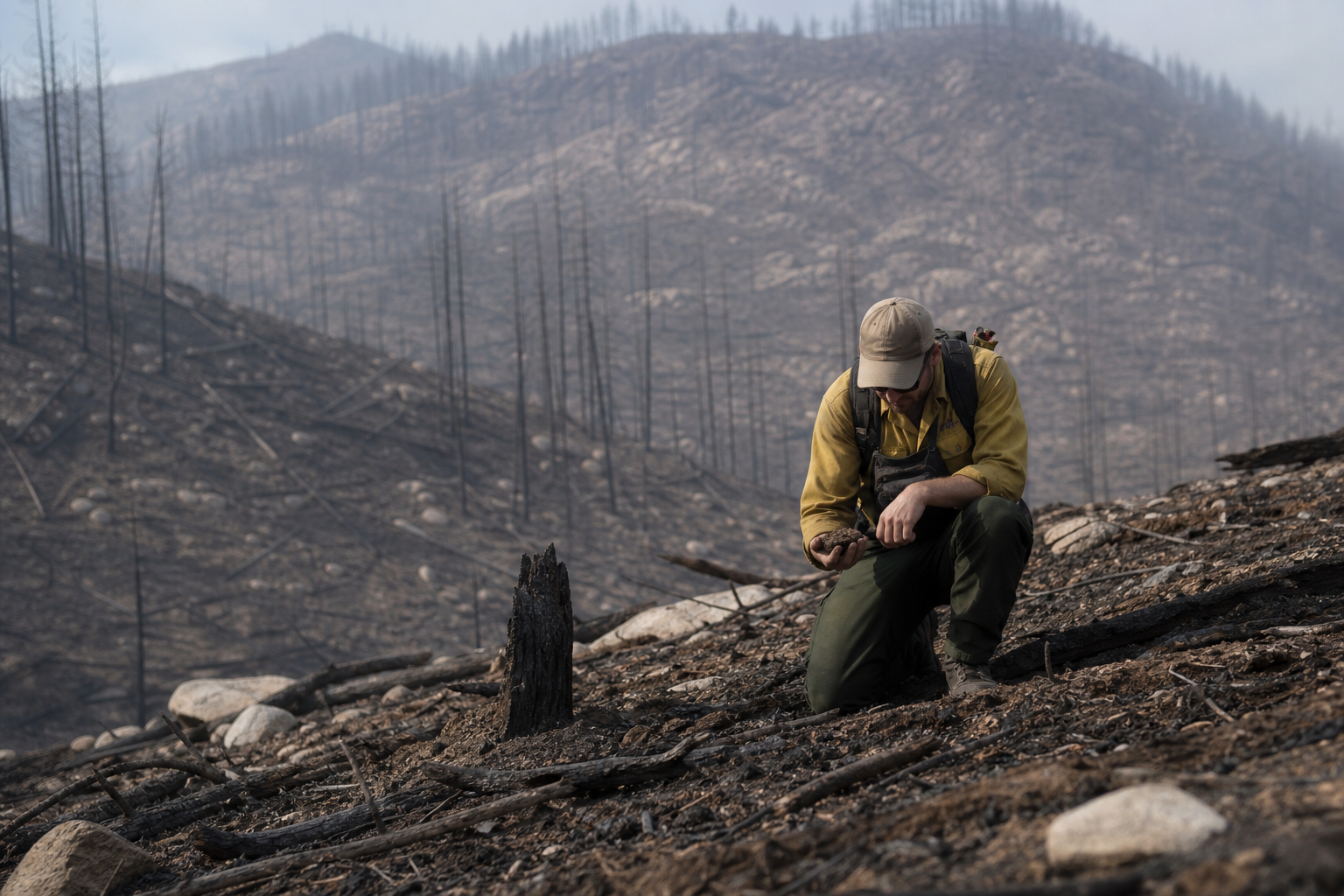
A structural shift is unfolding across the forest ecosystems of North America, as increasingly severe blazes alter the landscape faster than natural systems can recover. The development underscores global warnings regarding interconnected environmental crises. Research released by the United Nations University highlights how land degradation, biodiversity loss and accelerating climate shifts are linked, amplifying the frequency and impact of extreme environmental events. ## Why Are Forests Struggling? Traditional forest systems historically relied on low-intensity fires to clear underbrush and promote seed germination. However, changing climatic conditions have driven up temperatures and prolonged drought cycles, creating conditions for high-severity blazes. These intense fires burn hotter and cover wider areas, destroying seed sources and sterilising soil layers. Consequently, native tree species fail to re-establish, allowing shrublands and invasive grasses to replace once-dense pine and fir canopy ecosystems. The transition from mature forest to grassland carries long-term consequences for carbon sequestration. Large trees store substantial amounts of carbon dioxide, and their loss turns critical carbon sinks into net emissions sources during active burning phases. ## What Changes Now? The rising scale of forest loss is reshaping conservation strategies and resource allocation for emergency services. Environmental managers face increasing pressure to adopt proactive land management techniques, including prescribed burns and thinning, to reduce fuel loads before peak fire seasons. The ecological displacement also affects wildlife habitats, watershed protection and local economies dependent on forestry and ecotourism. Communities living near forest interfaces face heightened risks from runoff, landslides and post-fire flooding due to the loss of root structures that anchor topsoil. Substantial financial resources are being redirected toward post-fire restoration, though foresters caution that replanting efforts cannot easily replicate the structural complexity of old-growth forests lost to high-heat fires. ## What Comes Next? Policy discussions surrounding land management and emissions reduction are expected to intensify as fire seasons grow longer and more destructive. Federal and local agencies are tasked with updating predictive models to map high-risk zones and evaluate which forest ecosystems can be preserved versus those that may permanently transition into open brushland. International environmental bodies continue to call for coordinated policies that treat land management, climate mitigation and disaster response as a single operational challenge. Without sustained intervention and structural adaptations in forestry management, large swathes of traditional woodland remain vulnerable to permanent ecological transformation. (Nytimes)