Follow the Money: How Global Health Pledges Reach Outbreak Frontlines
International donor pledges during health emergencies face complex legal, administrative, and banking pipelines before funds reach active outbreak response teams on the ground.
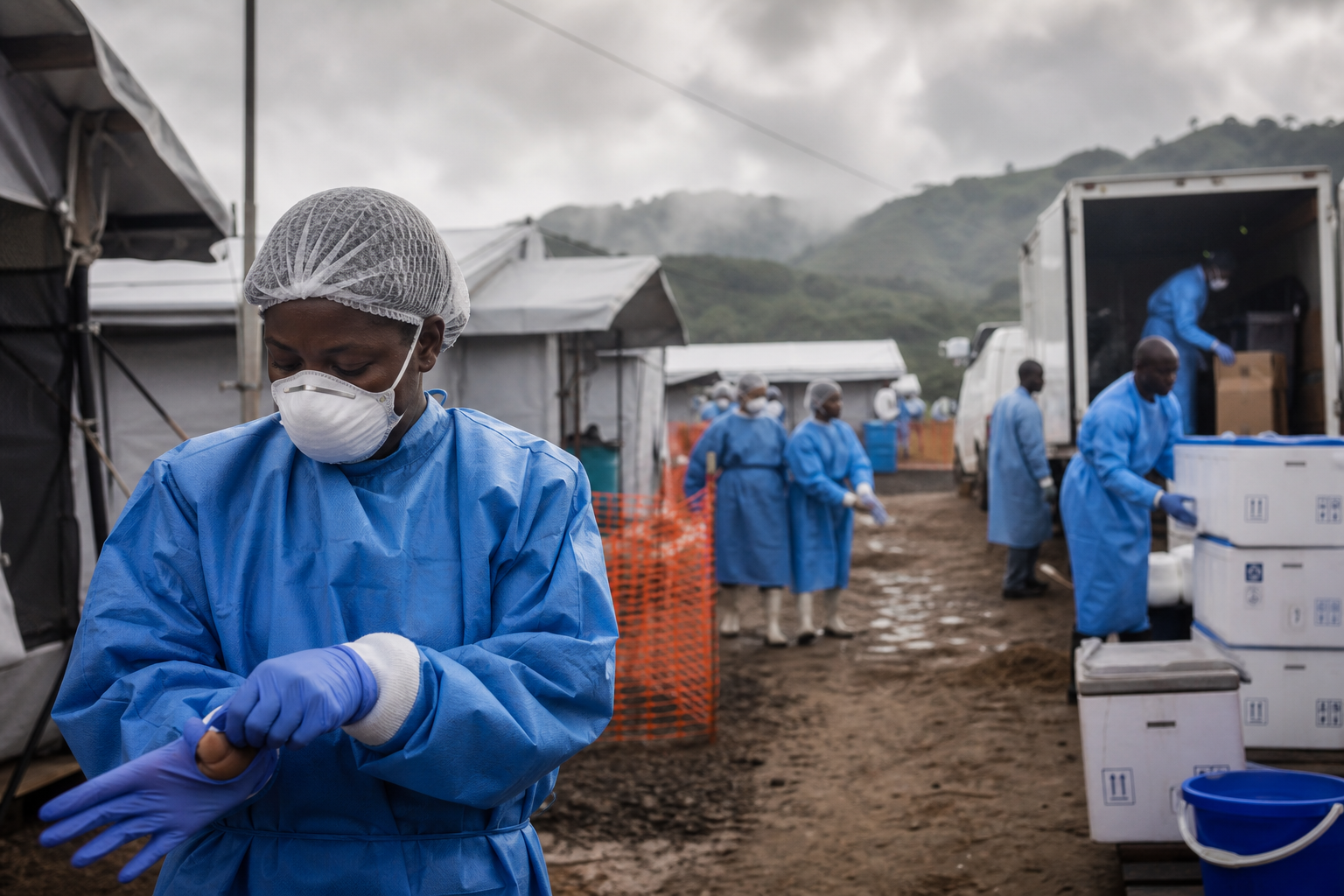
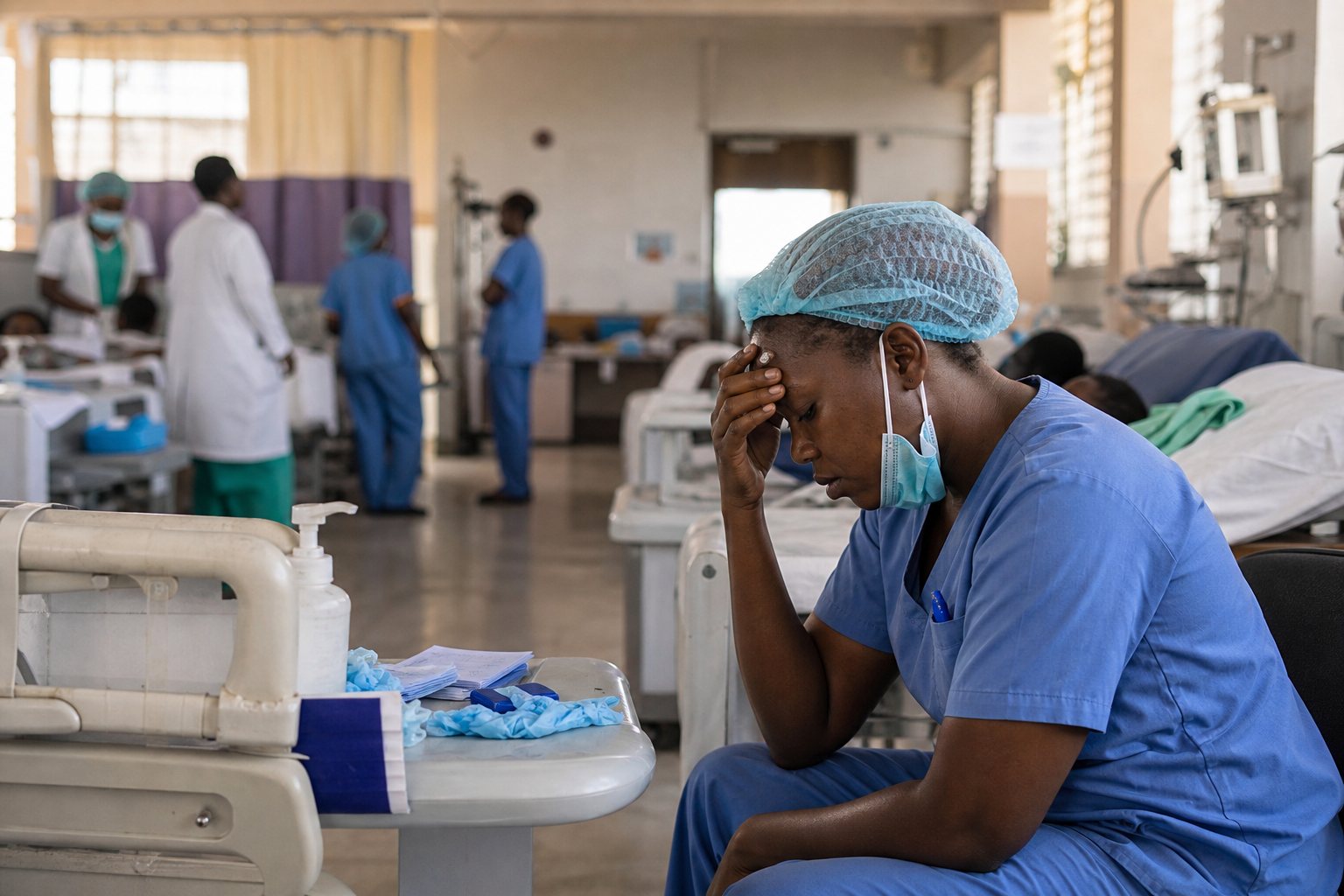
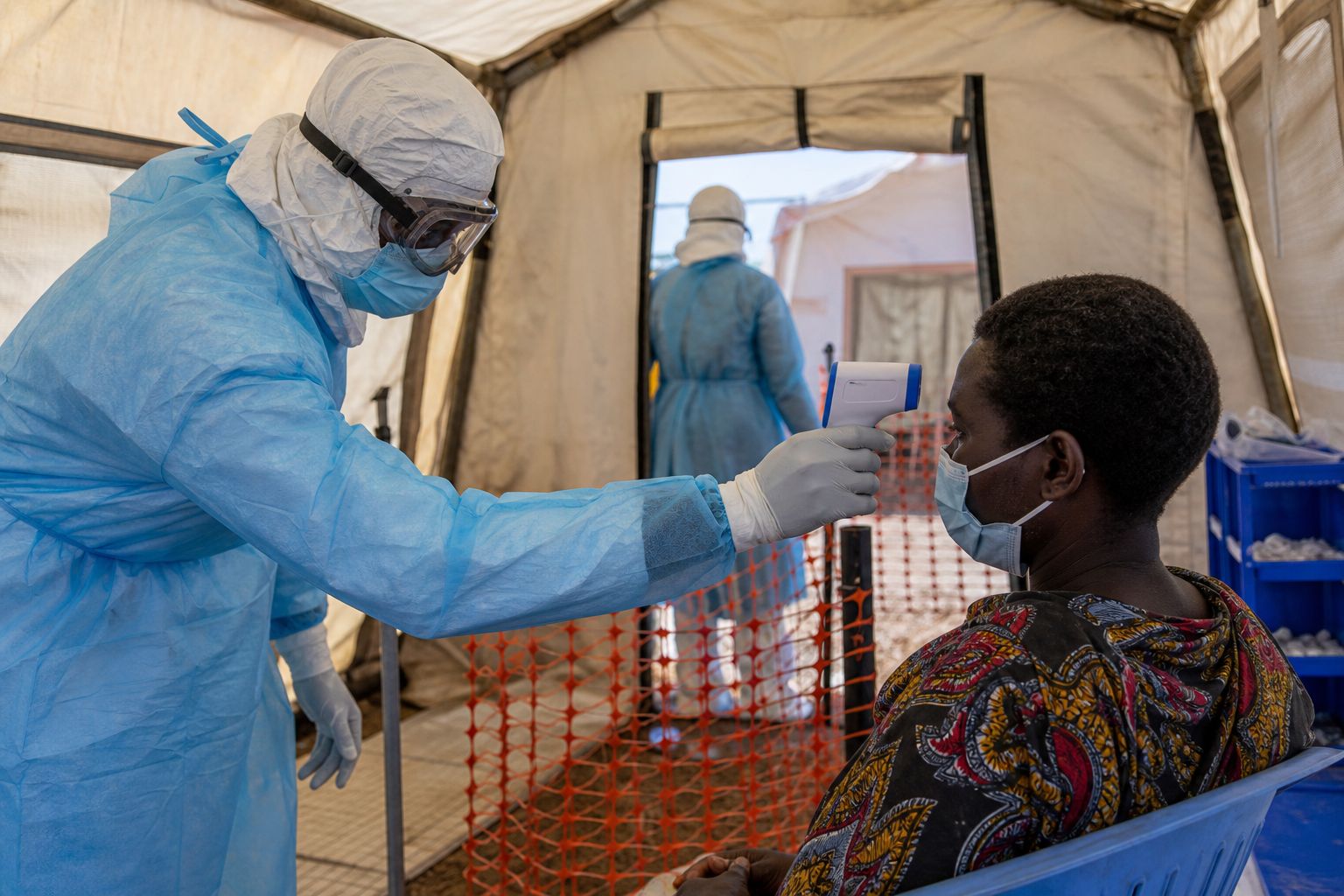
Emergency health funding often moves along a pipeline that slows down between a public pledge and real-world delivery. When international donors announce commitments during a public health crisis, those figures represent financial promises rather than immediate bank transfers. Moving funds from donor treasuries to operational teams requires complex legal agreements, administrative clearances, and oversight frameworks. This structural gap explains why global response efforts frequently experience operational delays, even after high-profile funding summits report success. ## How Pledges Work? The process begins with an emergency appeal, usually issued by multilateral health agencies or host governments. Donors respond with financial commitments, but these pledges are non-binding announcements rather than cash on hand. Before any money is transferred, donor governments and international agencies must negotiate bilateral grant agreements. These contracts specify allowable expenditures, accounting standards, procurement rules, and reporting schedules. When response efforts involve multiple funding channels, legal teams must reconcile conflicting donor conditions, creating significant administrative backlogs. ## Where Delays Happen? Once formal agreements are signed, funds move through intermediary multilateral institutions or non-governmental organisations before reaching national response treasuries. Each layer of transfer introduces compliance checks to prevent corruption and verify financial governance. In complex emergency operational environments, such as the Ebola outbreak response in the Democratic Republic of Congo, funds must also navigate local banking limitations and currency conversion requirements before reaching health workers. ## Who Pays Frontline Costs? While international aid moves through legal and banking channels, immediate frontline expenses remain continuous. Local health facilities must source basic supplies, maintain sanitation infrastructure, and pay healthcare personnel. When formal disbursements stall, local health authorities and international non-governmental organisations rely on short-term credit lines or bridge financing. If those reserves run dry, frontline facilities often face severe operational shortages before pledged international aid arrives. This gap forces field operators to prioritize basic operational needs over long-term infrastructure investment during active response efforts. ## What Changes Next? Global public health institutions are piloting pre-approved financing mechanisms to reduce disbursement timelines. These systems use predefined health triggers to release funds automatically, skipping the traditional post-outbreak pledging cycle. Regional public health agencies across Africa are also pushing for direct capitalization of local emergency funds. Establishing regional reserves reduces dependence on distant donor clearinghouses during initial crisis response phases. The success of these reforms depends on whether donor nations agree to commit unallocated capital before outbreaks occur, replacing reactive pledges with permanently available cash.