Addressing Public Health Gaps: How Mass Screenings Support Dar es Salaam
Free community health drives continue to draw thousands of urban residents across East Africa, exposing both the high demand for preventative care and the ongoing pressures on static medical facilities.
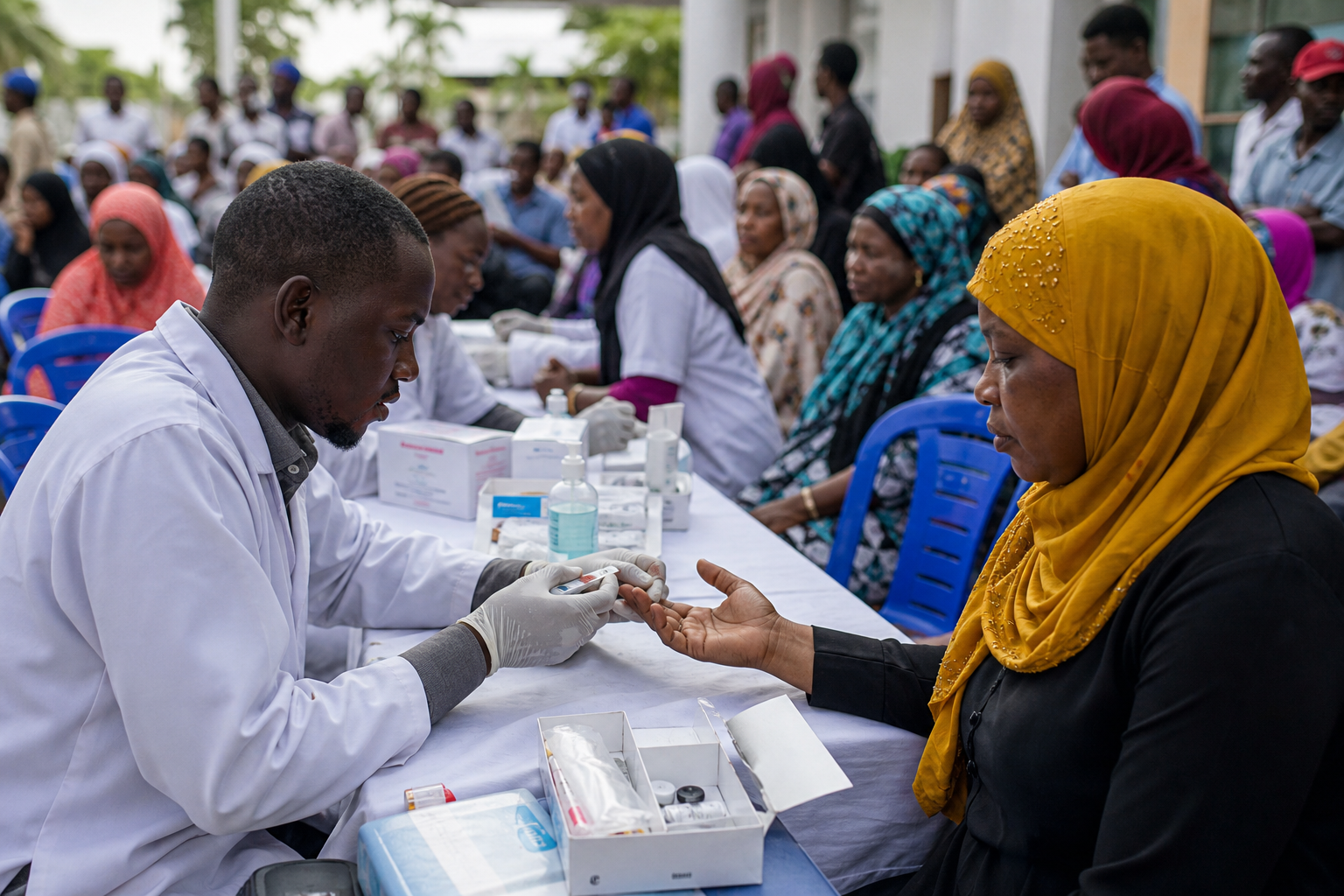
Mass screening campaigns are increasingly functioning as a critical bridge between public demand for medical services and the structural limits of fixed healthcare infrastructure in East Africa. When temporary camps pop up in urban hubs, they frequently pull thousands of residents who otherwise delay routine medical check-ups due to financial, diagnostic, or logistical barriers.
Understanding how these pop-up facilities operate sheds light on the broader pressures facing municipal health systems, where primary care facilities often struggle with patient overcapacity and equipment shortages.
What Drives High Screening Attendance?
Urban centres like Dar es Salaam present a complex public health dynamic. Rapid population growth places continuous strain on public hospitals and dispensaries, creating long waiting times and potential out-of-pocket costs for diagnostic services.
Temporary health camps address these friction points by decentralising diagnostic services. By offering targeted testing in easily accessible public spaces, free camps remove initial cost barriers and eliminate the travel time required to reach tertiary hospitals.
The Citizen reported that a recent free health camp in Dar es Salaam conducted screenings for more than 9,500 people. Massive turnouts at these events highlight a significant latent demand for preventative care across urban communities.
What Services Are Delivered?
Mass screening events typically concentrate on early detection and preventative advice rather than long-term complex treatment. Organisers generally structure these camps to cover high-prevalence conditions that can be managed effectively if identified early.
Key health interventions provided at pop-up health camps standardly include:
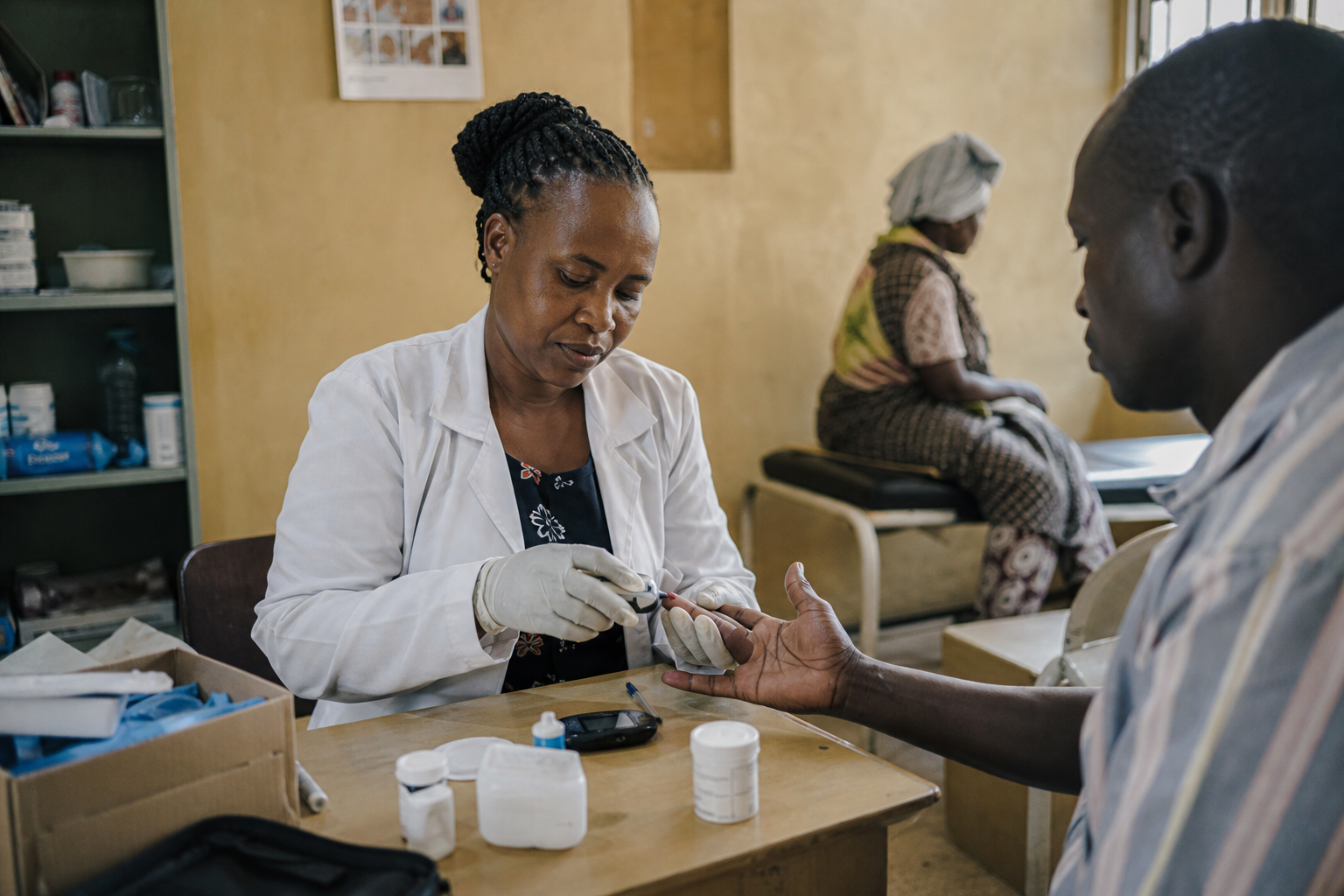
- Non-Communicable Disease Screening: Checking blood pressure and blood glucose levels to identify unmanaged hypertension and diabetes.
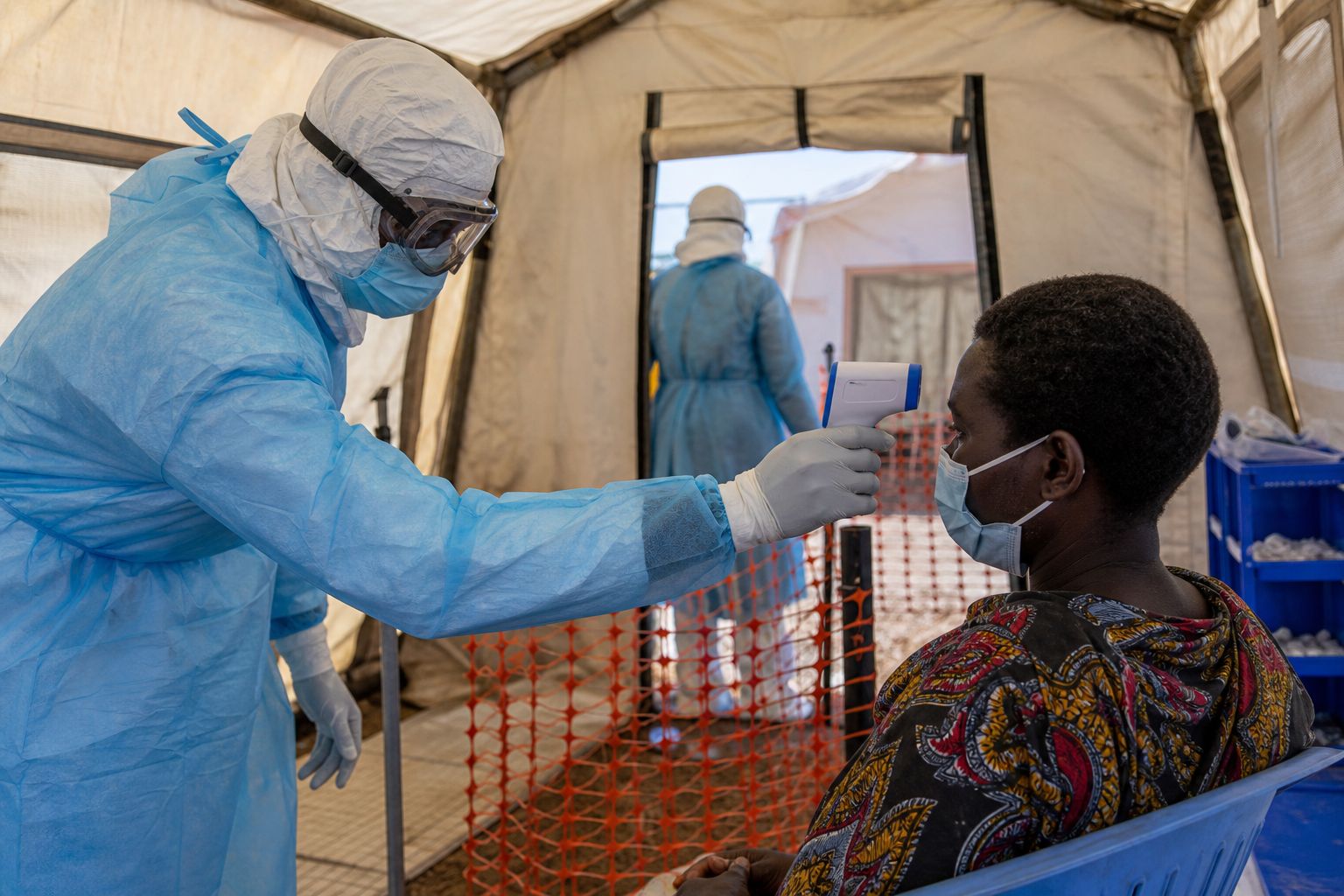
- Infectious Disease Testing: Rapid testing for malaria, HIV, and respiratory conditions.
- Vision and Dental Checks: Basic screenings to identify refractive errors, cataracts, or oral hygiene issues.
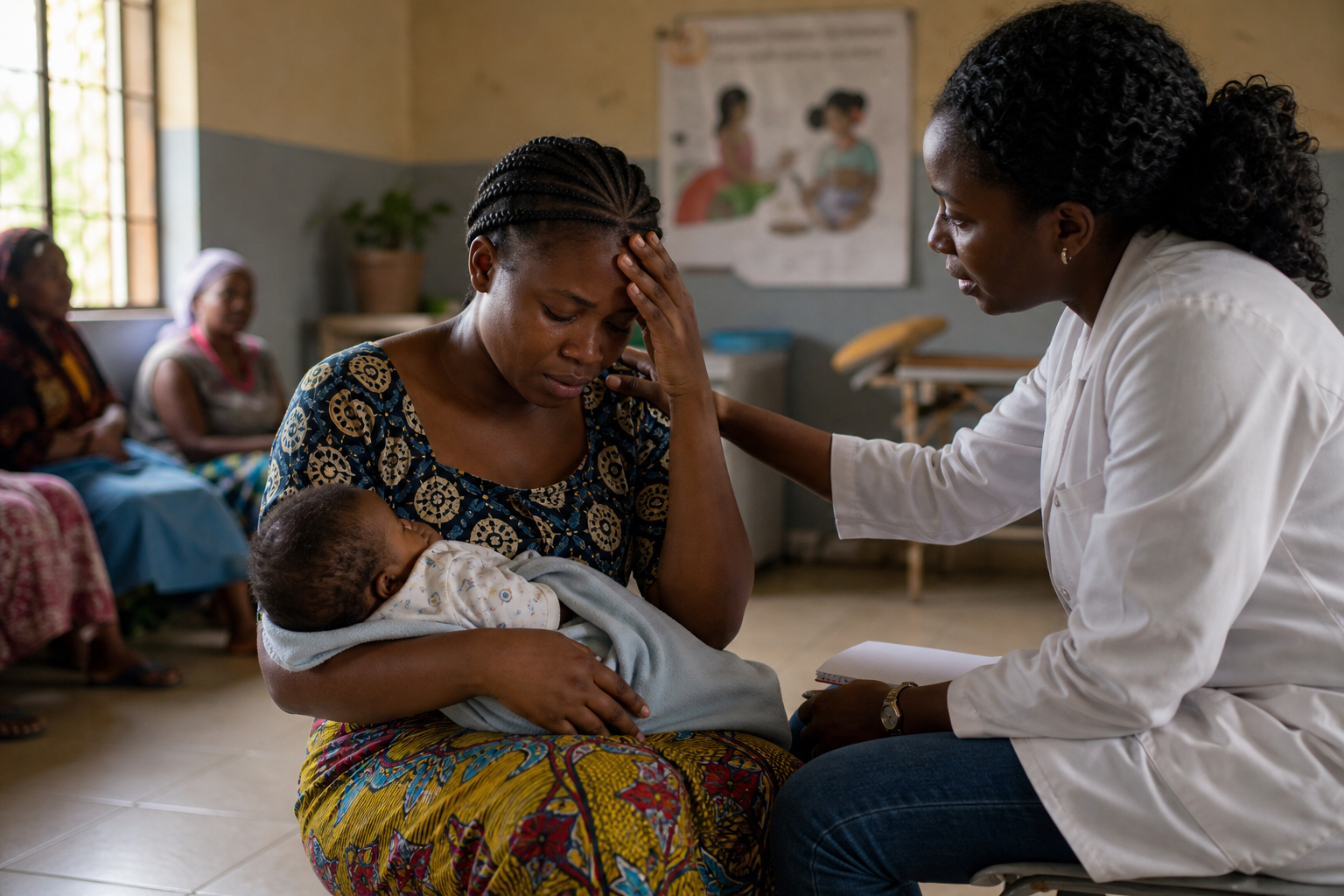
- Maternal and Child Health Consultations: Growth monitoring, basic nutritional assessments, and routine wellness check-ups.
By catching chronic conditions early, these screenings help prevent sudden health crises that require expensive emergency care at major medical centers.
How Do Camps Impact Local Systems?
While mass screenings provide immediate relief to thousands of individuals, public health experts note that temporary camps represent a triage mechanism rather than a permanent substitute for robust primary healthcare systems.
M360 News · At a glance
Mass Screenings vs Primary Healthcare
- Mass Health Camps Static Health Infrastructure
- Immediate, free access • Continuous, long-term care
- High-volume diagnostic triage • Patient record retention
- Temporary community presence • Specialized treatment pathways
The fundamental challenge for health authorities lies in managing the transition from screening to care. A high volume of positive screenings requires a reliable referral pipeline into permanent clinics. If the existing public health infrastructure lacks the capacity, staff, or medicines to absorb these newly diagnosed patients, the long-term benefit of early detection is reduced.
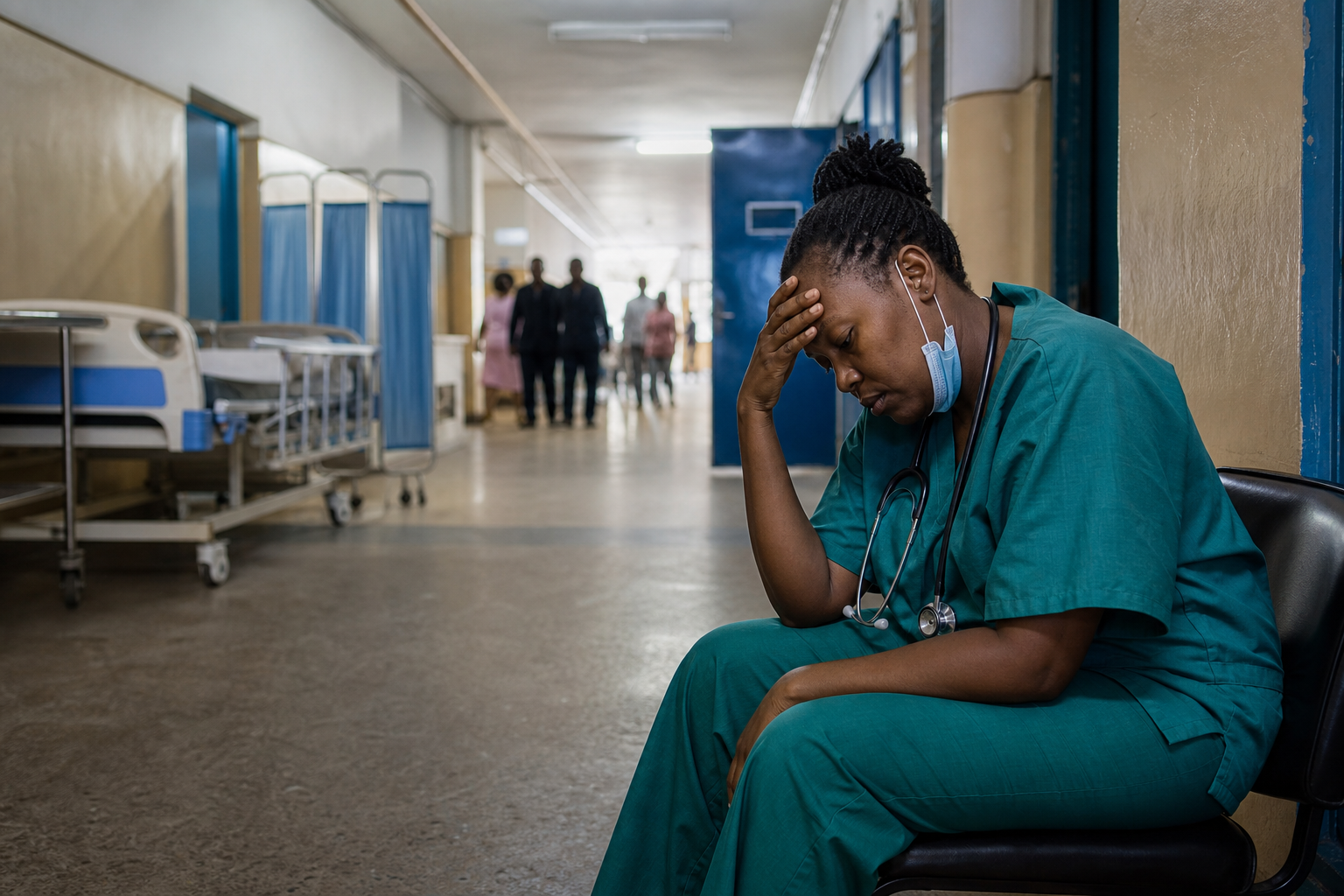
Systemic gaps in healthcare facilities remain a broader global issue.
What Happens Next?
The reliance on mass screening events in regional economic hubs highlights the ongoing shift toward preventative public health strategies across East Africa. Regional municipal authorities and non-governmental partners are increasingly looking at ways to integrate data gathered during these short-term campaigns into national health planning.
To maximise the value of high-attendance events, health agencies are working to strengthen patient tracking systems, ensuring individuals diagnosed during temporary drives receive sustained follow-up care at their local neighborhood dispensaries.