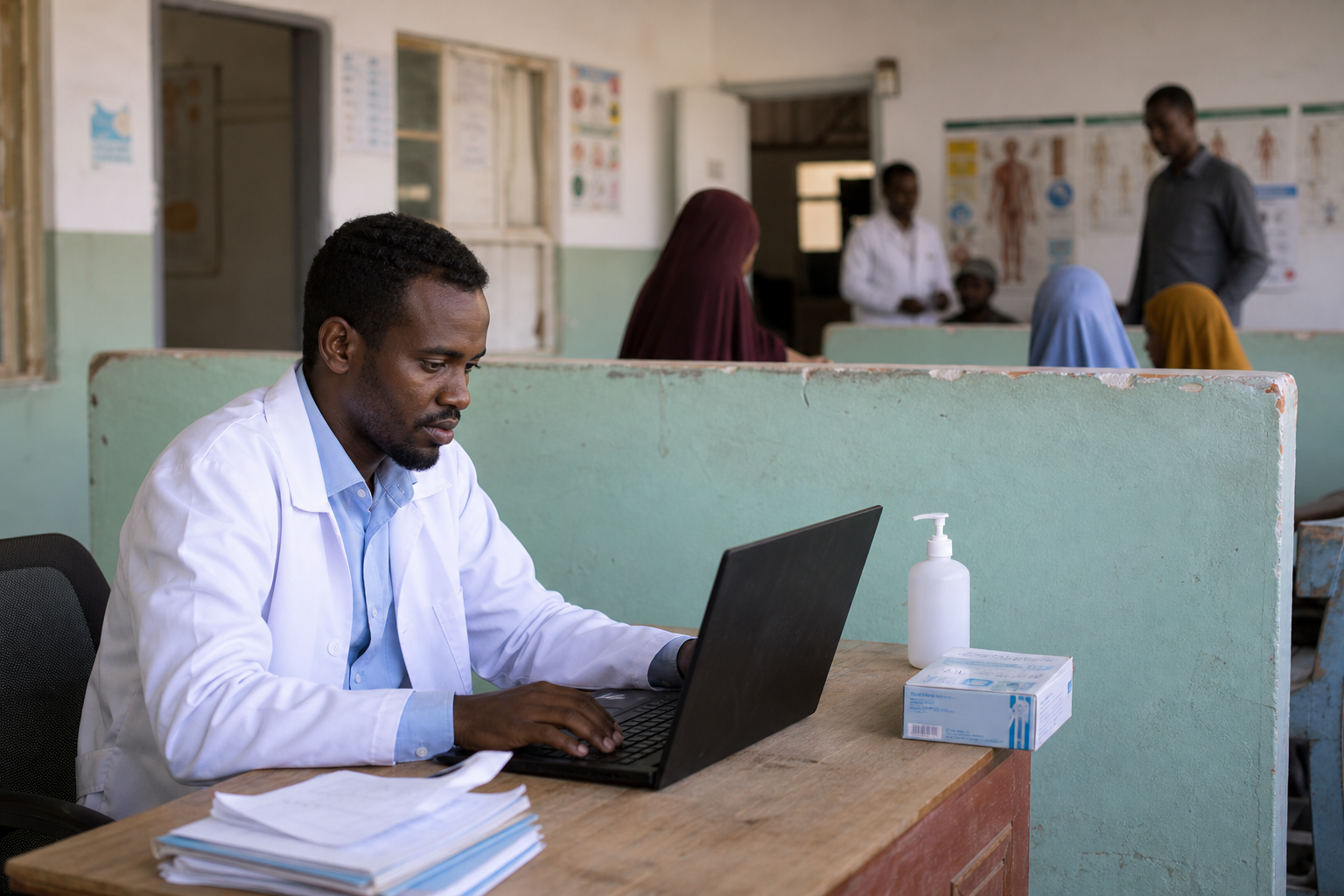
Containing Severe Pathogens: How the Deadliest Outbreaks Can Be Stopped
Controlling lethal viral outbreaks requires rapid medical isolation, secure sanitation standards, and deep community cooperation to break transmission chains.
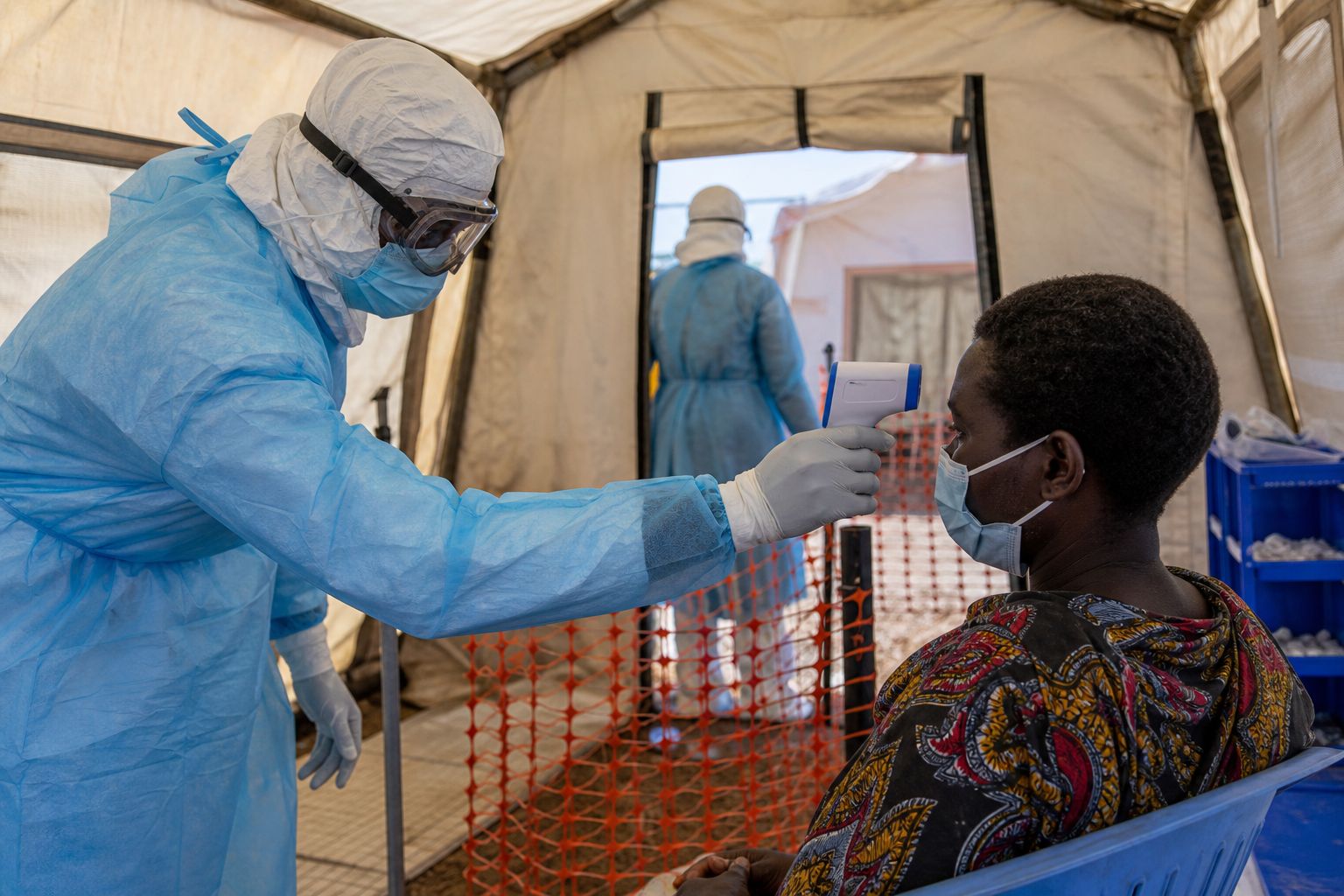
Containing highly lethal viral outbreaks requires rapid public health intervention, strict barrier nursing, and immediate community trust. The management of severe viral threats, such as the Bundibugyo Ebola virus strain, highlights how critical early containment measures are to preventing regional health crises.
When dangerous pathogens emerge, response teams face severe operational hurdles, ranging from local logistics to public hesitancy. Containment strategies must address both medical treatment and community engagement to halt the chain of transmission.
Health experts emphasize that stopping aggressive viral strains depends heavily on robust contact tracing, rapid isolation of suspected cases, and standardizing infection prevention standards across regional healthcare facilities.
How Do Outbreaks Spread?
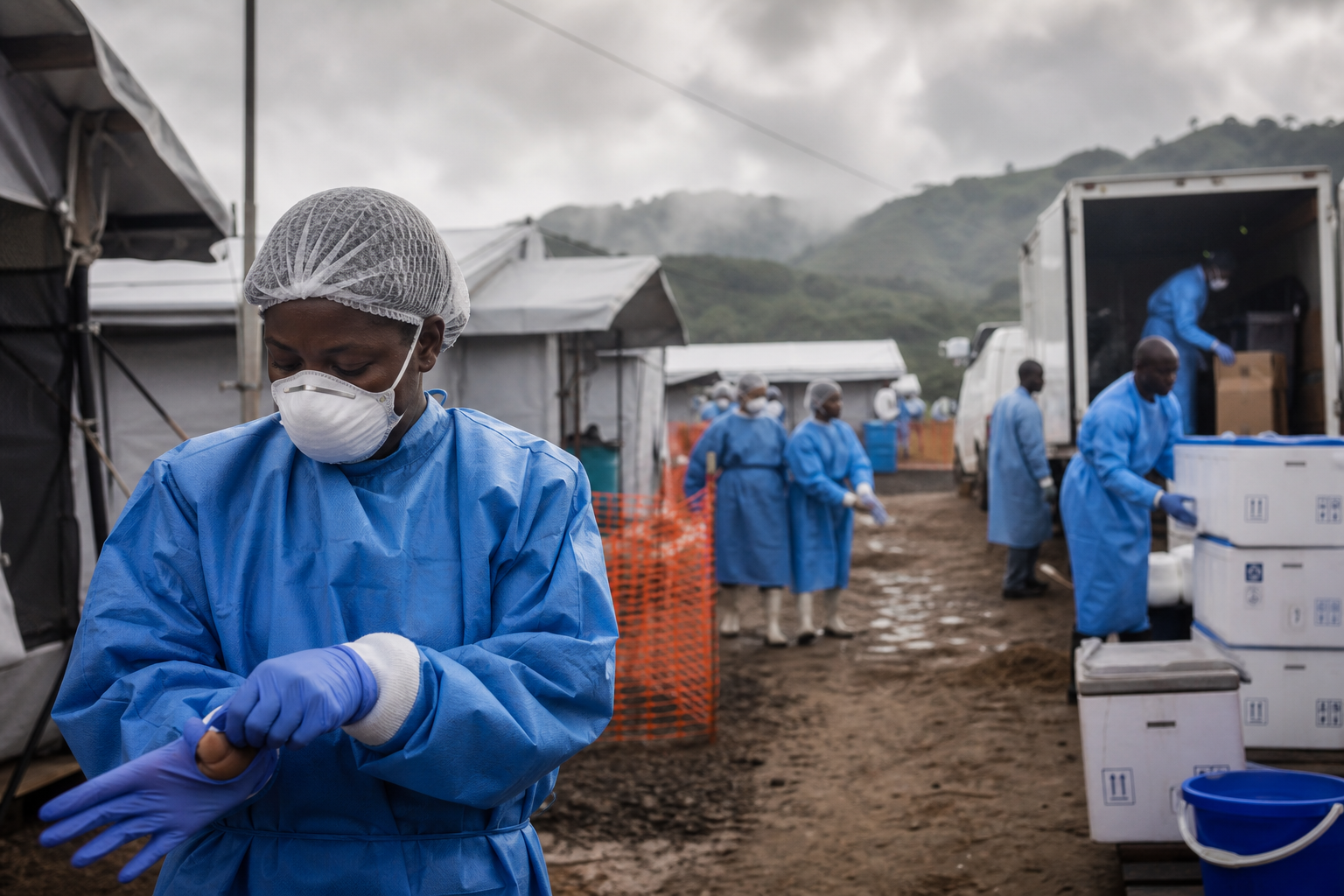
Pathogens like the Ebola virus spread primarily through direct contact with infected bodily fluids or contaminated surfaces. In rural or resource-constrained settings, healthcare workers often face heightened exposure risks without immediate access to personal protective equipment (PPE).
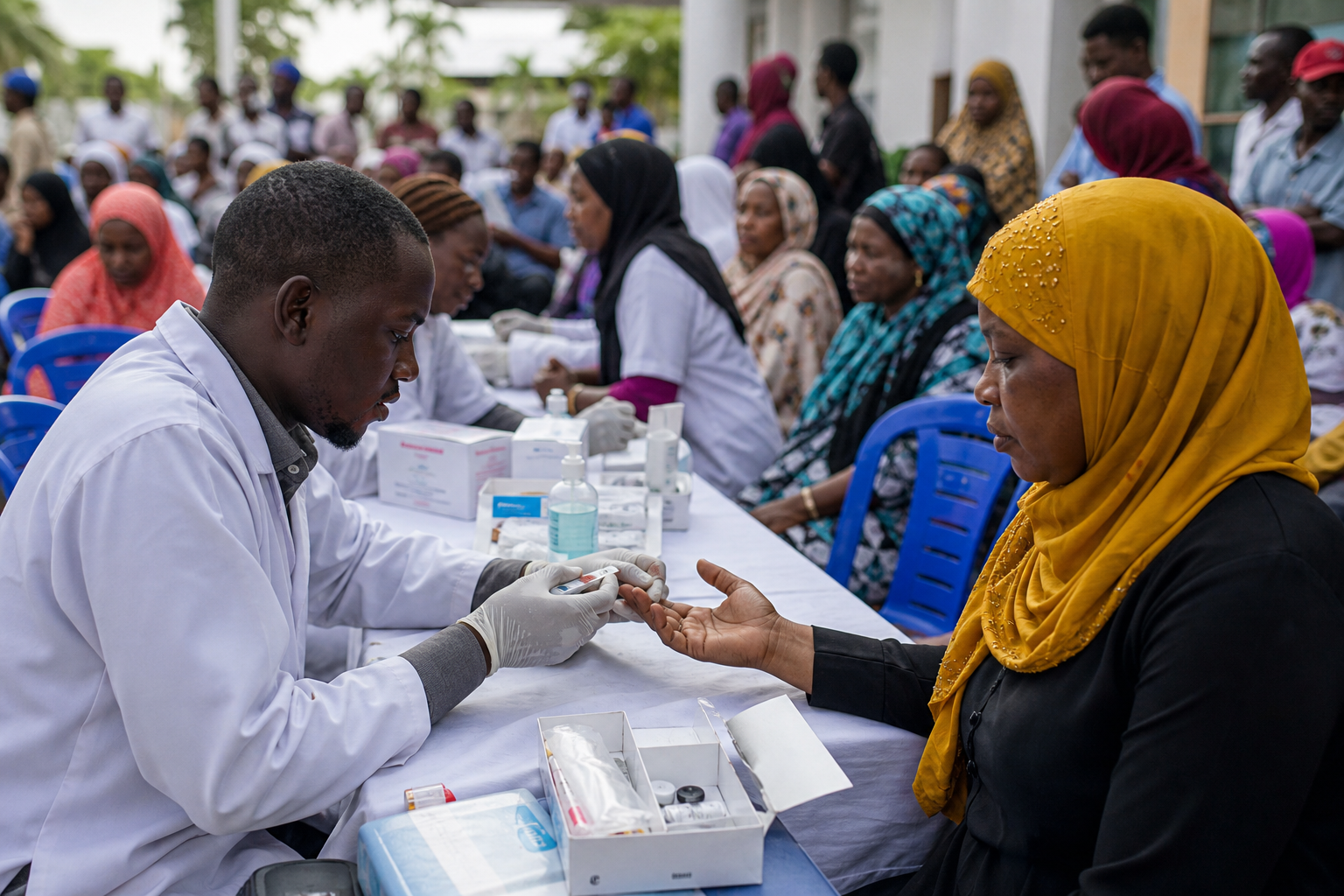
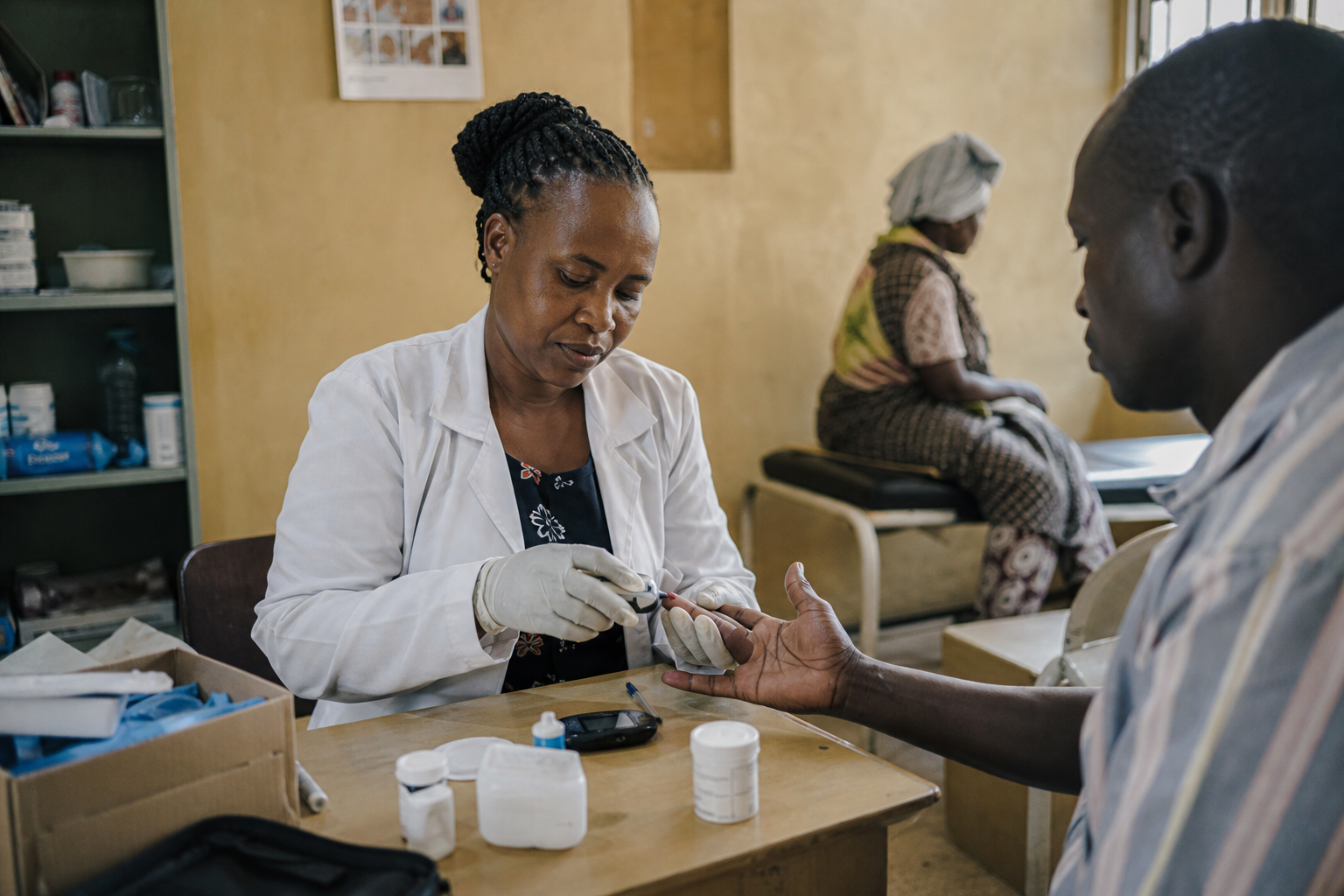
Unprepared health facilities can inadvertently become amplifiers of infection. Ensuring that rural clinics receive immediate diagnostic support and adequate barrier equipment remains the primary defense against early community transmission.
Containment protocols require health personnel to establish triage points outside major clinical facilities. Isolating suspected patients prior to admission prevents cross-contamination within general hospital wards.
Why Does Community Trust Matter?
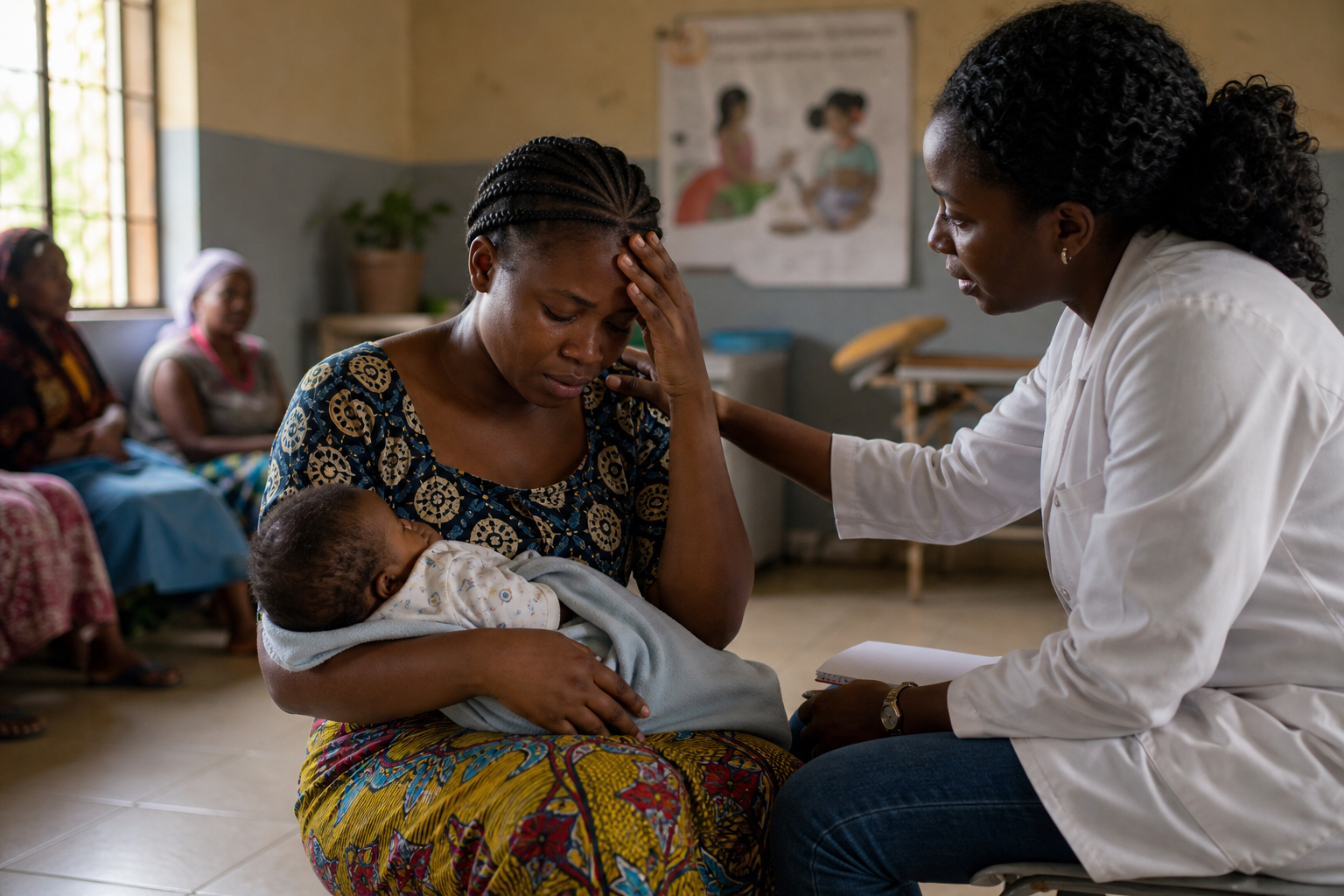
Medical interventions frequently falter if local communities view emergency health teams with suspicion. Public health communication must explain safety protocols while respecting local customs, particularly regarding burial practices.
Traditional mourning rituals involving physical contact with the deceased carry high transmission risks. Public health authorities must work alongside local leaders to introduce safe alternative burial procedures that prevent viral spread without causing social friction.
Without active community participation, contact tracing efforts become unreliable. When residents understand the transmission pathways, they are far more likely to self-report symptoms and cooperate with surveillance teams.
What Are Strategic Priorities?
Effective management of viral outbreaks relies on four core containment pillars:
- Surveillance and Tracing: Tracking every individual who came into contact with a confirmed case for the full incubation period.
- Rapid Isolation: Establishing clean treatment units to house patients safely while delivering supportive care.
- Safe Burials: Deploying trained teams to handle deceased patients using strict biohazard precautions.
- Health Facility Safety: Supplying clinics with proper sanitation infrastructure, clean water, and continuous PPE supplies.
Strengthening baseline healthcare capacity remains essential for long-term health security. Enhancing emergency preparedness allows national health systems to contain localized outbreaks before they expand into international threats.
What Happens Next?
Regional health networks continue to monitor viral mutation risks and maintain emergency response protocols across vulnerable districts. Building resilient primary healthcare systems, supported by real-time epidemiological tracking, is the key focus for international health bodies.
Investments in localized diagnostic capability and community-led response teams remain the primary model for containing high-consequence pathogens across East Africa and beyond.