Beyond the Conference Room: Why Kenya’s Diabetes Burden Is Still Growing
Addressing Kenya's rising diabetes burden requires moving beyond high-level policy meetings to fix structural breakdowns in diagnostics, drug supply chains, and primary care financing.
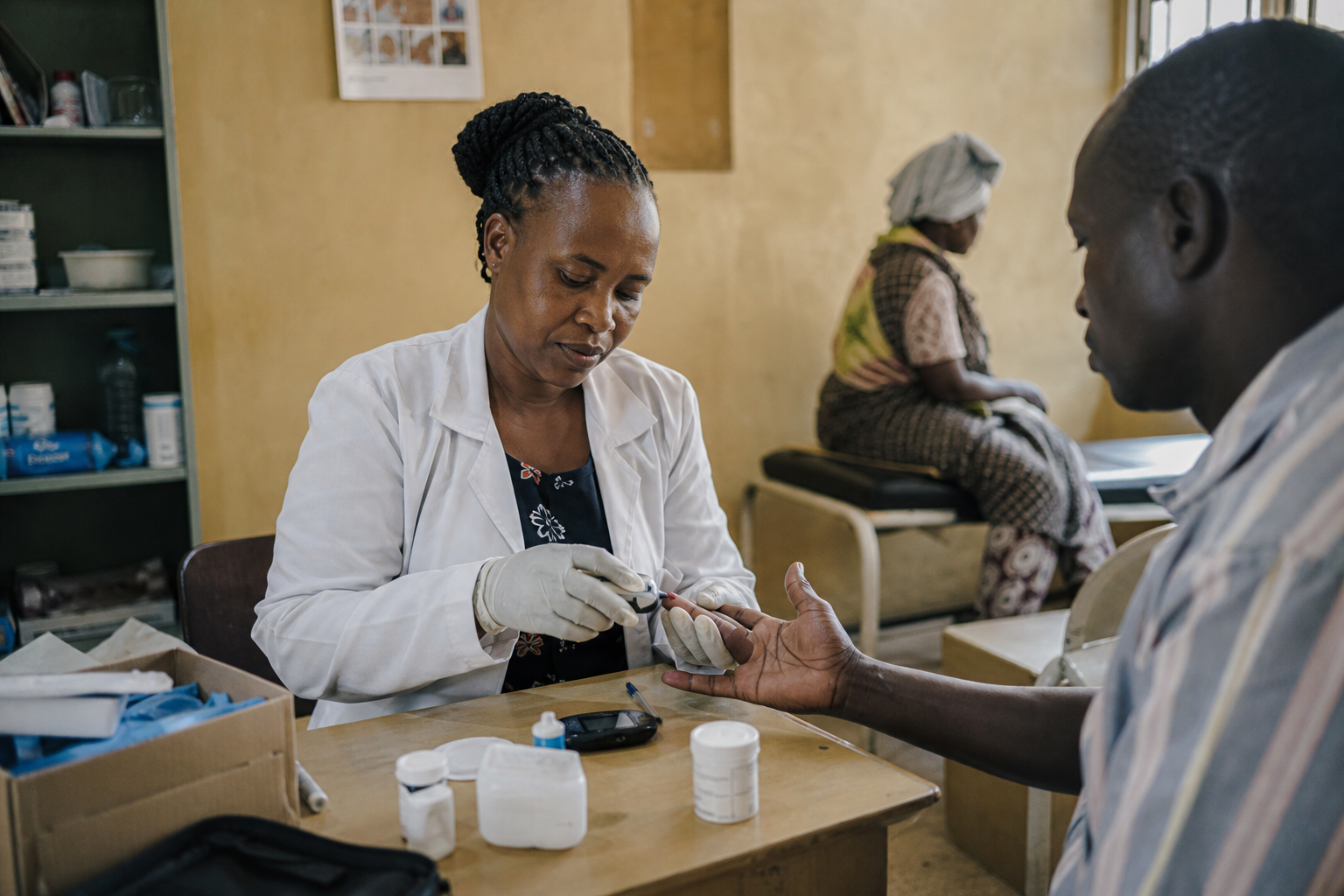
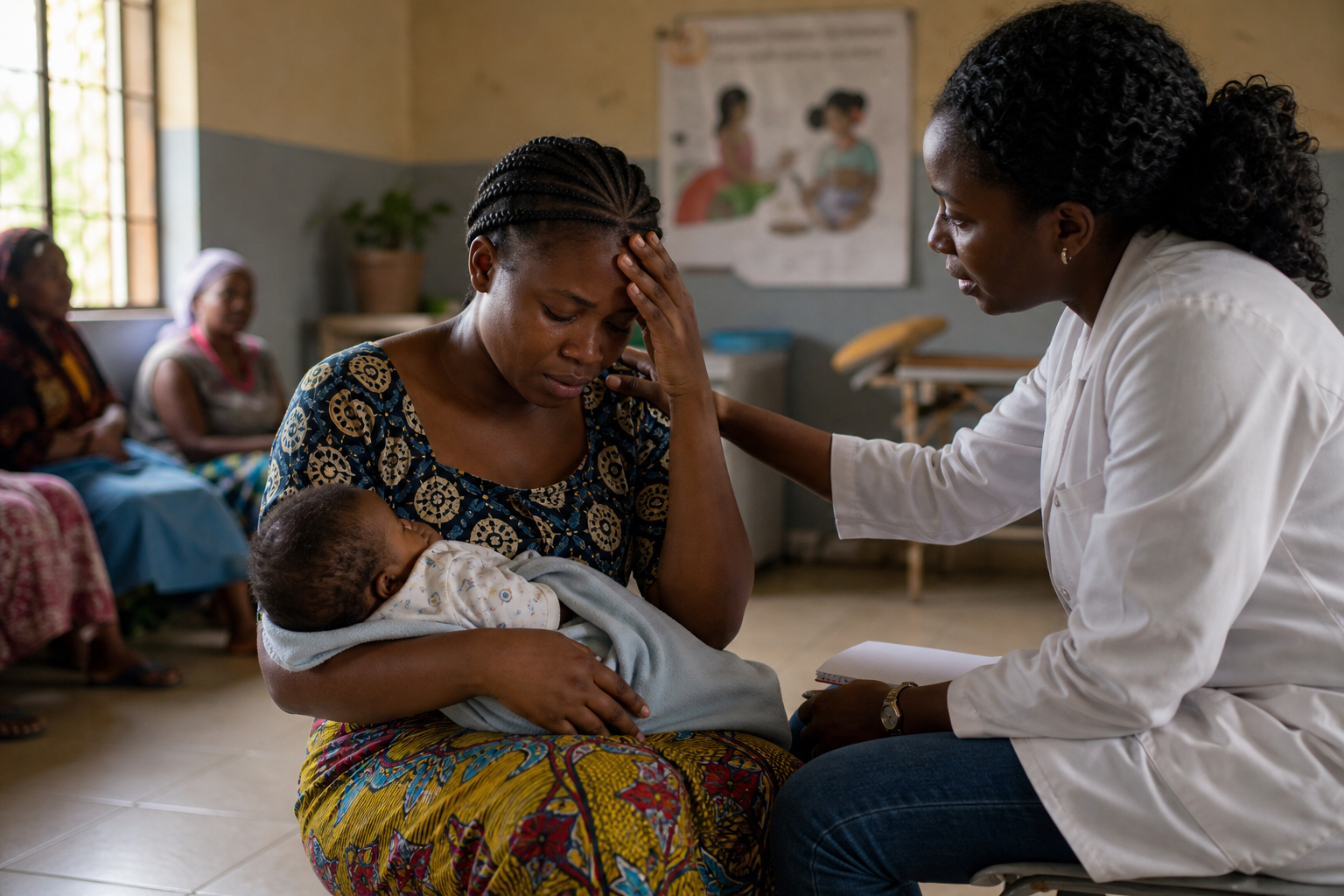
Kenya is facing a growing burden of non-communicable diseases (NCDs), with conditions such as diabetes placing severe pressure on families and the public healthcare sector.
While policy dialogues and stakeholder gatherings continue to highlight the crisis, systemic gaps in infrastructure, screening, and supply chains mean that clinical outcomes on the ground remain largely unchanged for vulnerable populations.
Addressing the rising prevalence of chronic conditions requires looking past high-level convenings to examine the structural obstacles that hinder everyday patient care across the country.
What Drives The Gap?
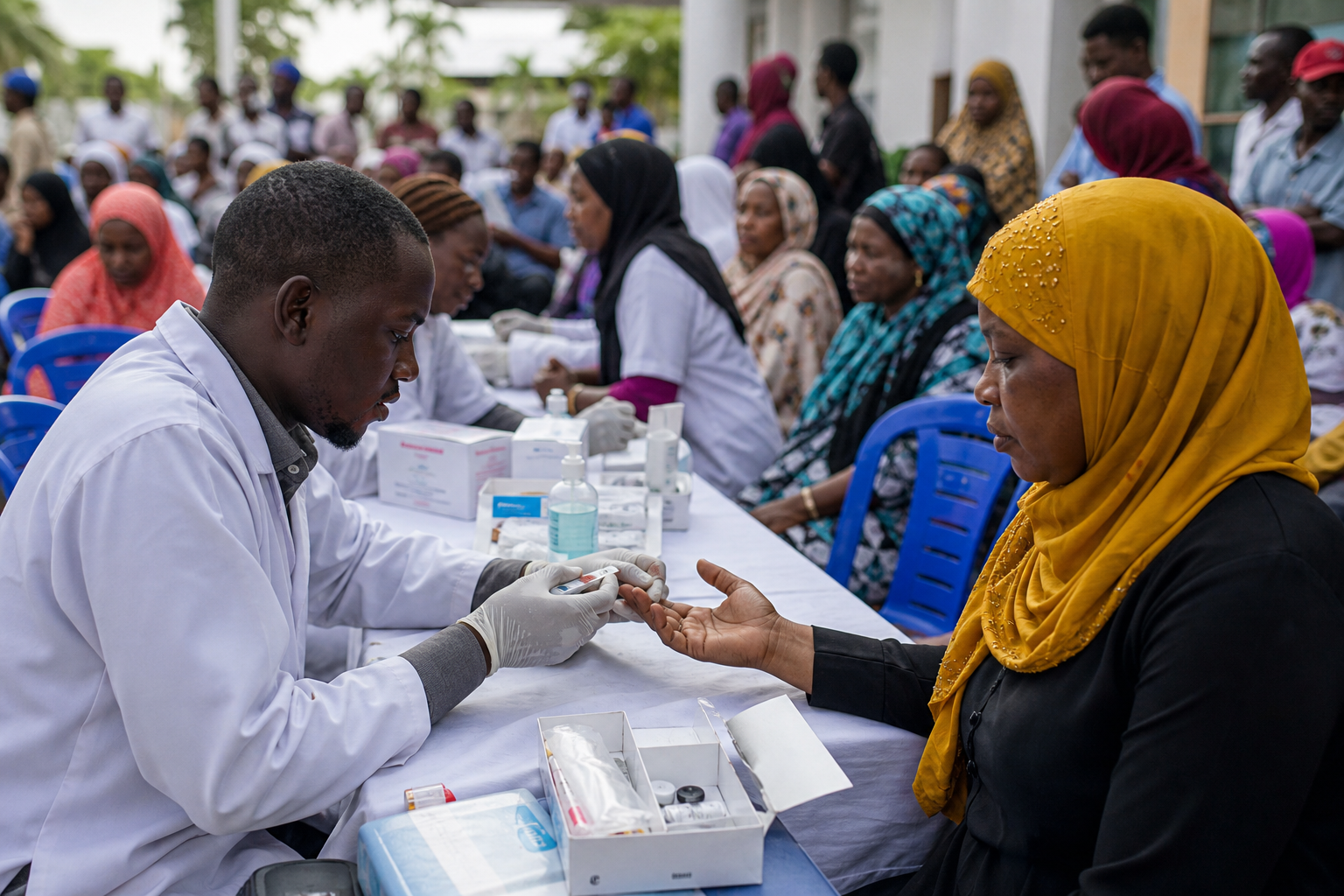
A primary obstacle in managing diabetes and other non-communicable diseases in Kenya is the limited availability of early diagnostic services at the community level. Primary healthcare facilities, particularly in rural and low-income urban settings, frequently lack basic testing equipment, reliable diagnostic reagents, and trained medical personnel.
As a result, a significant proportion of patients receive a diagnosis only after severe complications, such as cardiovascular damage or renal failure, have already developed.
This late detection significantly increases the complexity and cost of treatment, placing a heavy financial strain on household budgets and state resources alike.
How Supply Chains Fail?
Even when a diagnosis is made, patients routinely encounter severe disruptions in medication supply chains within the public health sector. Insulin and essential oral hypoglycaemic drugs are subject to recurrent stock-outs at county-level medical facilities.
These supply lapses force patients to purchase medications from commercial retail pharmacies, where prices can be prohibitively high for low-income households.
The inability to maintain consistent treatment regimens leads to poorly managed blood glucose levels, accelerating the onset of long-term health complications.
What Financial Barriers Exist?
The cost of long-term NCD management remains a major driver of poverty in Kenya. Chronic care requires lifelong access to therapeutics, routine laboratory monitoring, and specialized consultations.
Although public healthcare financing mechanisms are undergoing reform, coverage gaps for chronic outpatient care persist.
Out-of-pocket medical expenditure remains common, forcing families to make trade-offs between essential living expenses and consistent medical treatment.
What Changes Are Needed?
Health sector convenings continue to provide a platform for policy discussion.
However, healthcare experts note that technical meetings must translate into sustained operational investments. Closing the gap requires decentralising NCD management into primary healthcare networks, stabilizing pharmaceutical supply systems, and expanding health coverage to absorb the costs of chronic disease care.
What Comes Next?
Kenya's health policy landscape is increasingly focused on strengthening primary care networks to curb the impact of non-communicable diseases.
Without targeted capital allocation, decentralized diagnostic testing, and reliable drug supply chains, the operational reality for diabetes patients will remain constrained.
The long-term trajectory of Kenya's NCD burden will depend on moving beyond policy discourse to deliver functional, affordable, and continuous care at the facility level.