A Delicate Balance: How Kenyan Law Governs Essential Service Strikes
When healthcare workers issue strike notices, statutory limits and constitutional protections collide. Here is how Kenya's legal framework regulates industrial action in essential services.

Industrial disputes in Kenya's health sector routinely bring the constitutional right to strike into direct conflict with the state's obligation to protect public life.
When public sector health workers withhold their labour, legal mechanisms kick in to regulate how industrial action is conducted, particularly within institutions classified as essential services.
Under Kenyan employment law, the right to go on strike is enshrined in Article 41 of the 2010 Constitution. However, this right is not absolute. Section 78 of the Labour Relations Act explicitly restricts industrial action among employees who provide essential services, defined as those whose interruption would endanger the life, personal safety, or health of the whole or part of the population.
What Laws Apply?
The legal statutory framework governing essential service disputes relies heavily on structured conciliation before any work stoppage can legally occur.
Under the Labour Relations Act, a trade union representing essential service workers must issue a formal 7-day notice of intention to strike to both the employer and the Cabinet Secretary responsible for labour matters.
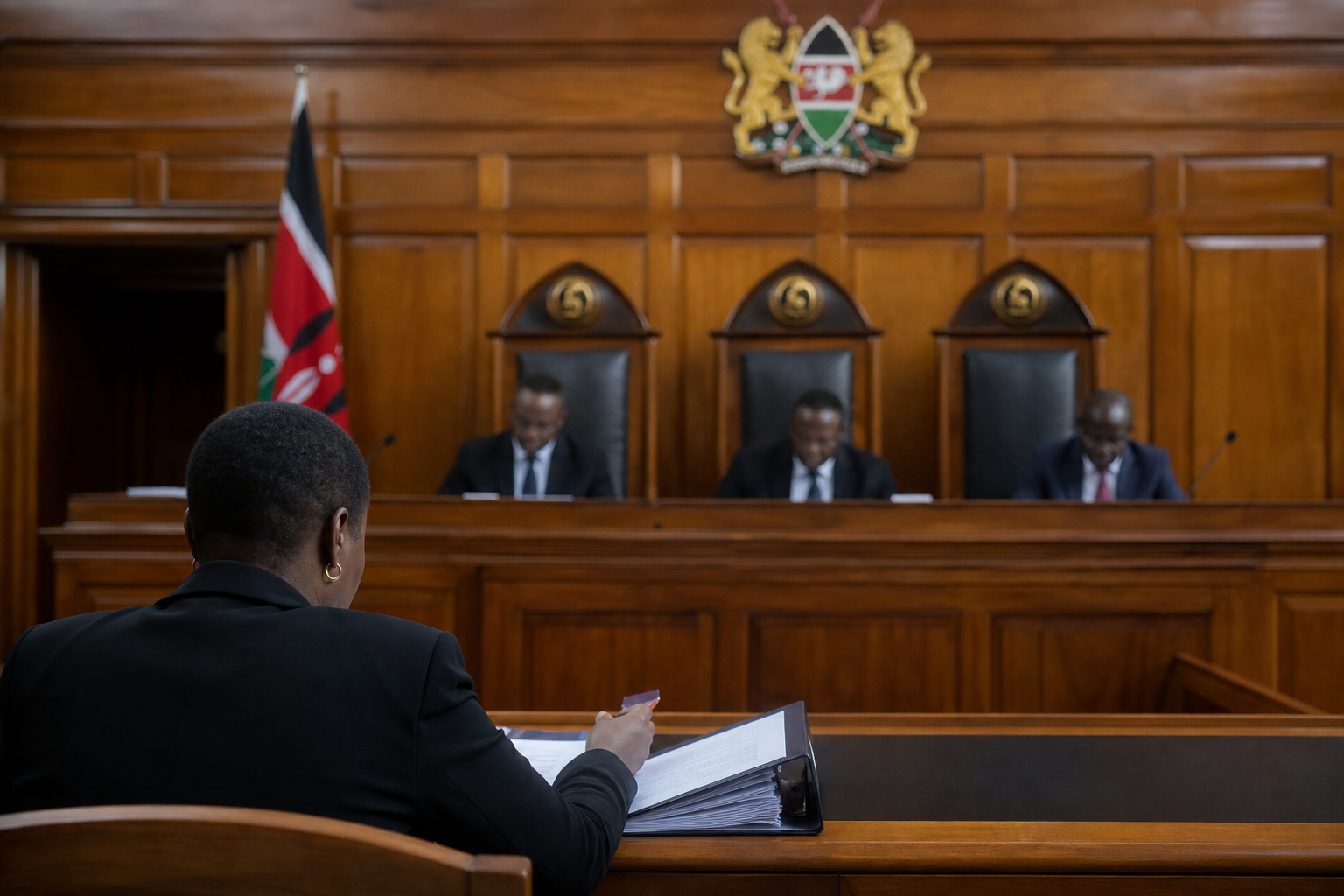
During or following this notice period, the dispute is subject to compulsory conciliation. The labour minister or the Employment and Labour Relations Court (ELRC) can appoint a conciliator to facilitate negotiations between the union and the employer.
If conciliation fails to yield an agreement, the dispute must be referred to the ELRC for adjudication. Work stoppages that take place without adhering to these statutory conciliation steps or in defiance of court orders are routinely declared illegal by the judiciary.
┌─────────────────────────────────────────────────────────────┐
│ STRIKE NOTICE PROCESS IN KENYA │
├─────────────────────────────────────────────────────────────┤
│ 1. Formal Dispute Registration │
│ └─ Trade union files grievance with Labour Ministry │
│ │
│ 2. Statutory 7-Day Strike Notice │
│ └─ Issued to employer and Labour Cabinet Secretary │
│ │
│ 3. Compulsory Conciliation Period │
│ └─ Court/Ministry appoints conciliator for talks │
│ │
│ 4. Adjudication or Industrial Action │
│ ├─ Resolution reached via ELRC binding agreement │
│ └─ Strike proceeds if conciliation legally collapses │
└─────────────────────────────────────────────────────────────┘
Who Provides Minimum Services?
A critical requirement under the law for unions operating in essential sectors is the provision of minimum emergency services during an active dispute.
While workers retain the right to organize, section rules demand that unions and healthcare management agree on minimum staffing levels to ensure intensive care units, emergency casualty departments, and maternity wards remain operational.
When a trade union fails to secure a minimum service agreement, the employer or the Attorney General can petition the Labour Court to issue conservatory orders staying the strike or compelling minimum personnel deployment.
How Do Unions Respond?
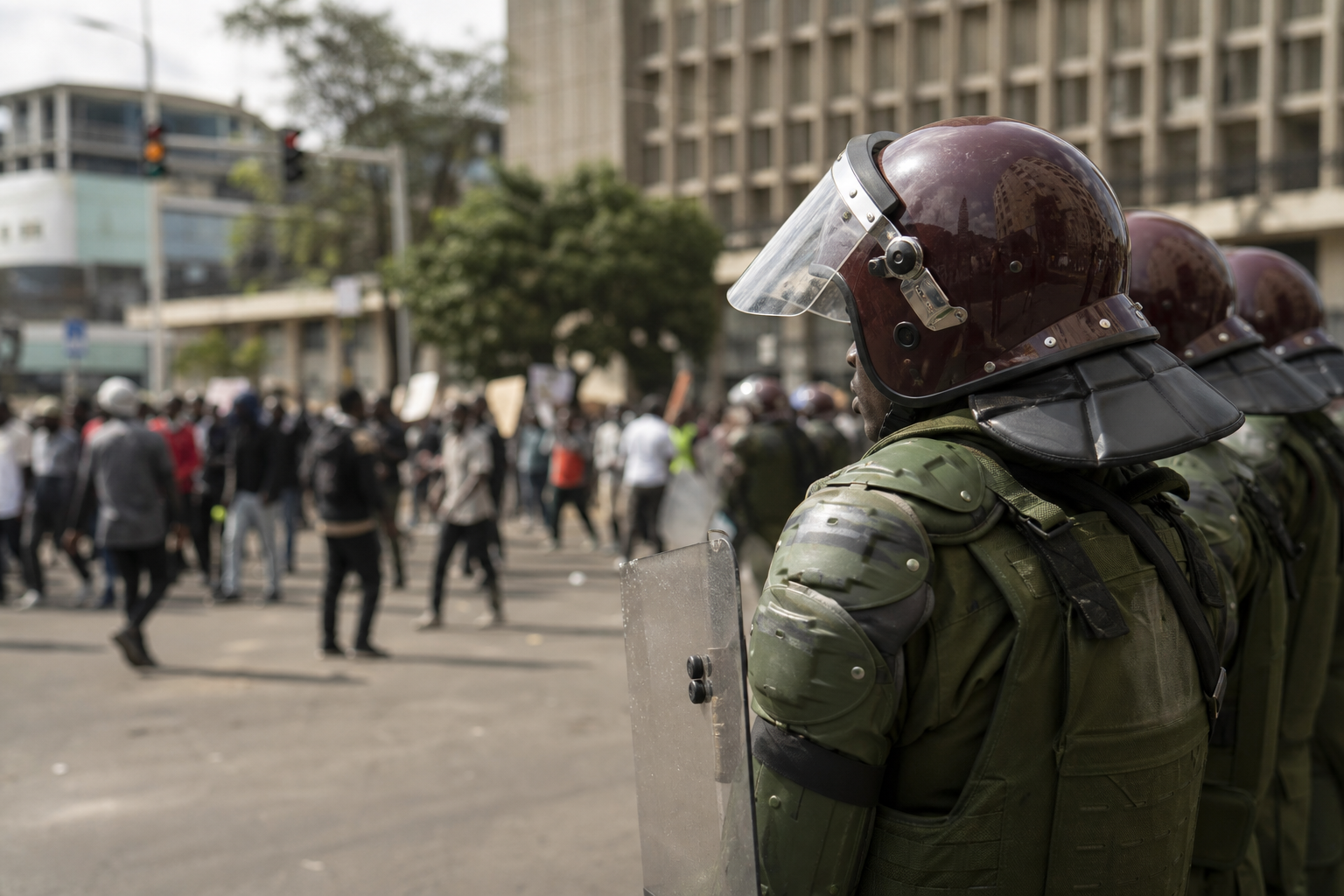
Despite formal court interventions and legal restrictions, industrial action in the health sector frequently persists.
Recently, the Kenya National Union of Nurses maintained it will not call off its members’ strike, illustrating the friction between judicial directives and union bargaining positions during prolonged labour disagreements.
In such instances, public health management often resorts to issuing return-to-work directives or threatening disciplinary measures, including salary withholding and summary dismissal. Conversely, unions leverage collective bargaining agreements (CBAs) registered in court to argue that employers breached underlying contractual commitments first.
What Happens Next?
The resolution of essential service disputes ultimately depends on court-directed negotiations or signed return-to-work formulas that establish structured timelines for dispute settlement.