Constitutional Accountability: How Kenya’s Tribunals Manage Judicial Conduct Inquiries
Kenya’s legal system relies on a constitutionally mandated process to investigate judicial conduct, balancing judicial independence with institutional oversight through the Judicial Service Commission and independent tribunals.
Kenya’s 2010 Constitution created a structured framework to regulate the conduct of judges and preserve judicial independence. Under Article 168 of the Constitution, the process for inquiring into the conduct of a judge or removing them from office follows strict administrative and legal mechanisms.
The constitutional process begins with a petition submitted to the Judicial Service Commission (JSC). The JSC reviews the petition to determine whether it discloses sufficient grounds for removal. These grounds include gross misconduct, incompetence, physical or mental incapacity, bankruptcy, or a breach of the judicial code of conduct.
If the JSC finds that a petition warrants investigation, it sends the findings to the President. The President must suspend the judge from office within 14 days and appoint an independent tribunal to investigate the matter.
How Is a Tribunal Formed?
The Constitution outlines the specific composition of a tribunal established to investigate a High Court judge, a Court of Appeal judge, or a Supreme Court judge.
The tribunal consists of a chairperson who holds or has held office as a judge of a superior court, along with legal practitioners of at least 15 years' standing and individuals with experience in public affairs. This balanced membership aims to ensure legal expertise alongside public accountability.
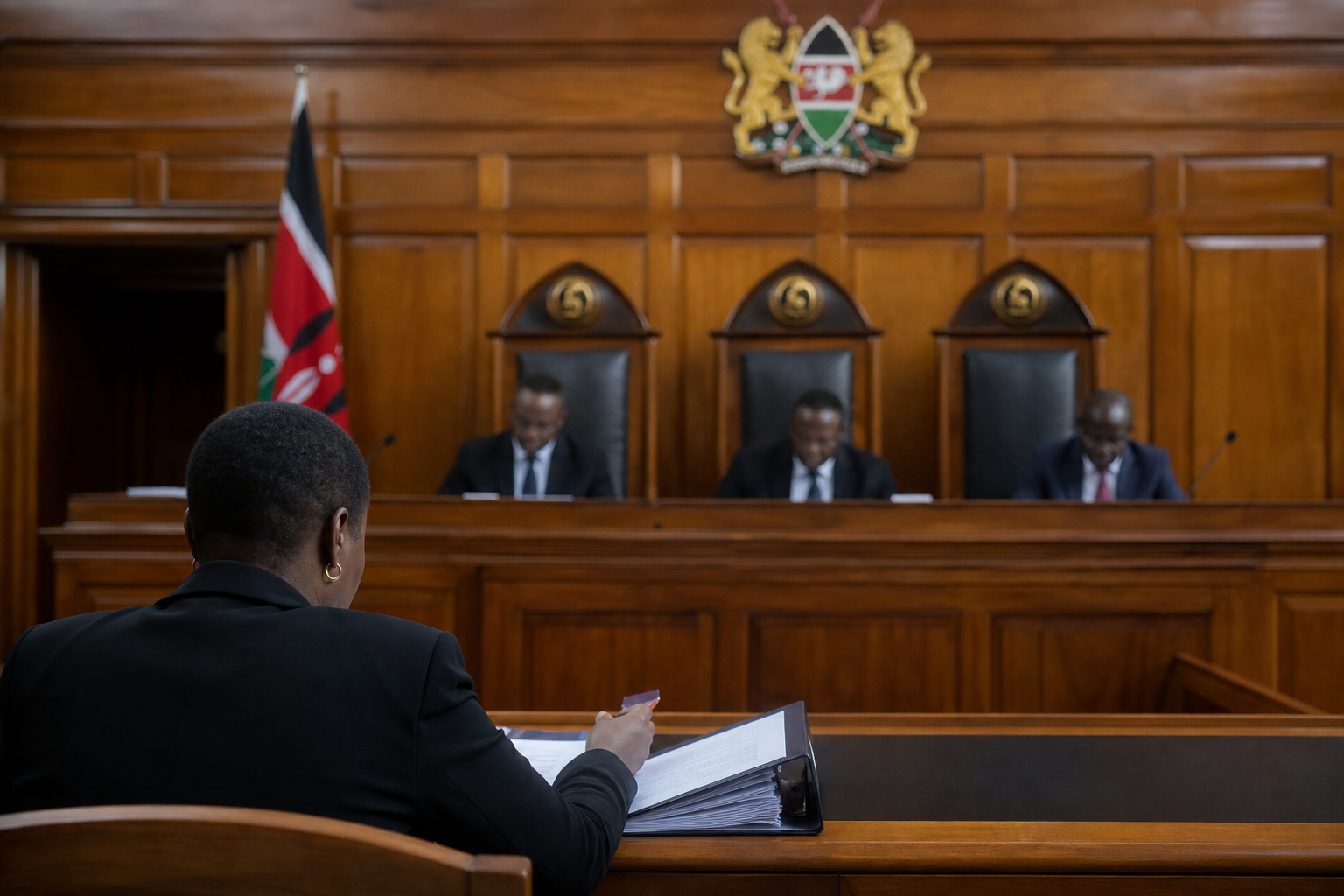
During the tribunal process, the affected judge remains suspended but receives half of their remuneration until the tribunal completes its inquiry. The tribunal holds hearings, receives evidence, and evaluates witnesses under formal procedures similar to judicial proceedings.
Once the inquiry is complete, the tribunal prepares a confidential report containing its findings and recommendations, which it submits directly to the President.
What Authority Does the Decision Carry?
The recommendations of a tribunal are binding on the President, who must act in accordance with its findings. If the tribunal recommends removal, the President officially removes the judge from office.
However, an aggrieved judge retains the right to challenge the tribunal’s decision. Under the Constitution, a judge can appeal the tribunal’s findings to the Supreme Court within 10 days of the decision. This provision serves as a final safeguard against potential administrative or procedural errors.
Over the past decade, tribunals have examined several high-profile cases involving senior members of the judiciary. Former High Court Judge Joseph Mbalu Mutava was among the judicial officers whose conduct was subject to tribunal proceedings under this framework. Citizen Digital reported that President William Ruto mourned the former High Court judge following his passing, and the Daily Nation covered details regarding his final moments.
Why Does Judicial Oversight Matter?
The tribunal framework balances two competing principles: holding judicial officers accountable and protecting them from political interference.
By requiring petitions to pass through the JSC before reaching a tribunal, the Constitution prevents frivolous or politically motivated attempts to unseat sitting judges. At the same time, the binding nature of tribunal recommendations ensures that judicial misconduct can be addressed through transparent procedures.
As Kenya continues to strengthen its democratic institutions, the mechanics of judicial tribunals remain a cornerstone of constitutional oversight, reinforcing public confidence in the administration of justice.