Behind the Ledger: How Auditor-General Reports Shape Public Health Oversight
Public finance management depends on a systematic chain of accountability. Here is how Auditor-General reports are compiled, published, and used by legislative bodies to maintain financial oversight across government entities.

Public finance management in Kenya relies on a systematic chain of accountability to ensure tax money funds intended public services. At the centre of this mechanism is the Office of the Auditor-General, an independent constitutional body tasked with examining how national and county government entities spend public funds. (Libraryir)
The oversight mechanism follows a defined constitutional framework. Under Article 229 of the Constitution of Kenya, the Auditor-General audits the accounts of all public entities, including health facilities, county executives, and state corporations. The primary objective is to verify whether financial records are accurate, internal controls are effective, and expenditure complies with public procurement laws.
Once an audit is completed, official reports are compiled and submitted to Parliament and relevant county assemblies.
How Do Audits Work?
The auditing process begins with an evaluation of financial records, procurement documentation, and asset management logs. Auditors examine whether funds allocated to specific government projects or institutions match actual operational expenditure and inventory on the ground.
During the audit period, institutions submit their balance sheets, bank reconciliations, and procurement registers to the audit team. Independent auditors assess compliance against established standards set out in the Public Finance Management Act. The process aims to identify financial discrepancies, unvouched expenditure, or non-compliance with legal procurement limits.
Afterfield checks are completed, the Auditor-General issues formal audit opinions. These opinions range from unqualified, which indicates clean financial books, to qualified, adverse, or a disclaimer of opinion when records are incomplete or contain material misstatements.
Why Does Oversight Matter?
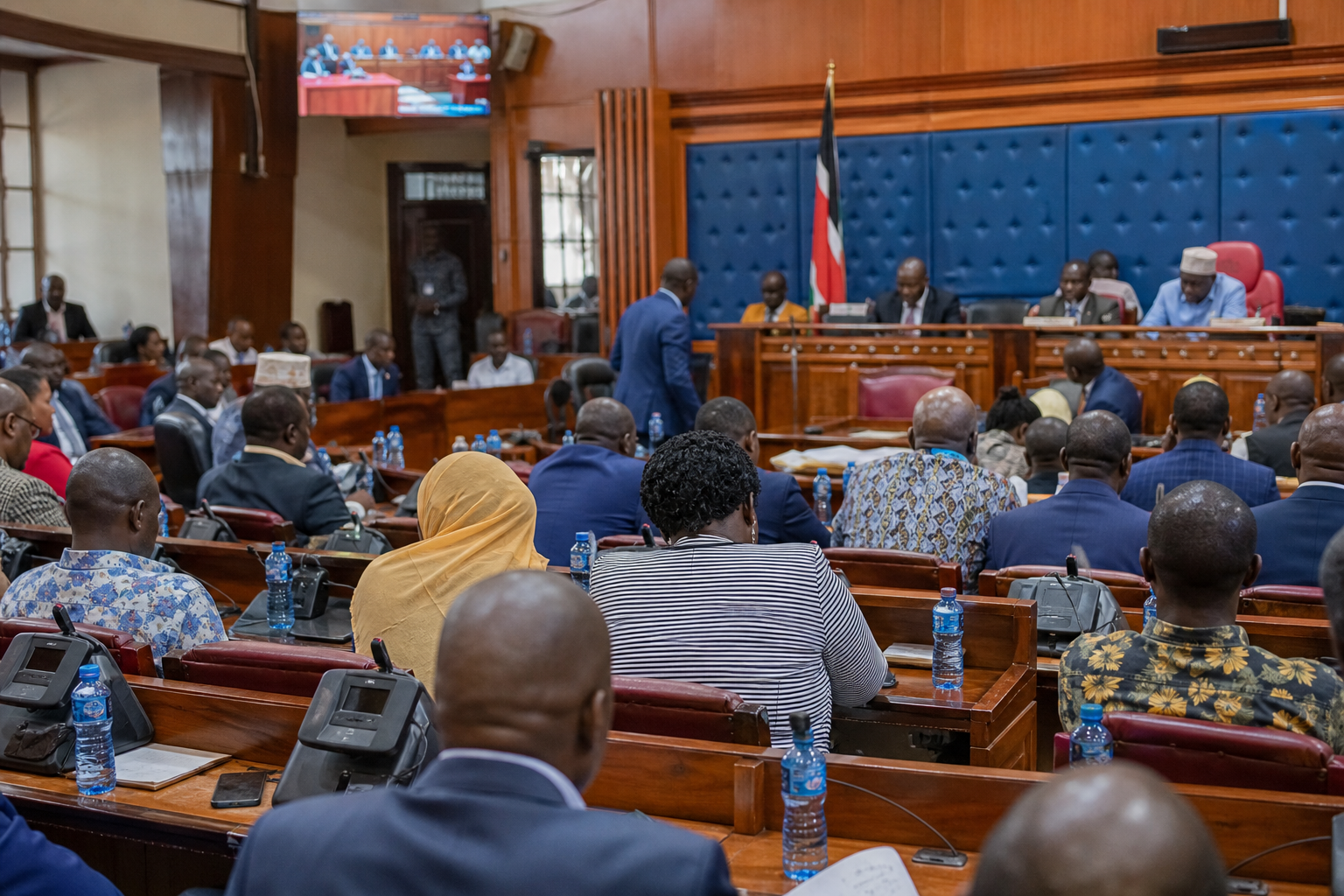
Audit reports serve as the official evidence base for legislative oversight committees. In the National Assembly and Senate, committees such as the Public Accounts Committee and the Public Investments Committee rely on these reports to summon public officers to explain accounting gaps.
In the public health sector, accurate financial accounting directly affects operational efficiency. Facilities require structured funding for medical supplies, infrastructure upkeep, and staff compensation. Independent scrutiny helps legislators evaluate whether budgeted funds yield corresponding services for the public.
Beyond legislative halls, public availability of these records ensures transparency. Publishing reports on accessible repositories allows researchers, civil society groups, and citizens to track public expenditure trends across different tiers of government.
What Steps Follow Publication?
The release of an audit report is an intermediate step in the broader governance cycle. Following publication, county assemblies and parliamentary committees review the audit findings and invite accounting officers to respond to highlighted queries.
If an accounting officer fails to clarify highlighted financial discrepancies, legislative committees issue recommendations. These recommendations can include calls for administrative sanctions, financial recovery, or referral to investigative agencies such as the Ethics and Anti-Corruption Commission.
Ultimately, public health oversight relies on the continuous application of this audit cycle. Tracking financial records year after year helps administrative bodies correct system weaknesses, enforce compliance with procurement laws, and safeguard public resources.