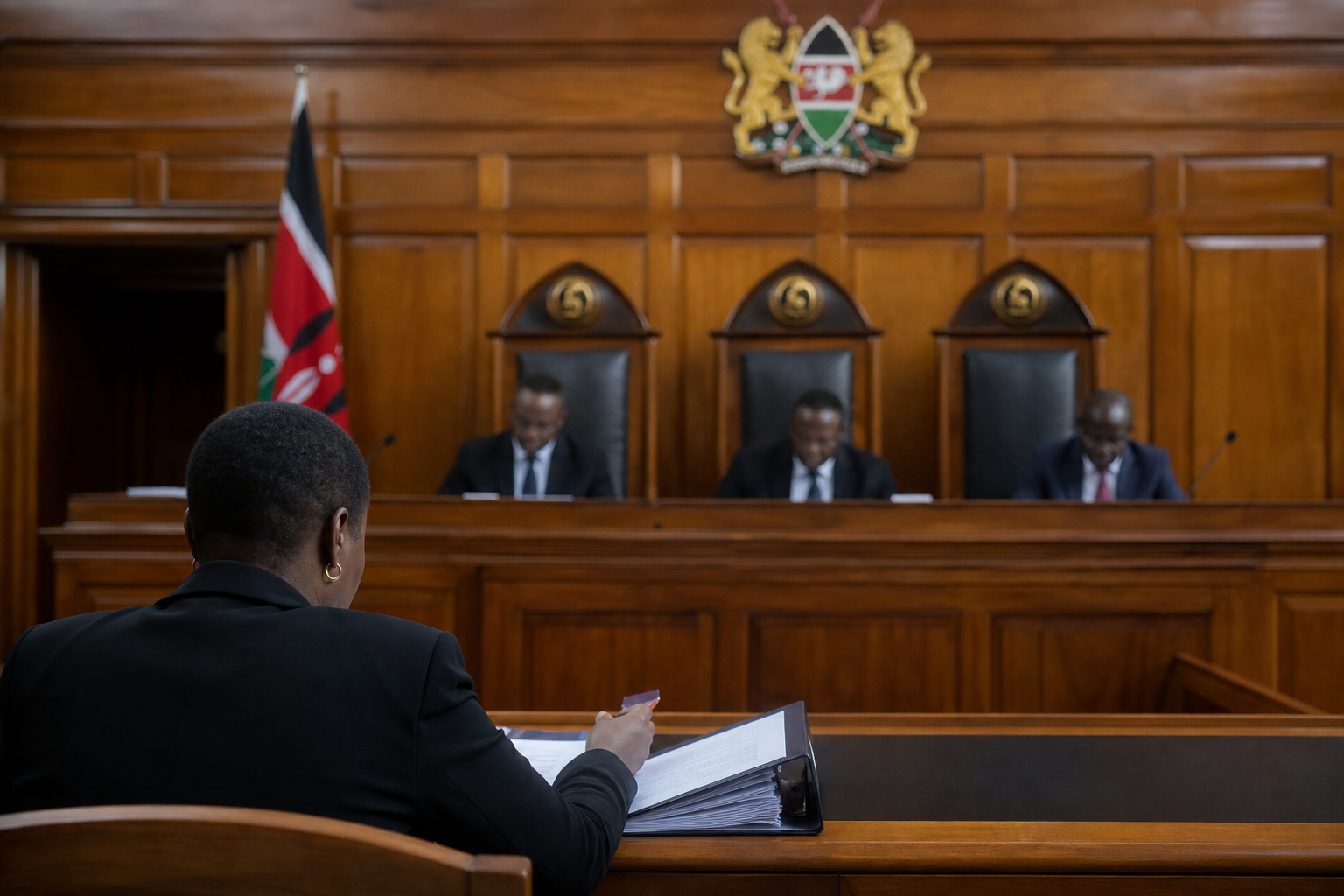
A Strategic Alliance: Why Ruto Wants Church Input for Kenya’s Post-2030 Development Agenda
President William Ruto is seeking direct input from faith institutions to help craft Kenya's national economic and social development blueprint beyond the Vision 2030 timeline.
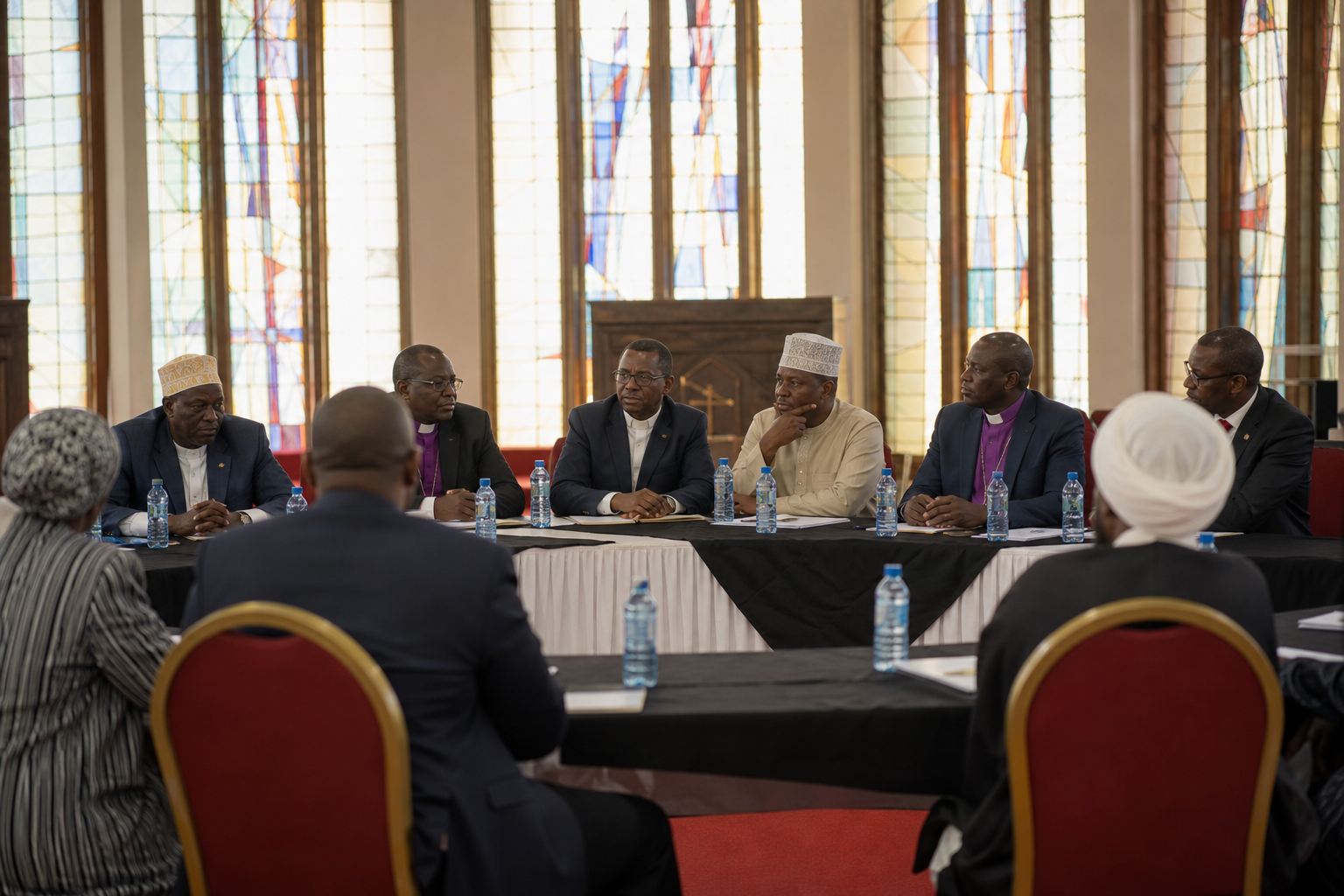
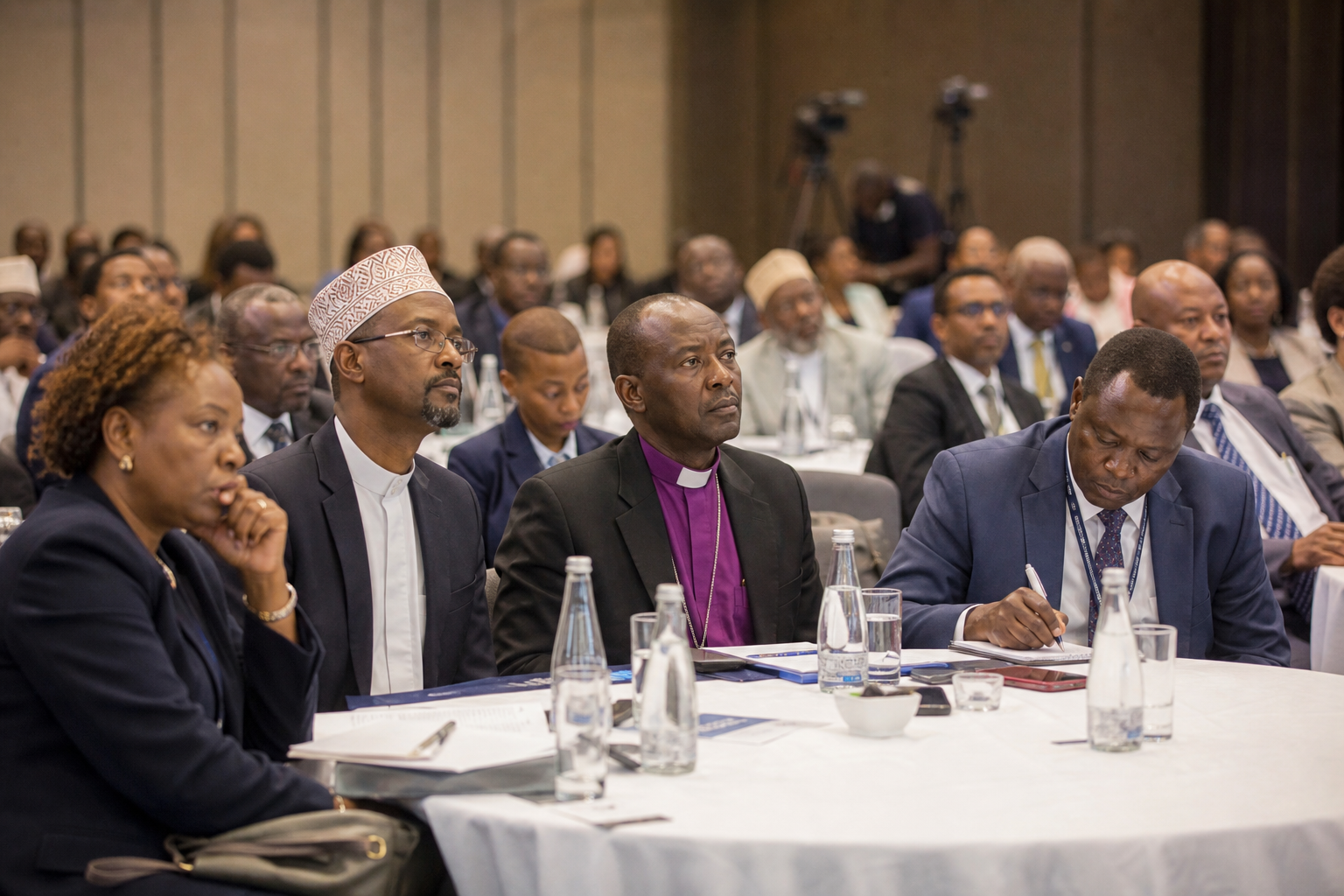
President William Ruto has urged the church to actively participate in formulating Kenya's long-term economic and social development roadmap beyond the Vision 2030 framework.
Speaking during a public engagement, the Head of State noted that religious institutions play a central role in community mobilization and moral guidance, making them critical partners in national planning. The administration is currently structuring the transition strategy that will succeed the Vision 2030 blueprint, which has served as Kenya's primary development guide since its inception in 2008.
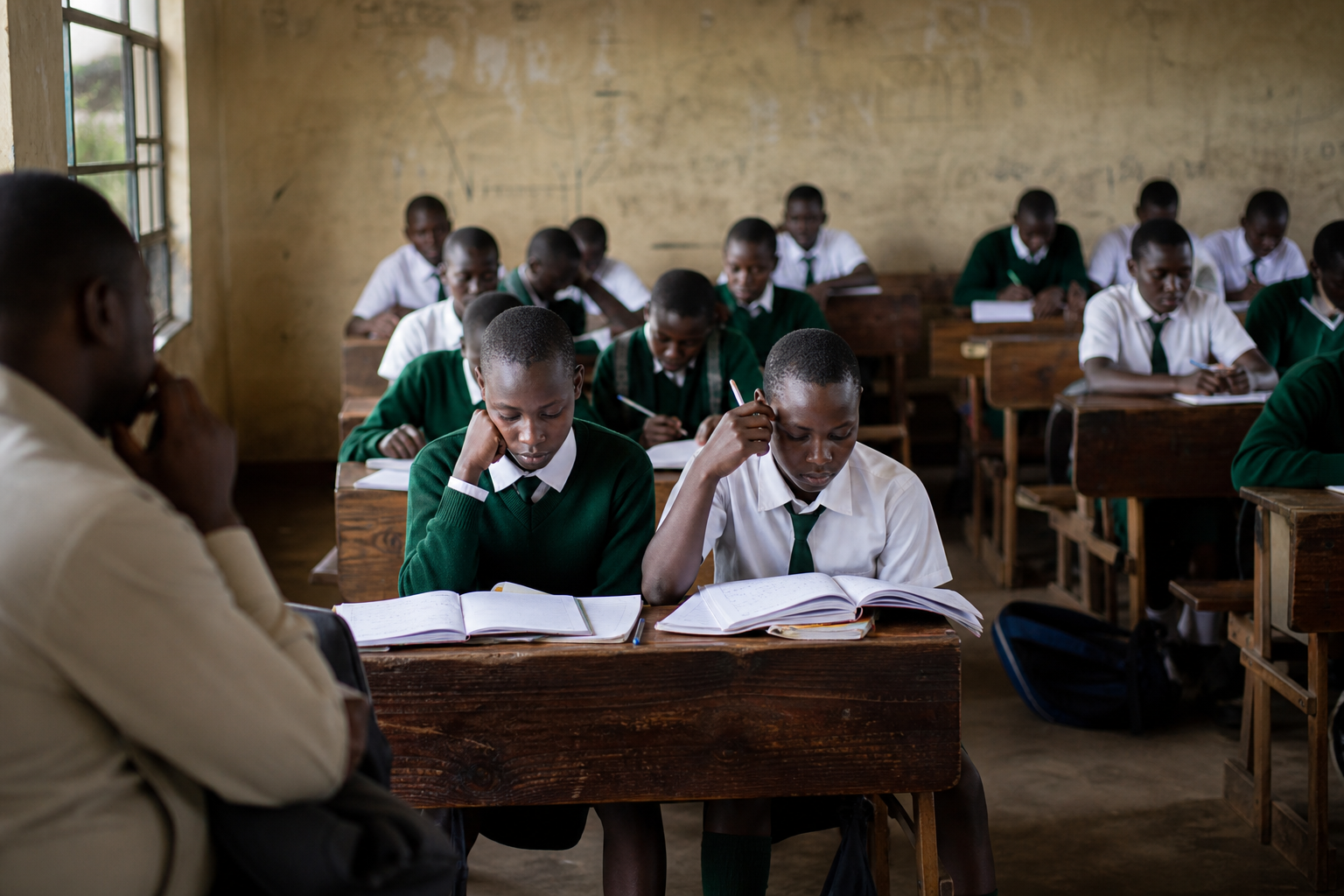
Ruto emphasised that faith-based organizations possess extensive networks across the country, particularly in healthcare, education, and social welfare. By directly involving religious leaders in post-2030 strategy formulation, the government aims to align economic priorities with community-level needs and ethical governance.
What Is Proposed?
The government seeks to establish formal consultative channels with faith leaders to gather input on long-term infrastructure, socio-economic policies, and human capital development. The initiative aims to leverage the church's reach to ensure future economic policies address grassroots challenges, including poverty alleviation and youth empowerment.
Vision 2030 was launched to transform Kenya into a newly industrialising, middle-income country providing a high quality of life to all its citizens. As the horizon for the current framework approaches, state planners are beginning the groundwork for the next multi-decade national development blueprint.
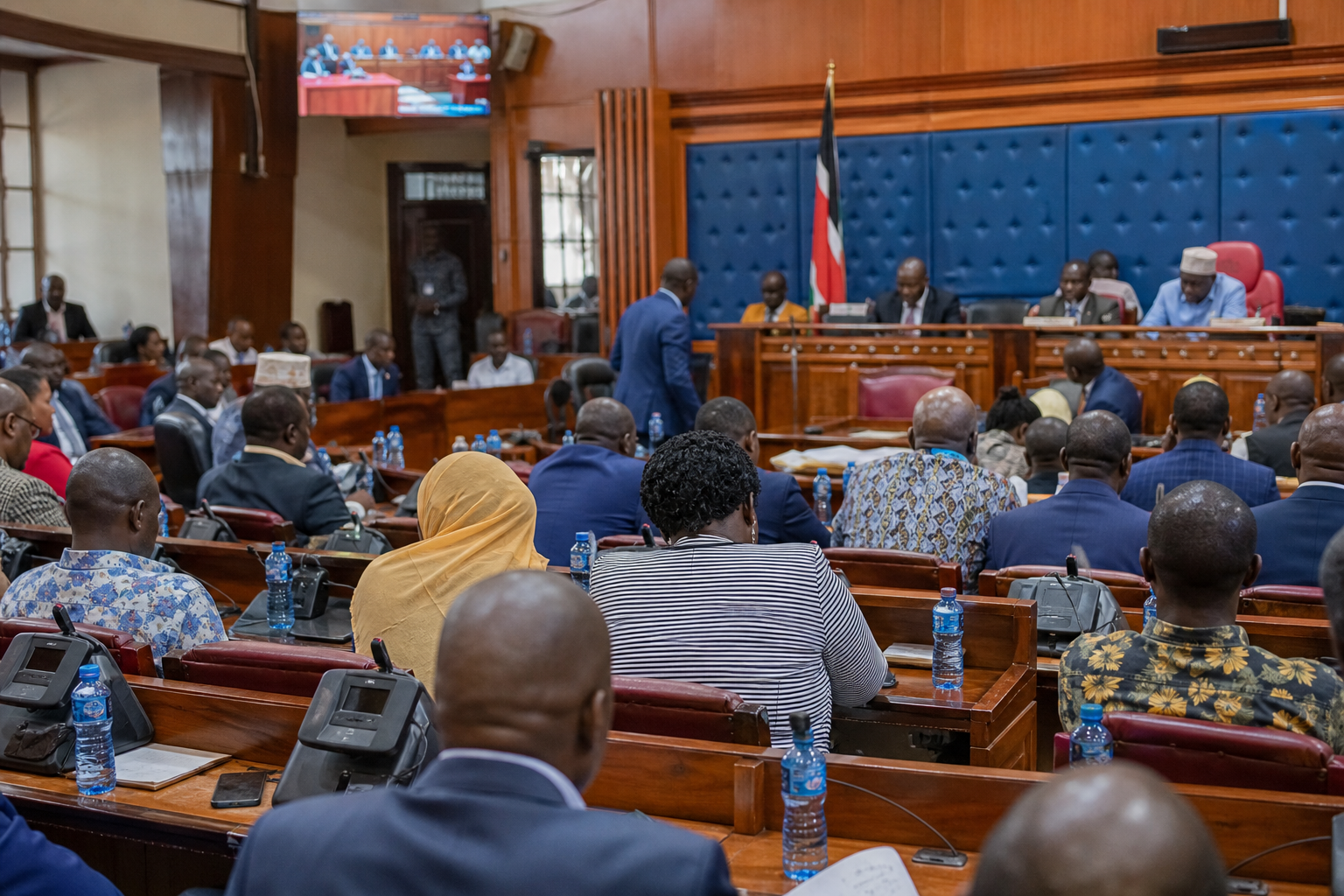
The call for religious input comes alongside ongoing government efforts to build broad-based support for key structural reforms, including updates to national education frameworks and public service delivery models.
Why It Matters
Faith institutions manage a significant proportion of Kenya's non-governmental schools and health facilities, especially in rural and underserved areas. Integrating their operational insights into state planning allows policymakers to identify gaps in public service provision more accurately.
The consultation strategy also reflects a broader effort by the executive to foster national cohesion and secure public buy-in for long-term fiscal and development decisions. Church leaders have historically held considerable influence over public opinion and civic engagement in Kenya.
However, political analysts note that balancing religious perspectives with technical economic planning will require clear frameworks to ensure national development targets remain objective, measurable, and inclusive of all demographics.
What Comes Next?
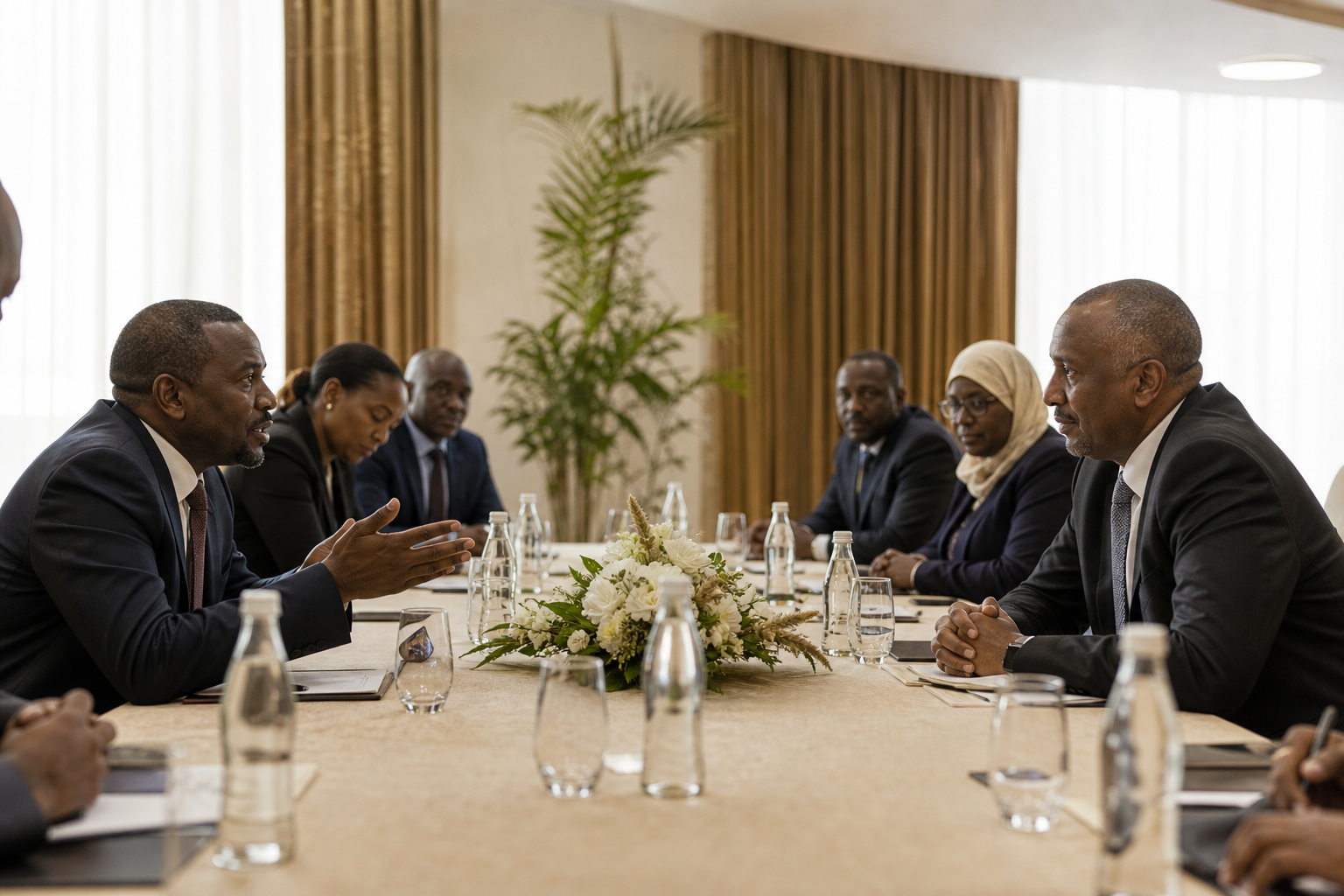
The Ministry of Information, Communications and the Digital Economy, alongside state planning agencies, is expected to outline formal engagement protocols for stakeholders participating in the post-2030 planning process. Technical teams will conduct consultative workshops involving civil society, private sector players, and faith organizations in the coming months.
Further announcements regarding the official steering committee for the post-Vision 2030 framework will be released as state planners aggregate initial submission reports from participating groups.