“Agents of Chaos”: Ruto Defends Education Reforms Amid Growing Criticism
President William Ruto has mounted a firm defence of his administration's controversial education policy overhaul, dismissing political opponents and critics as agents of chaos as implementation questions persist across the country.
President William Ruto has issued a firm defence of his administration’s educational reforms, directly dismissing critics of the new policy framework as figures attempting to disrupt national progress.
Speaking during a public address, President Ruto rejected opposition to the ongoing changes, characterising those resisting the overhaul as "agents of chaos" who are seeking to undermine necessary improvements to Kenya’s schooling system.
The defence comes as the government faces mounting public debate over the implementation of major academic transitions, including changes to funding models and curriculum structures across primary, secondary, and tertiary levels.
What Is Changing?
Kenya’s education sector is undergoing a structural shift driven by the ongoing implementation of the Competency-Based Curriculum (CBC) alongside a revised higher education funding framework. The administration maintains that the restructuring is designed to align learning outcomes with modern market demands, reduce administrative inefficiencies, and establish sustainable funding mechanisms for public institutions.
Details reported by the Daily Nation indicate that the government is also laying the groundwork for a new Competency-Based Education (CBE) system across universities, aimed at standardising skill-based learning beyond the secondary level. However, the rapid rollout of these measures has drawn criticism from civil society, political opponents, and education stakeholders who cite logistical gaps, delayed disbursement of university funds, and high costs borne by parents.
Why Is Criticism Growing?
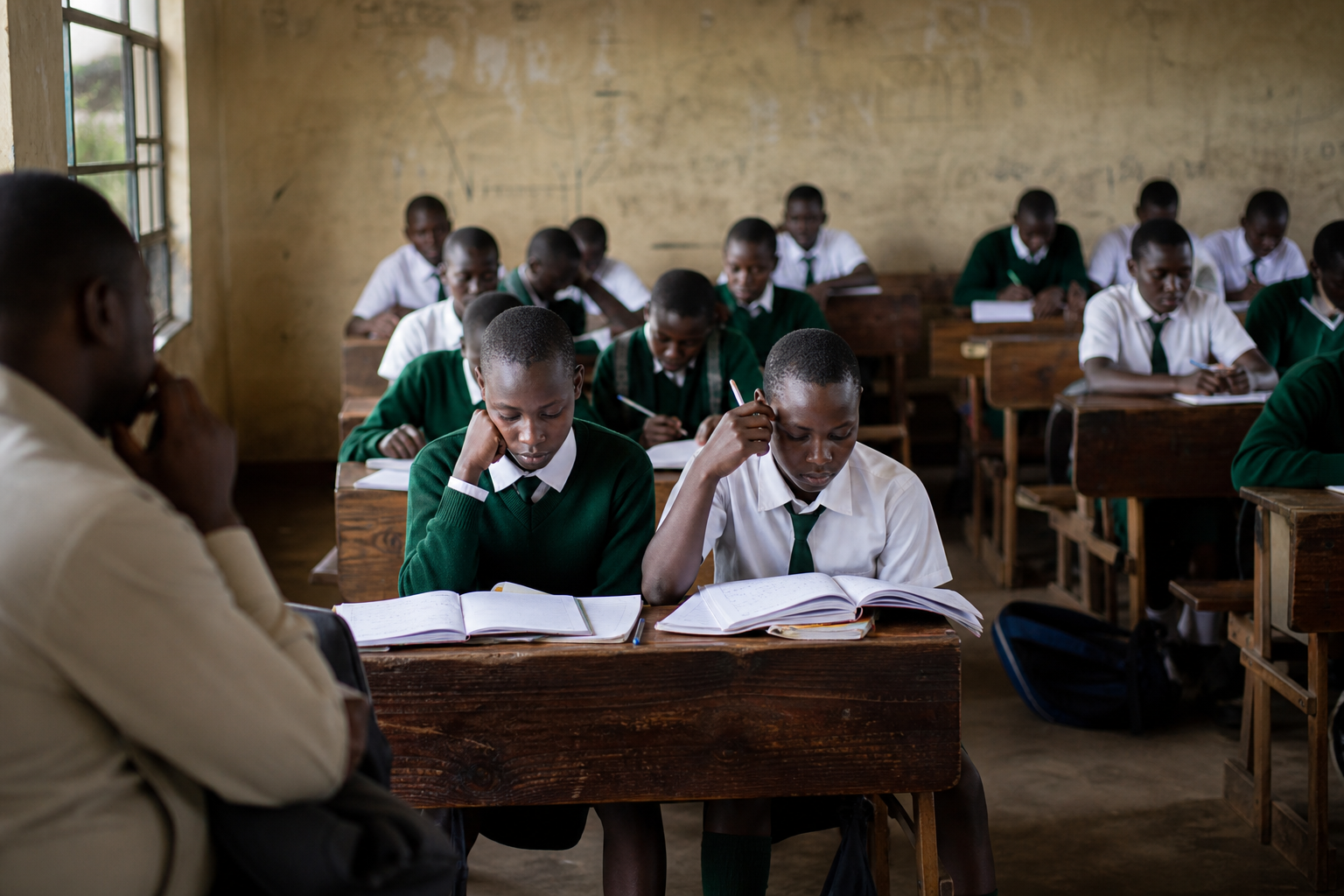
Despite executive assurances, implementation challenges persist across various sectors of the academic system. A report by The Standard highlights that structural access remains uneven, with children living with disabilities continuing to face significant barriers in accessing basic school infrastructure and learning materials under the current framework.
Critics also point to the financial strain on households navigating new assessment requirements, alongside ongoing confusion regarding the categorisation of students under the government's university funding bands. Opponents argue that the government has moved forward with policy alterations without adequate infrastructure, teacher preparation, or comprehensive stakeholder consultation.
What Happens Next?
President Ruto’s strong stance signals that the executive branch intends to press ahead with its policy trajectory without altering course. The head of state’s public defence comes as he balances domestic policy execution with foreign engagements, including an upcoming state visit to Singapore where regional governance and institutional reform models are expected to feature.
Observers note that the administration’s focus will now turn to whether the Ministry of Education can resolve operational bottlenecks, address accessibility gaps for vulnerable students, and ensure stable funding for universities as the academic calendar progresses.