Beyond the Person: What the Law Actually Requires for IPOA Leadership
The statutory framework governing civilian police oversight sets strict legal requirements for leadership, ensuring independent accountability and public trust in policing institutions.
The statutory framework governing civilian oversight of the police force sets high bars for those nominated to lead watchdog bodies. In Kenya, the operational integrity of independent accountability mechanisms relies entirely on strict compliance with constitutional standards, legal qualifications, and professional background thresholds.
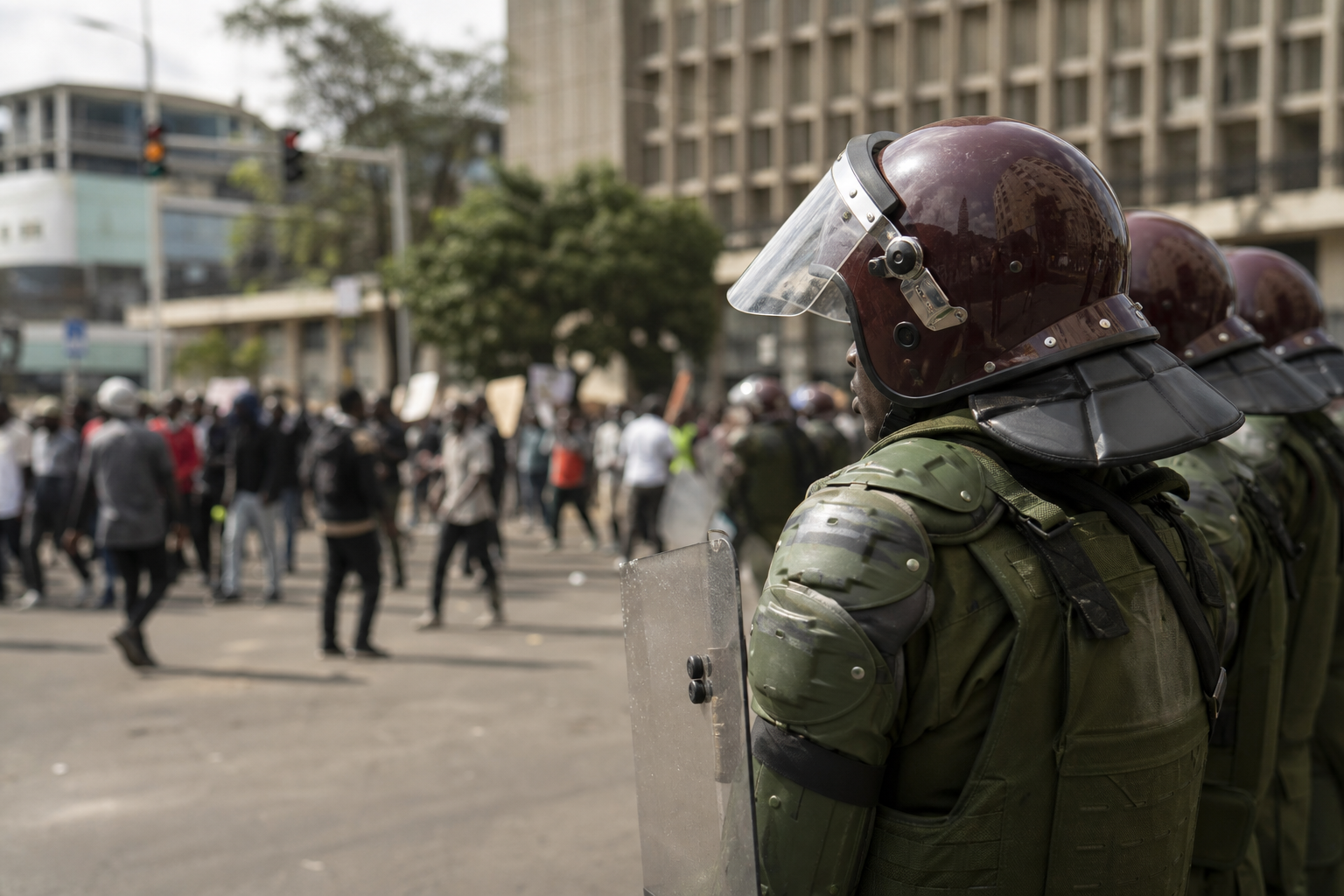
The Independent Policing Oversight Authority (IPOA) was created under Chapter Fifteen of the Constitution and established by the IPOA Act No. 35 of 2011. Its central mandate is to hold the National Police Service accountable to the public in the performance of its functions.
Because the authority exercises power over complex legal investigations, human rights compliance, and law enforcement conduct, the qualifications for its board members, particularly the chairperson, are strictly defined by statutory provisions rather than administrative discretion.
What Does the Law Mandate?
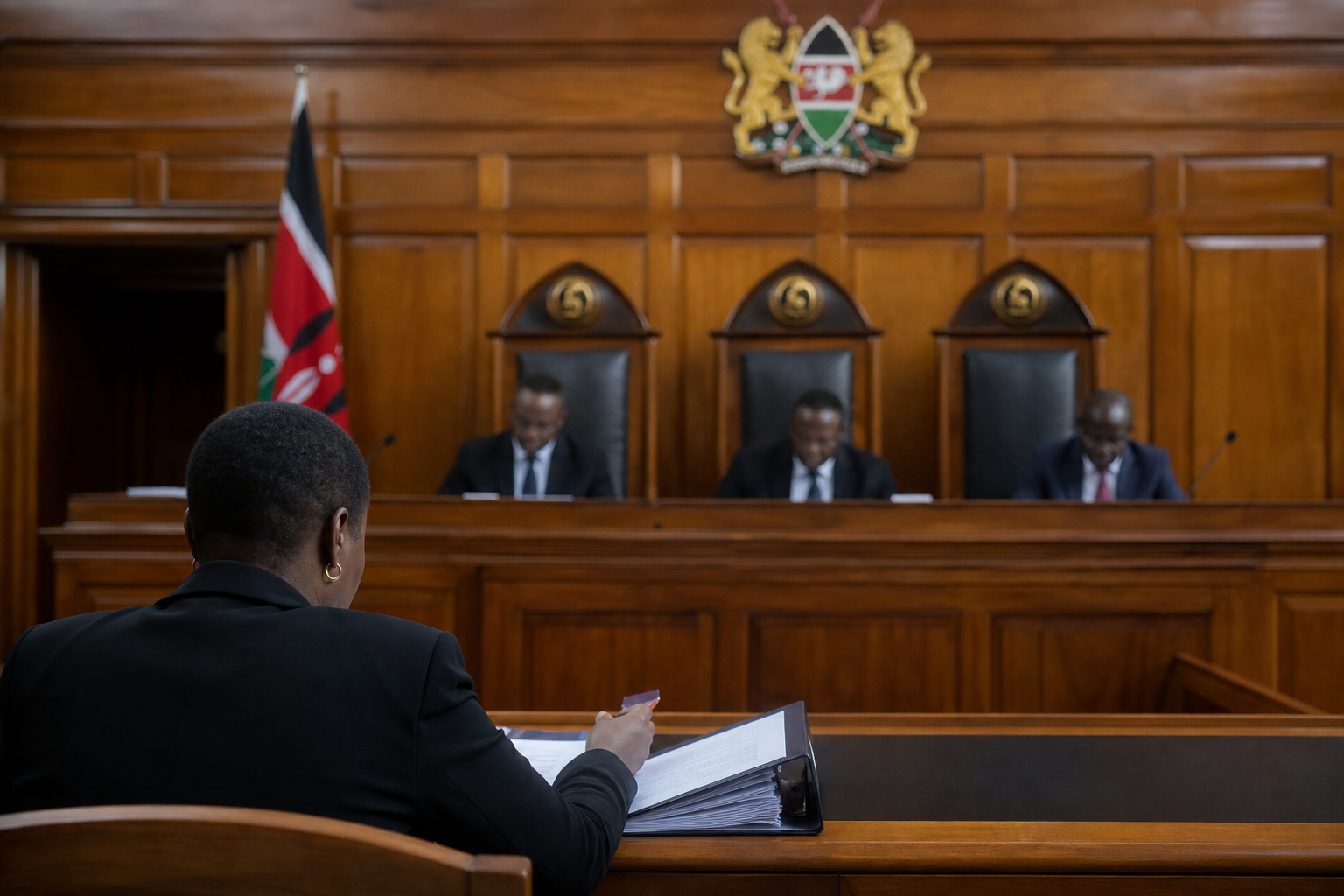
Under the IPOA Act, the leadership of the authority must satisfy explicit professional and ethical criteria before taking office. The chairperson must be a person who is qualified to be appointed as a judge of the High Court of Kenya under the provisions of the Constitution.
To meet the High Court judicial qualification threshold, an individual must hold a law degree from a recognised university, be an advocate of the High Court of Kenya, and possess at least 10 years of experience as a distinguished academic, judicial officer, or legal practitioner.
Beyond legal credentials, the law requires board members to collectively reflect expertise in fields such as human rights, law enforcement, clinical medicine, forensic pathology, and financial management. All nominees must also clear the stringent integrity requirements outlined under Chapter Six of the Constitution on Leadership and Integrity.
Why Do These Criteria Matter?
Civian oversight bodies hold structural authority over internal police disciplinary mechanisms and criminal investigations into police misconduct. Without robust statutory qualifications, the legal weight of the authority's decisions and investigative findings could face persistent constitutional challenges in court.
The chairperson leads a board tasked with monitoring police operations, receiving public complaints, investigating deaths and serious injuries caused by police action, and reviewing internal disciplinary procedures. Daily Nation notes that incoming IPOA boss legal academic Ojwang highlighted his 14 years of experience teaching law when addressing public debate regarding statutory qualifications for the oversight role.
Ensuring that leadership meets or exceeds the legal baseline protects the authority from claims of executive interference or administrative incompetence. Legal clarity at the top is necessary to maintain public trust when the watchdog issues recommendations for prosecution to the Director of Public Prosecutions.
How Is Oversight Selected?
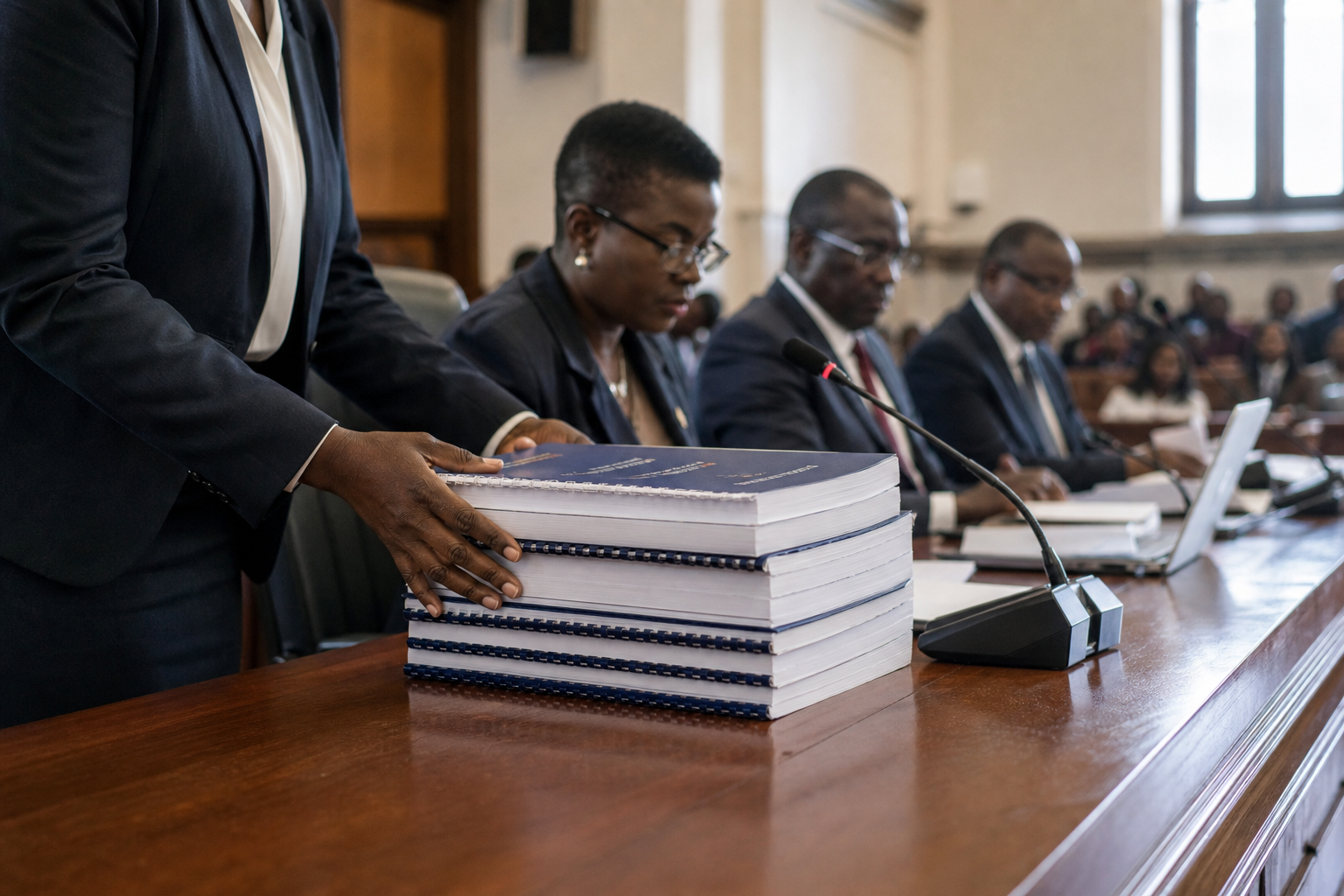
The appointment of the IPOA board follows a structured competitive process designed to safeguard institutional independence. When vacancies occur, a dedicated selection panel comprising representatives from state institutions, human rights bodies, and professional organisations is constituted.
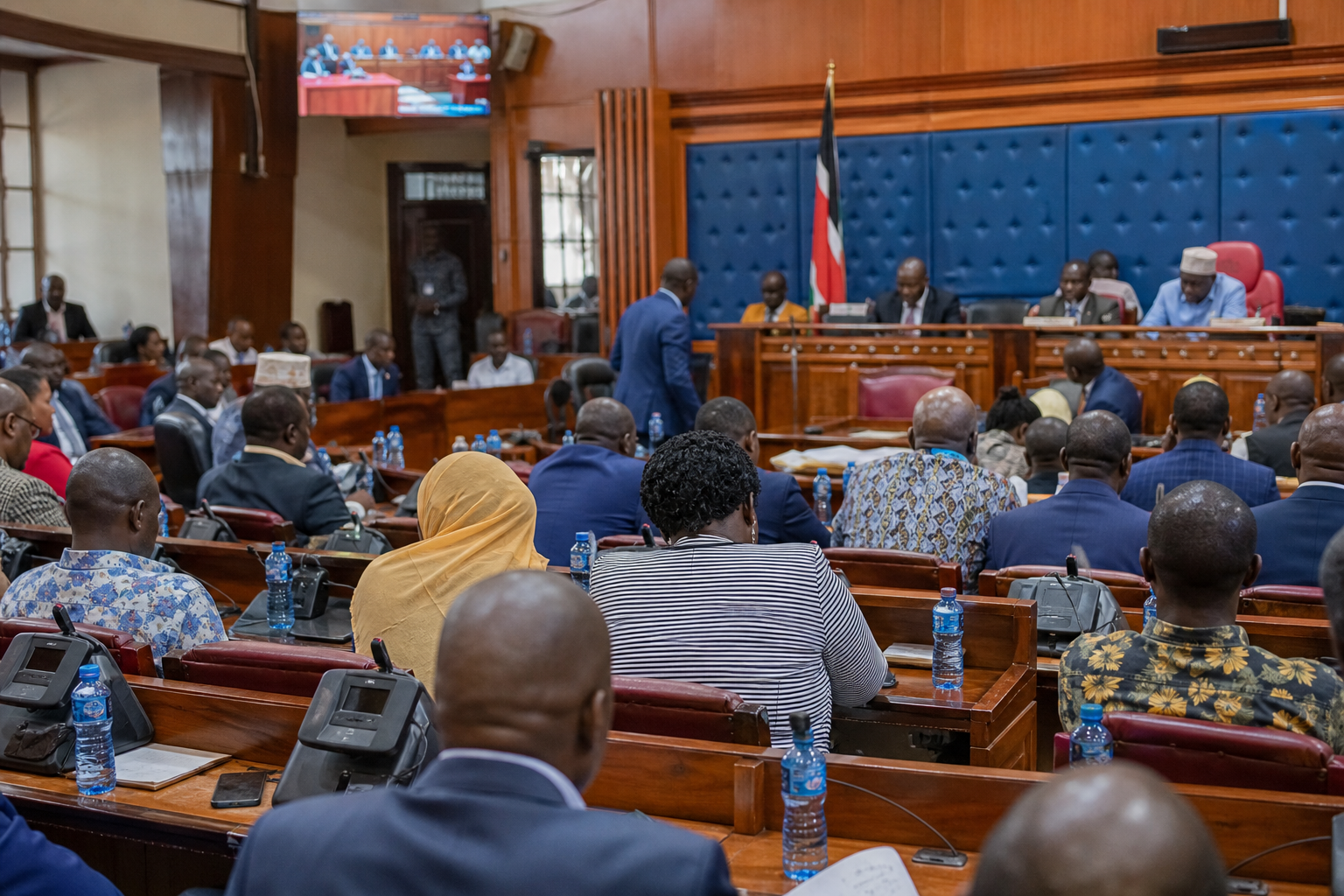
The panel advertises the positions, shortlists candidates, and conducts public interviews before forwarding recommended names to the President for formal nomination. The nominated candidates must then undergo vetting and approval by the National Assembly before formal appointment and gazettement.
This multi-layered vetting structure ensures that statutory requirements are evaluated through public parliamentary proceedings. It acts as a safeguard against political appointments that could undermine police oversight and human rights protections.
What Comes Next Now?
As incoming leadership prepares to navigate public scrutiny and legal requirements, attention turns to the operational readiness of the authority. The effectiveness of civilian policing oversight depends on institutional stability, adequate fiscal resources, and strict adherence to statutory powers.
Parliamentary committees will continue to exercise legislative oversight to ensure that all appointments comply with constitutional mandates. Maintaining an uncompromising adherence to legal qualifications remains essential for the authority to fulfill its mandate of enforcing police accountability in Kenya.