“A Source of Strength”: Why Uhuru Kenyatta Is Celebrating Ethiopia’s Heritage
Former Kenyan President Uhuru Kenyatta has praised Ethiopia’s rich civilisation and cultural heritage, calling for stronger cross-border ties based on shared history.

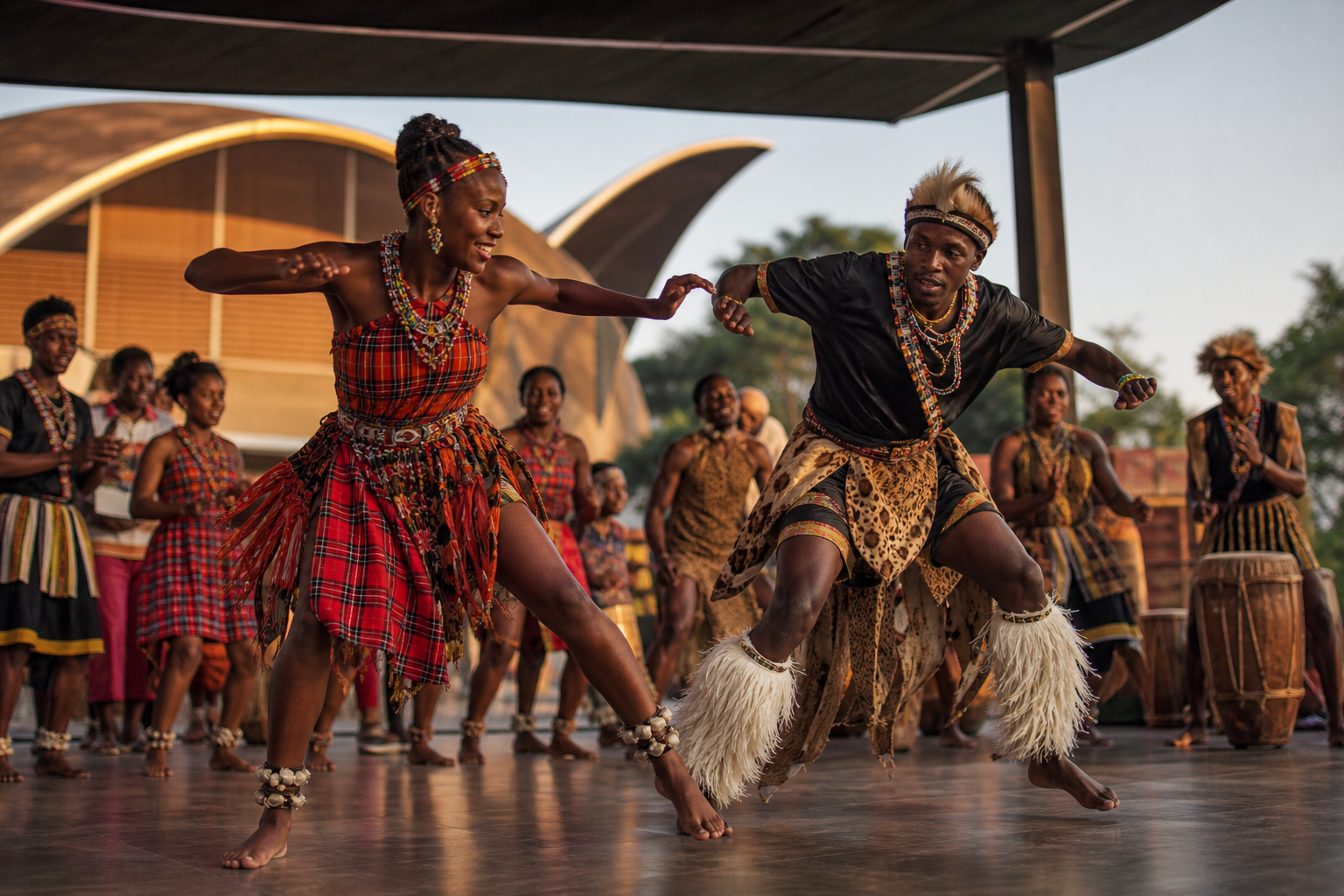
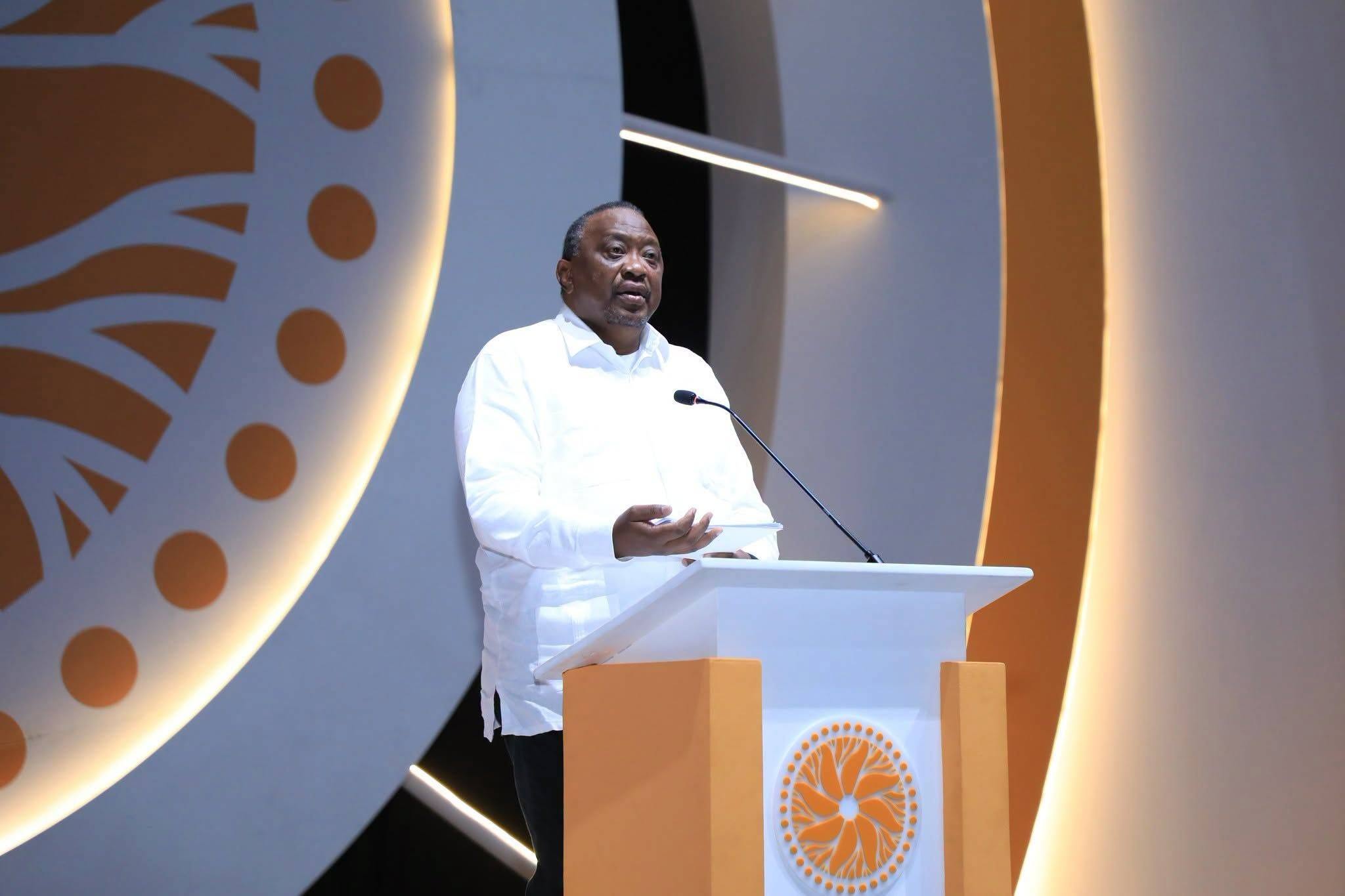
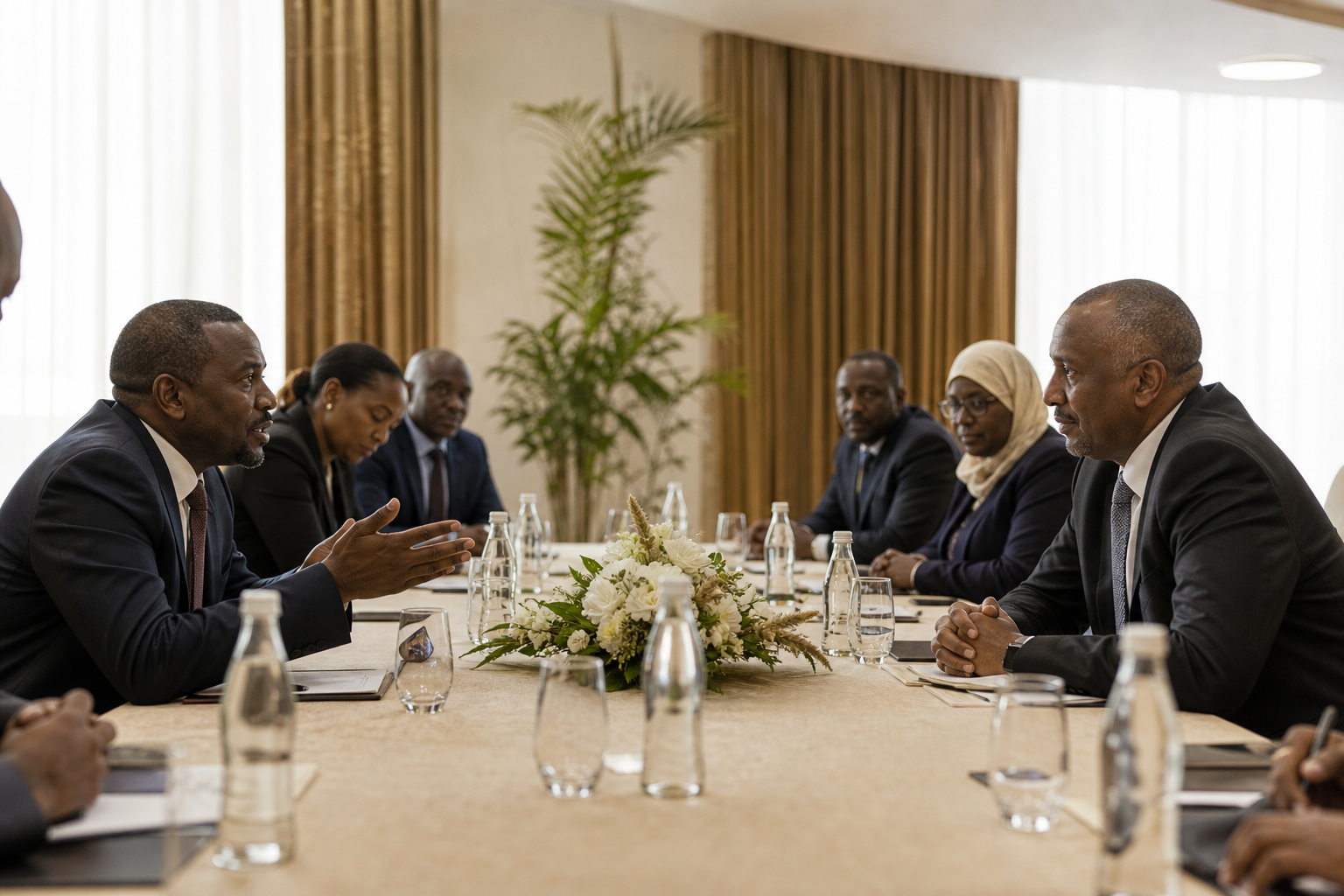
Former Kenyan President Uhuru Kenyatta has commended Ethiopia for preserving its deep historical roots and cultural heritage, characterising the nation as a vital symbol of African identity and resilience. Speaking during a high-profile engagement highlighting regional history and diplomacy, Kenyatta emphasised that Ethiopia’s rich history continues to play an important role in shaping African pride and continental unity. The former head of state observed that preserving cultural landmarks and historical narratives remains central to fostering stronger diplomatic, political, and socio-economic ties across the Horn of Africa. ## What Did Uhuru Say? Kenyatta highlighted Ethiopia’s unique position in African history, noting its status as a symbol of anti-colonial resistance and continental sovereignty. He pointed out that the nation’s ancient civilisations, distinctive architecture, and enduring traditions offer valuable lessons for contemporary African societies seeking to build self-reliant institutions. "Ethiopia’s cultural heritage is not merely a record of the past, but a continuous source of identity and strength for our entire continent," Kenyatta noted during his remarks. He further urged African states to invest more heavily in cross-border cultural exchanges, arguing that shared history serves as a powerful foundation for economic cooperation and regional integration. ## Why Does It Matter? Cultural diplomacy has increasingly become a core component of soft-power relations within East Africa and the wider region. By engaging in high-level cultural dialogue, former political leaders help maintain open diplomatic channels and reinforce historical alliances between neighbouring nations. Kenya and Ethiopia share a long-standing strategic relationship, underpinned by security cooperation, infrastructural integration, and bilateral trade agreements. Efforts to celebrate and protect shared heritage can complement trade initiatives, such as the Lamu Port-South Sudan-Ethiopia Transport (LAPSSET) corridor project, by encouraging stronger people-to-people connections across borders. Historical preservation efforts in the region also feed directly into growing tourism sectors, generating commercial opportunities for local communities and creative industries. ## What Comes Next? Kenyatta’s remarks align with broader efforts under the African Union’s Agenda 2063 framework, which promotes cultural identity and heritage as key pillars of continental development. African leaders and cultural institutions are expected to continue expanding joint initiatives, including museum collaborations, cross-border heritage sites, and youth exchange programmes aimed at deepening regional integration. Governments in the Horn of Africa are also looking to leverage cultural tourism to diversify their economies and attract regional investment. As diplomatic and cultural discussions continue, regional bodies are anticipated to roll out additional policy frameworks to safeguard historical assets against urban development and climate pressures.