Diplomacy in Addis Ababa: Uhuru Kenyatta Graces Ethiopian National Dialogue Event
Former Kenyan President Uhuru Kenyatta joined former Nigerian President Olusegun Obasanjo at the closing ceremony of the Ethiopian National Dialogue Conference in Addis Ababa, where regional leaders stressed the value of indigenous governance systems and peaceful dialogue in resolving national differences.
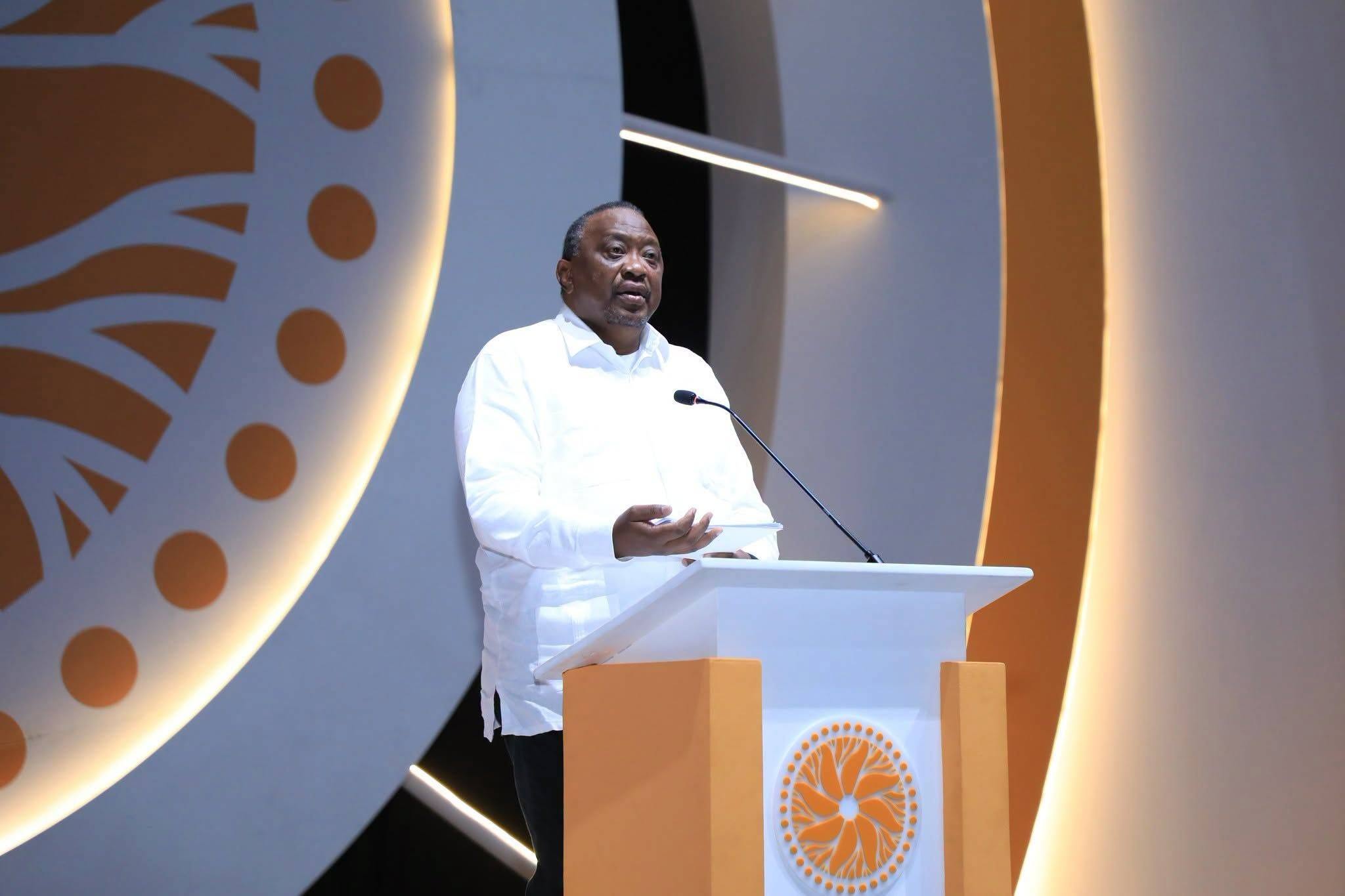
Former Kenyan President Uhuru Kenyatta joined regional leaders in Ethiopia to attend the conclusion of a major national peace initiative.
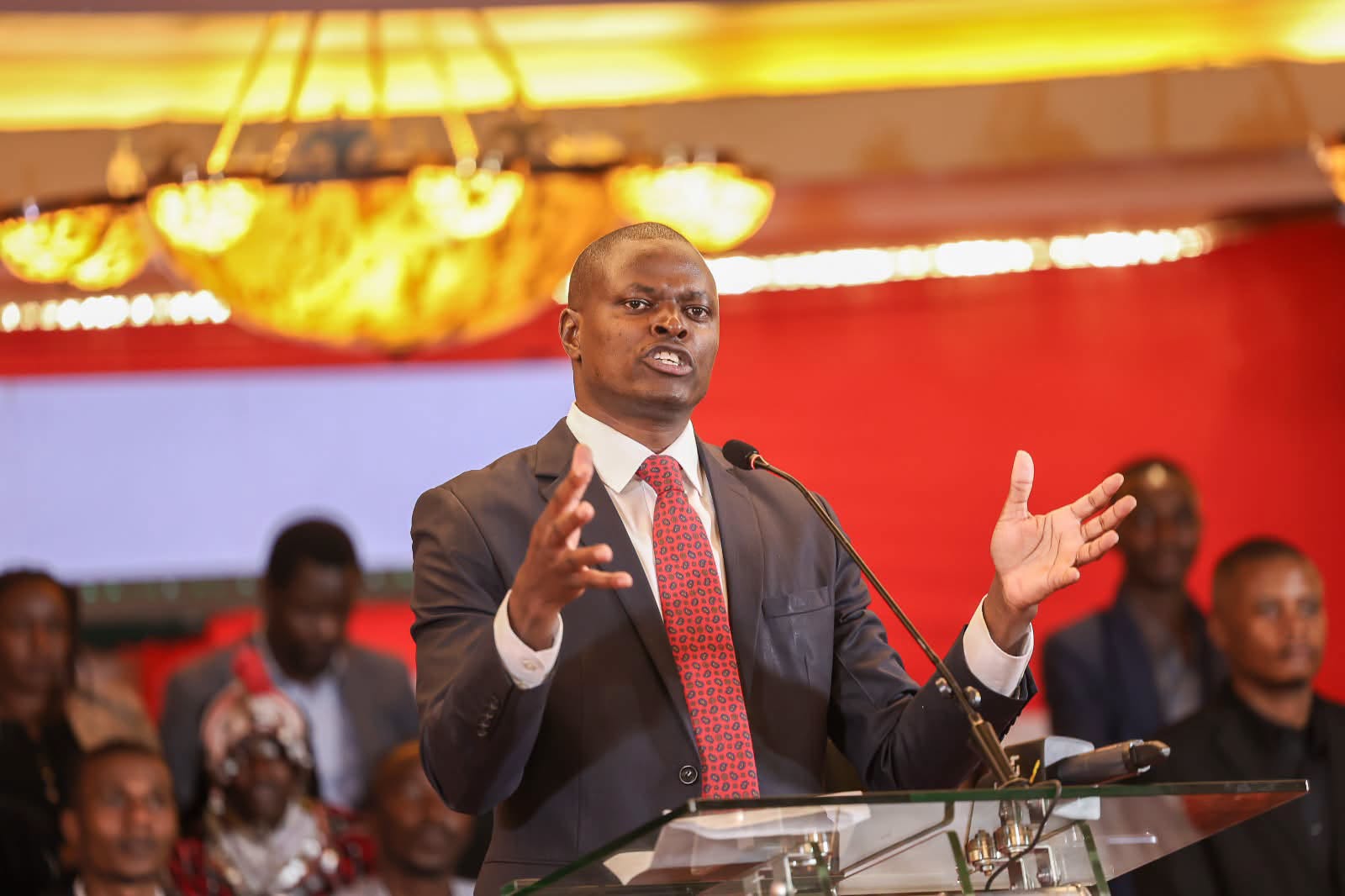
According to an update published on Uhuru Kenyatta’s official Facebook page, the retired head of state attended the closing ceremony of the Ethiopian National Dialogue Conference held at the Addis International Convention Center in Addis Ababa.
The conference convened representatives from various sectors of Ethiopian society to deliberate on issues of national importance, share perspectives, and work toward building consensus on longstanding political differences.
What Did Uhuru Kenyatta Say?
Speaking at the convention center, the former Kenyan leader highlighted Ethiopia’s historical civililisation, cultural heritage, and traditional governance models.
Reflecting on his travels across the region, Kenyatta praised the diverse communities within the country and made specific mention of the Oromo people's Gadaa system. He described the traditional democratic governance framework as a remarkable heritage that deserves greater global recognition, according to details shared by his office.
The Gadaa system is an age-grade system of social, political, and economic organization used by the Oromo people, historically managing administrative, political, and judicial functions.
Who Else Attended The Ceremony?
The closing event also featured contributions from other prominent continental figures involved in African diplomacy and conflict resolution.
Former Nigerian President Olusegun Obasanjo addressed the gathering alongside several distinguished dignitaries, as confirmed by Kenyatta's official page. The presence of the high-profile statesmen underscored the wider continental interest in locally driven peacebuilding initiatives and structured political engagement across the Horn of Africa.
The national dialogue process was established to address deep-seated political divisions through structured, peaceful deliberations among competing social and political factions.
Why Does It Matter?
The diplomatic engagement highlights the continued role of retired African heads of state in supporting peace processes and political reconciliation within the Horn of Africa.
Ethiopia’s stability remains vital to the broader East African region, directly impacting regional trade, security, and diplomatic relations. Participation by key mediator figures like Kenyatta and Obasanjo reflects ongoing international and regional attention to Ethiopia’s political transition.
The emphasis placed on indigenous governance models like the Gadaa system also signals an increasing focus among African diplomats on integrating traditional conflict resolution mechanisms into modern state-building efforts.
What Happens Next?
Following the conclusion of the talks at the Addis International Convention Center, the focus shifts to whether the recommendations generated during the dialogue will be implemented by key political stakeholders.
The Ethiopian National Dialogue Commission is expected to compile the findings and consensus points raised by participants into a formal framework for legal and political reform. Observers will be watching closely to see if the process succeeds in fostering long-term stability and national cohesion across Ethiopia’s diverse regions.