A Prolonged Cash Crunch: Why South Sudan's Financial Crisis Stalls State Development
A chronic shortage of liquidity and dwindling foreign reserves continue to disrupt government operations and delay critical development projects across South Sudan.
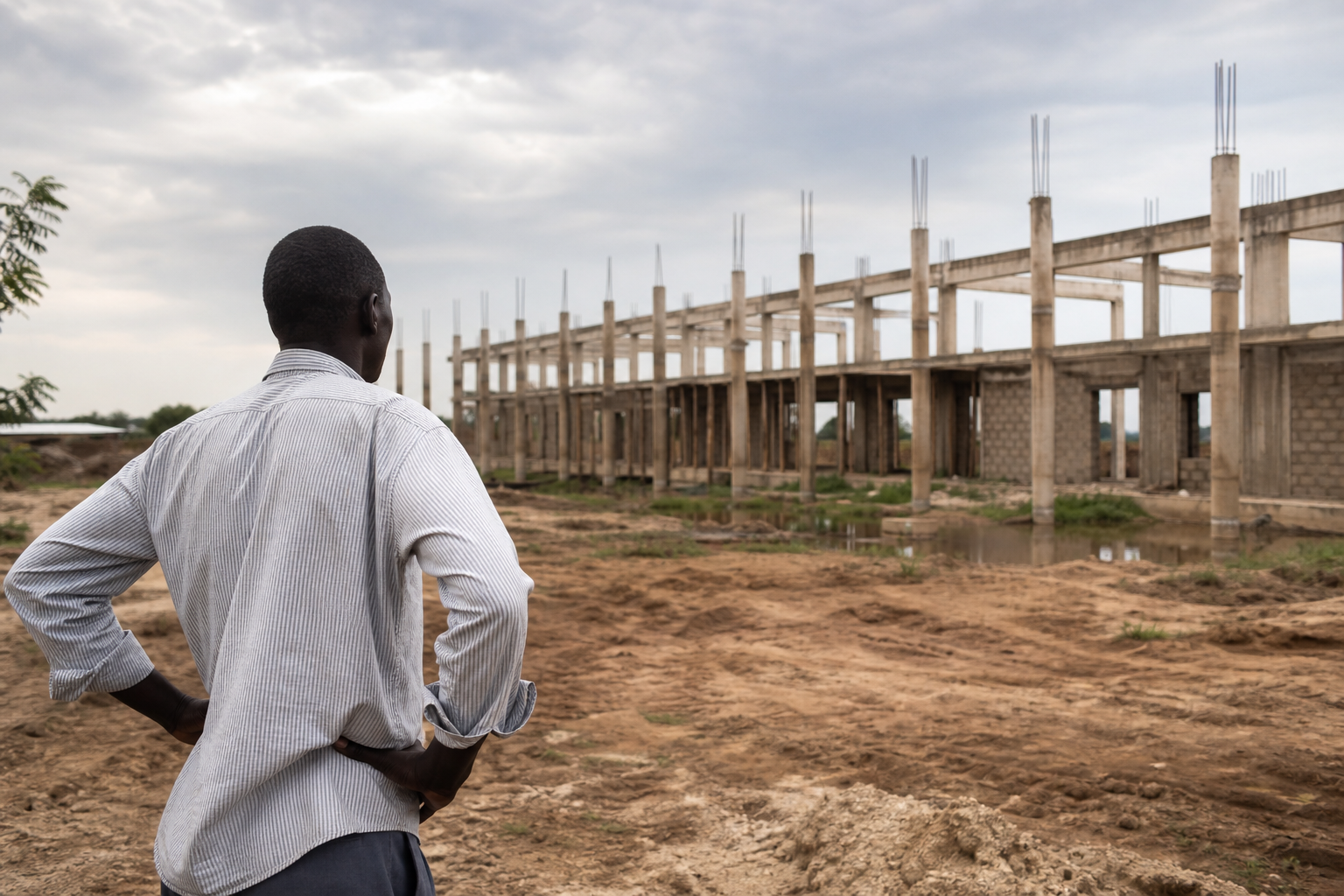
South Sudan is facing a severe, prolonged financial crisis that continues to paralyze basic government functions and stall vital infrastructure projects. (Theeastafrican)
Years of economic instability, compounded by currency depreciation and structural revenue shortfalls, have severely constrained Juba's ability to finance its national budget. The cash crunch has left state institutions struggling to meet public payrolls, pay civil servants on time, or fund essential public services across the country.
Economic development initiatives across key sectors have hit a standstill. Government agencies report that critical capital investments in roads, healthcare, and public administration remain frozen as available funds are diverted to cover immediate operational shortfalls.
What Driven The Deficit?
South Sudan relies almost entirely on oil exports for national revenue, rendering its public finances vulnerable to global oil price fluctuations and export disruptions. Pipeline breakdowns and transit disputes have historically restricted crude flows, directly cutting into the central treasury's primary source of foreign exchange.
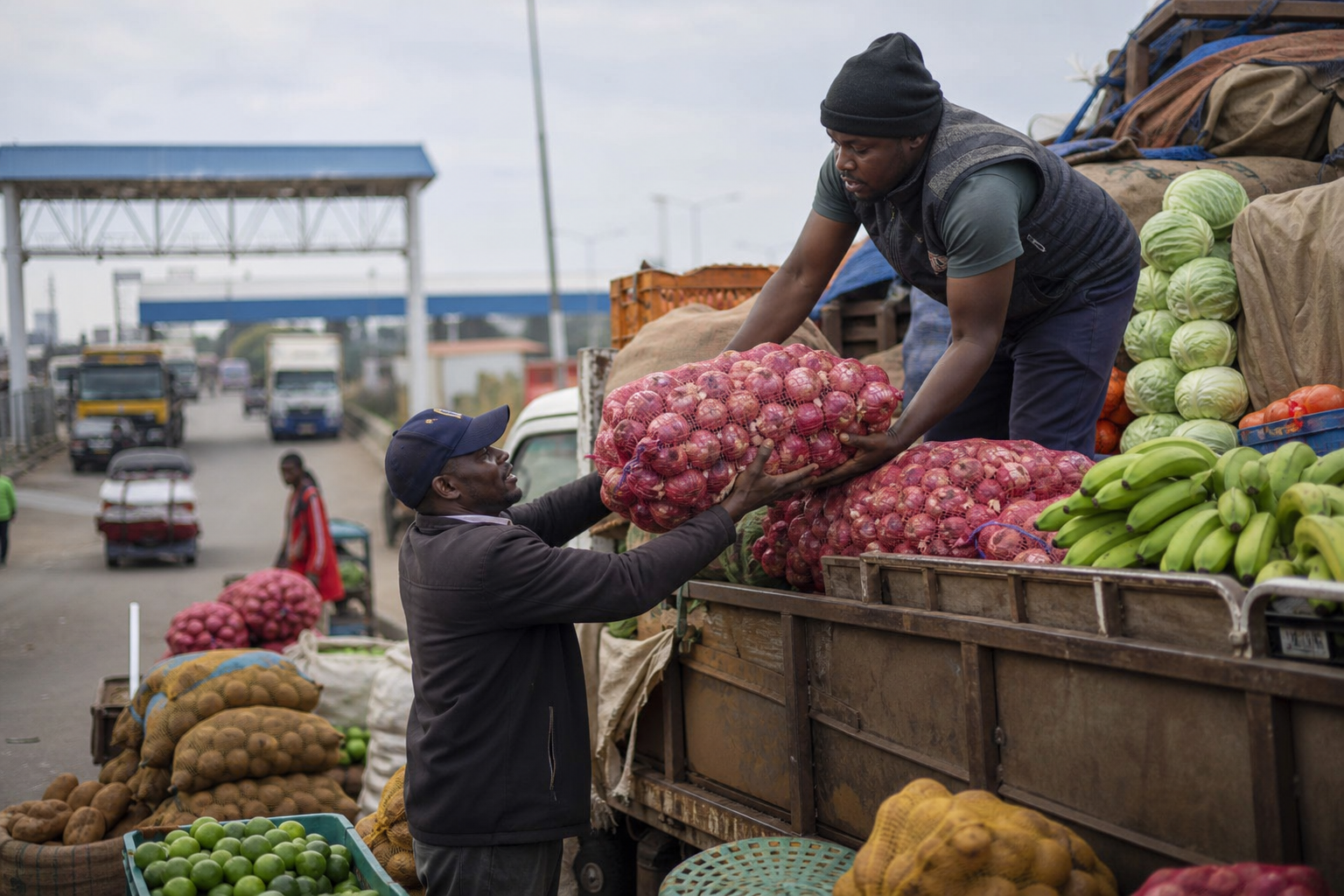
The lack of economic diversification has heightened the impact of foreign reserve shortages. Local market vendors and importers face severe inflation as the local currency weakens, making basic commodities unaffordable for ordinary households.
Efforts by financial authorities to stabilize the domestic currency have yielded limited results, as structural deficits continue to outpace central bank interventions.
How Are State Operations Affected?
The liquidity squeeze has disrupted public service delivery nationwide. Civil servants, including teachers and healthcare workers, routinely experience delays in receiving their salaries, leading to operational disruptions in public institutions.
Development partners and international lenders have frequently raised concerns over fiscal transparency and public expenditure management. Without structural economic reforms, foreign investment remains subdued, limiting access to external capital that could help bridge the budget gap.
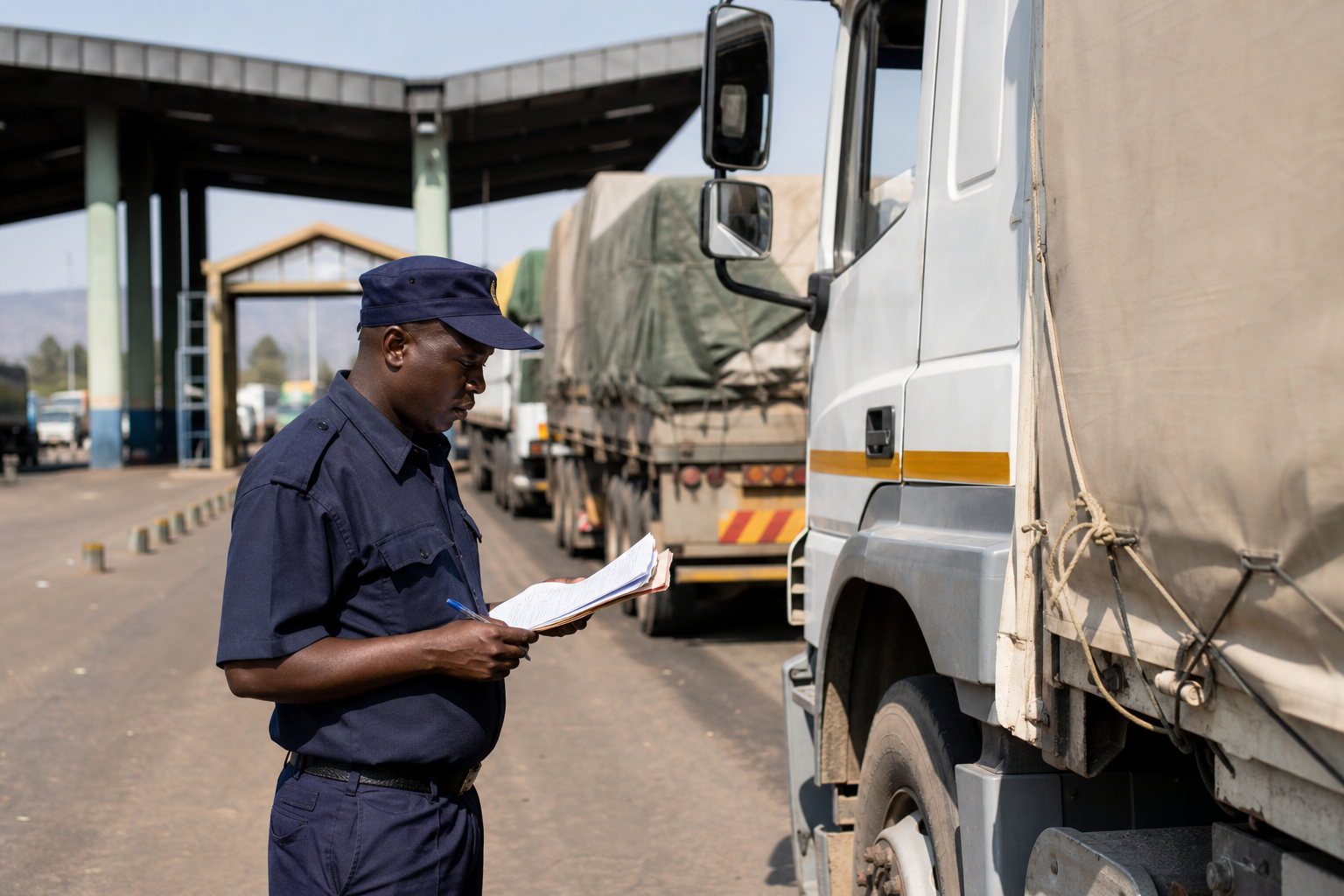
Regional trade flows have also felt the strain, as cross-border commerce with neighboring East African Community partners slows under the weight of currency volatility and reduced demand.
What Comes Next?
Addressing South Sudan's chronic cash shortage will require comprehensive economic reforms, including enhanced revenue collection outside the oil sector and improved public financial management.
Without significant fiscal intervention or foreign capital injection, the government risks further delays to its long-term development agenda, leaving crucial infrastructure and social projects uncompleted. Financial analysts expect Juba to focus on securing emergency bilateral assistance and stabilizing crude oil exports in the coming months to relieve mounting fiscal pressure.