A Major Trade Shift: Why Tanzania Is Outpacing Uganda in Informal Kenya Exports
Tanzania has overtaken Uganda as Kenya's primary partner in informal cross-border trade, driven by agricultural supply shortages and reduced food surpluses in Ugandan border regions.
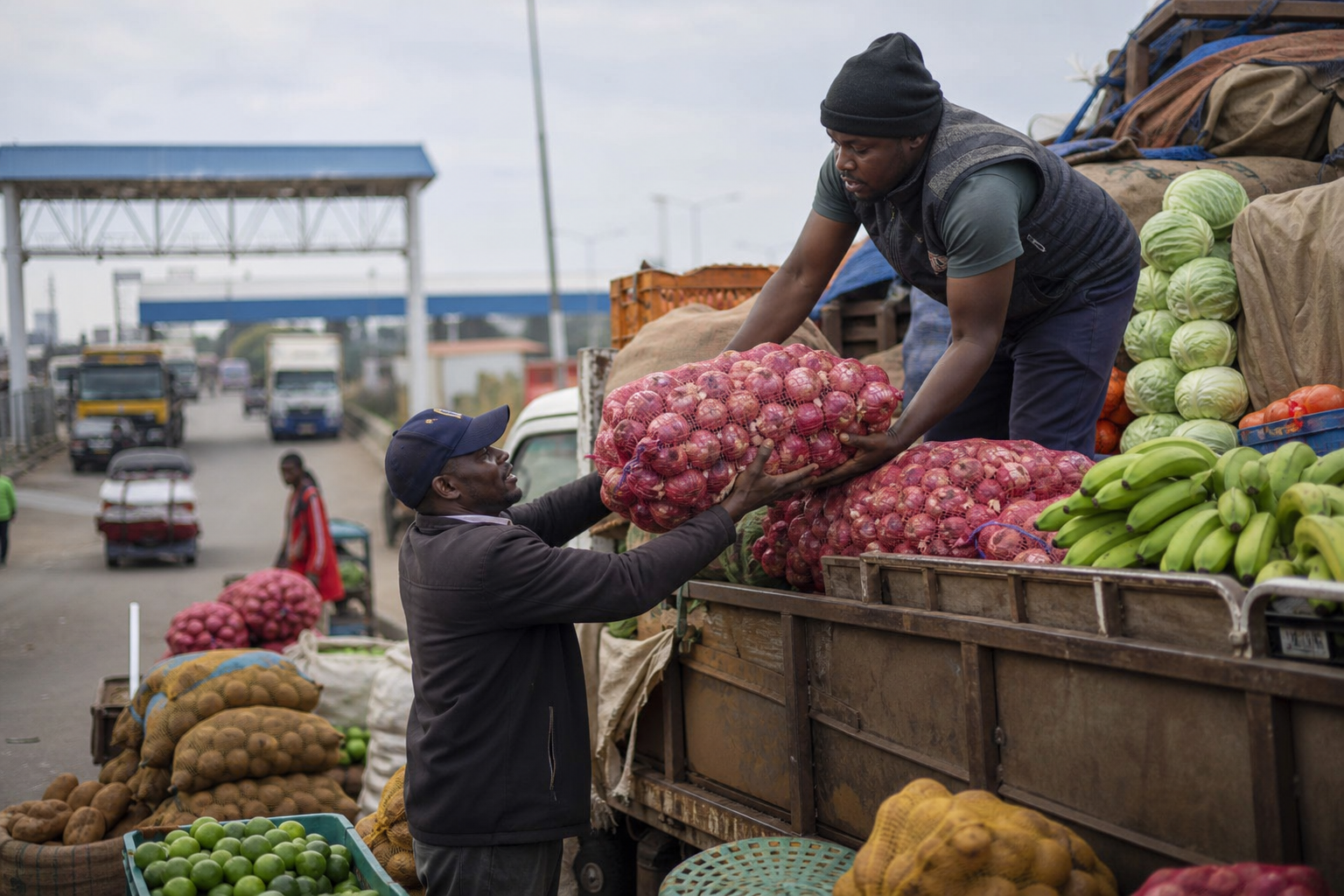
A major shift is under way across East African border crossings, as Tanzania overtakes Uganda in informal cross-border trade with Kenya.
The reversal comes as prolonged dry spells and food shortages hit agricultural production in Uganda, previously Kenya's primary regional supplier of unrecorded food items and raw produce.
Recent regional trade data captured by regional authorities shows that informal goods flowing from Tanzania into Kenya have surged significantly. Small-scale traders are increasingly moving cereals, legumes and vegetables across southern border points like Namanga, Holili and Lunga Lunga to meet sustained demand in Kenyan urban centres.
For years, Uganda dominated the unrecorded cross-border market, supplying vast quantities of maize, beans and milk across porous western border points like Busia and Malaba. However, reduced agricultural yields in Uganda have constrained surplus output, raising domestic prices and reducing the volumes available for informal export to neighbouring markets.
Regional market observers note that Tanzania's relatively stable weather conditions and expanded agricultural output over recent seasons have positioned it as the new primary food basket for informal regional commerce.
Small-scale traders, who move goods in small quantities without formal customs clearance, have quickly pivoted to Tanzanian supply routes to bridge supply gaps in Kenya.
What Triggered Shift?
The shift in trading patterns highlights the growing sensitivity of informal East African commerce to localized climate disruptions. Unrecorded cross-border trade remains a vital economic lifeline for millions of border residents, providing livelihoods for smallholders while keeping prices accessible for lower-income households in recipient towns.
When Ugandan farm yields drop, market forces push traders towards alternative regional suppliers. Tanzania's expanding agricultural corridors have stepped in to absorb that demand, ensuring food supplies continue moving across East Africa despite production shocks elsewhere.
The change also reflects broader shifts in regional logistics. Traders report that improved border infrastructure and streamlined informal transport routes between southern Kenya and northern Tanzania have reduced transit times, making cross-border produce deals faster and more profitable.
How Trade Works?
Informal cross-border trade covers unrecorded transactions involving small-scale merchants who transport agricultural goods, livestock and small consumer products across national borders. While these goods bypass official customs declarations, they represent a significant share of total regional economic exchange.
Regional economic bodies monitor these movements to evaluate rural food security, track informal currency flows and gauge household supply levels.
The drop in Ugandan produce moving into western Kenya has already influenced local wholesale prices in regional markets. In towns across the Rift Valley and western Kenya, vendors have had to source agricultural commodities from central and southern trading hubs linked to Tanzanian supply routes.
What Happens Next?
Trade analysts expect Tanzania to maintain its dominant position in informal cross-border commerce through the upcoming harvesting cycles, provided weather conditions remain favorable across its primary agricultural belts.
Efforts by East African Community member states to formalise small-scale trade could also gain fresh momentum. Governments in the region are watching these shifting trade routes to assess whether informal volume spikes require upgraded border facilities or updated trade facilitation policies.
For Kenyan consumers, the diversification of food sources provides a crucial buffer against localized climate shocks in traditional supply zones like Uganda. Regional trade authorities are expected to publish complete seasonal trade statistics in the coming months to assess the wider impact on East Africa's food security network.