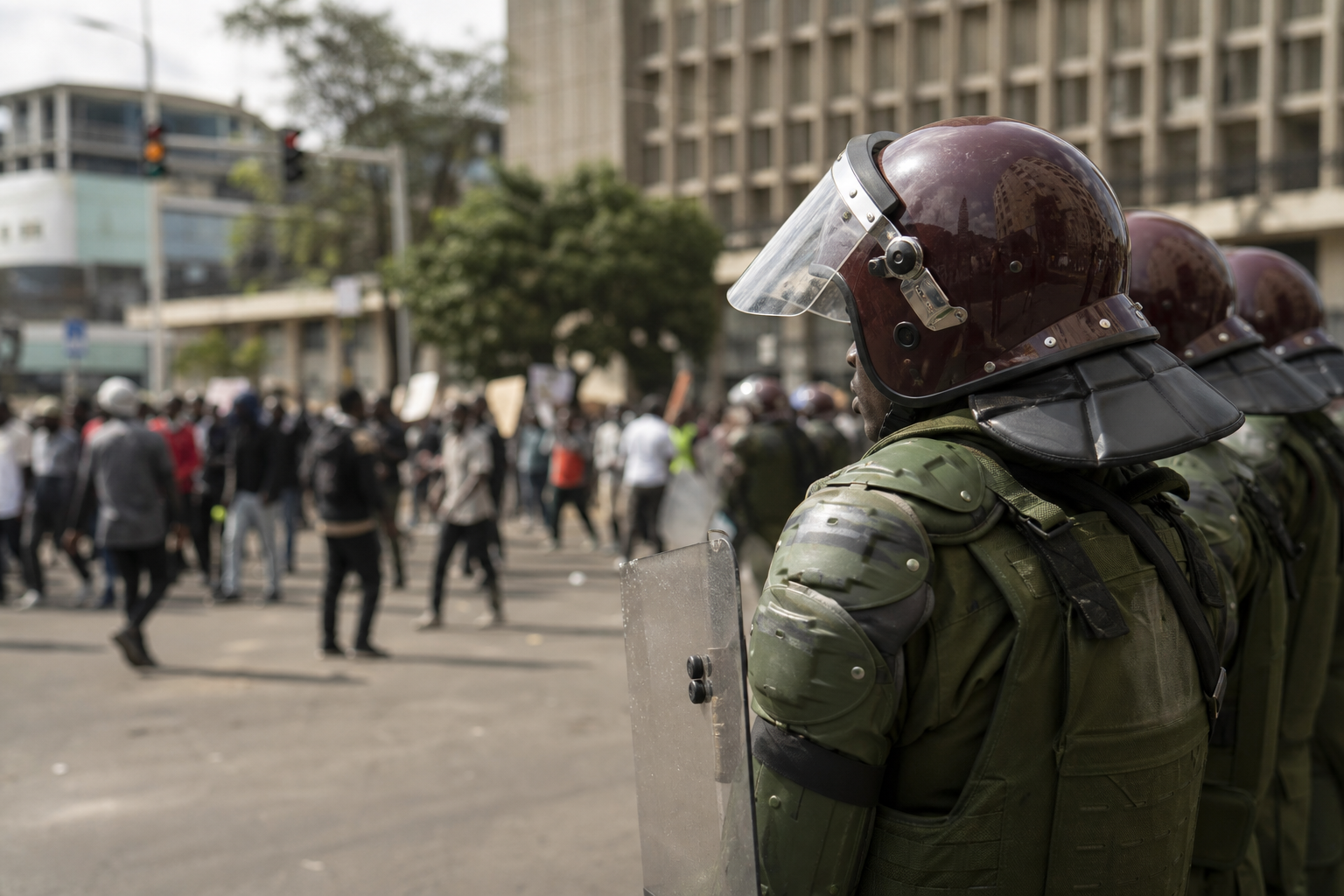
Devolution in Action: Why Busia Residents Are Demanding Infrastructure Development as Senate Mashinani Begins
Lawmakers assemble in Busia for the Senate Mashinani sittings as local border communities demand better roads, project delivery and improved resource allocation.
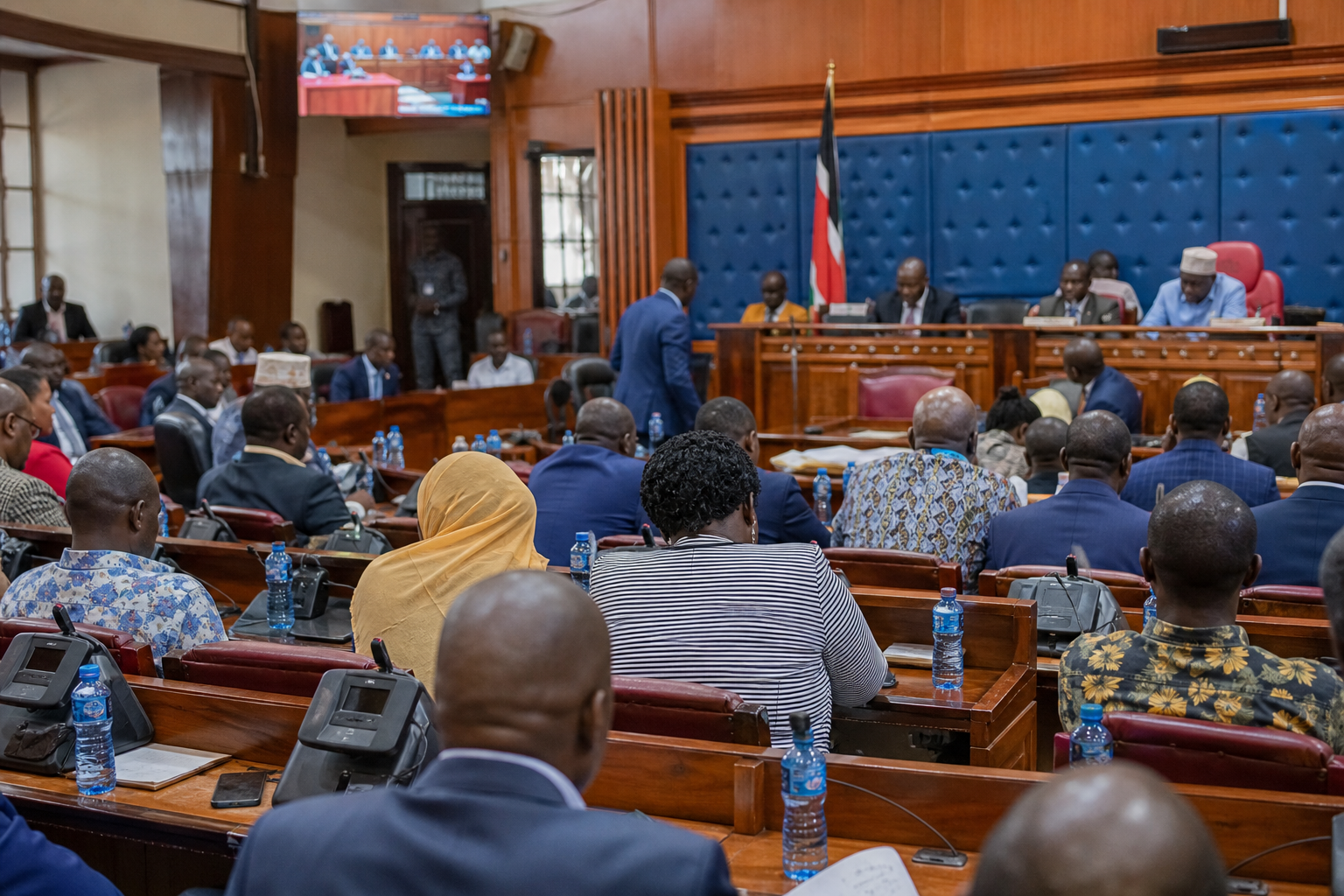
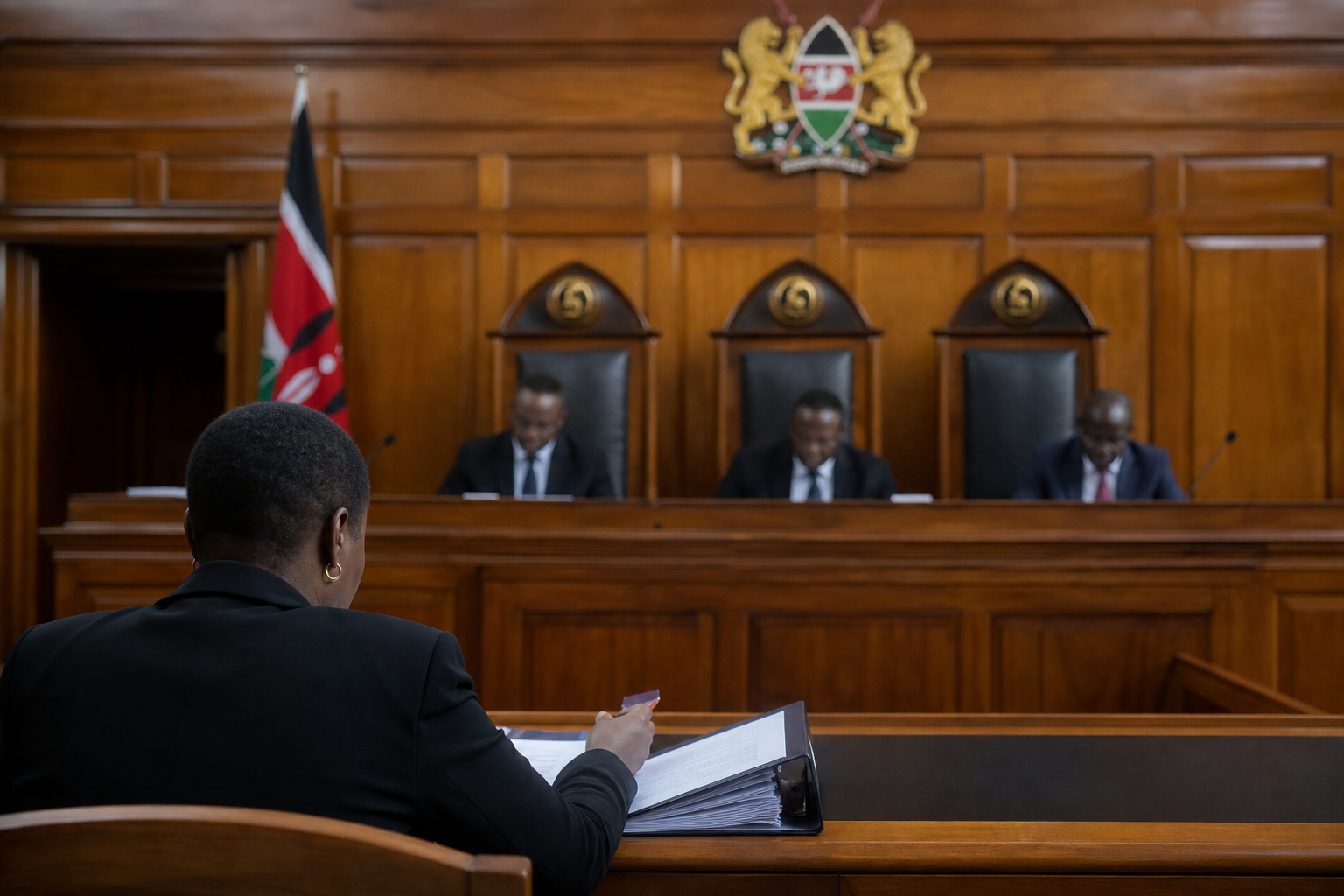
The Senate has kicked off its sittings in Busia County as part of the "Senate Mashinani" initiative, bringing legislative proceedings closer to the public outside the capital city. (Citizen)
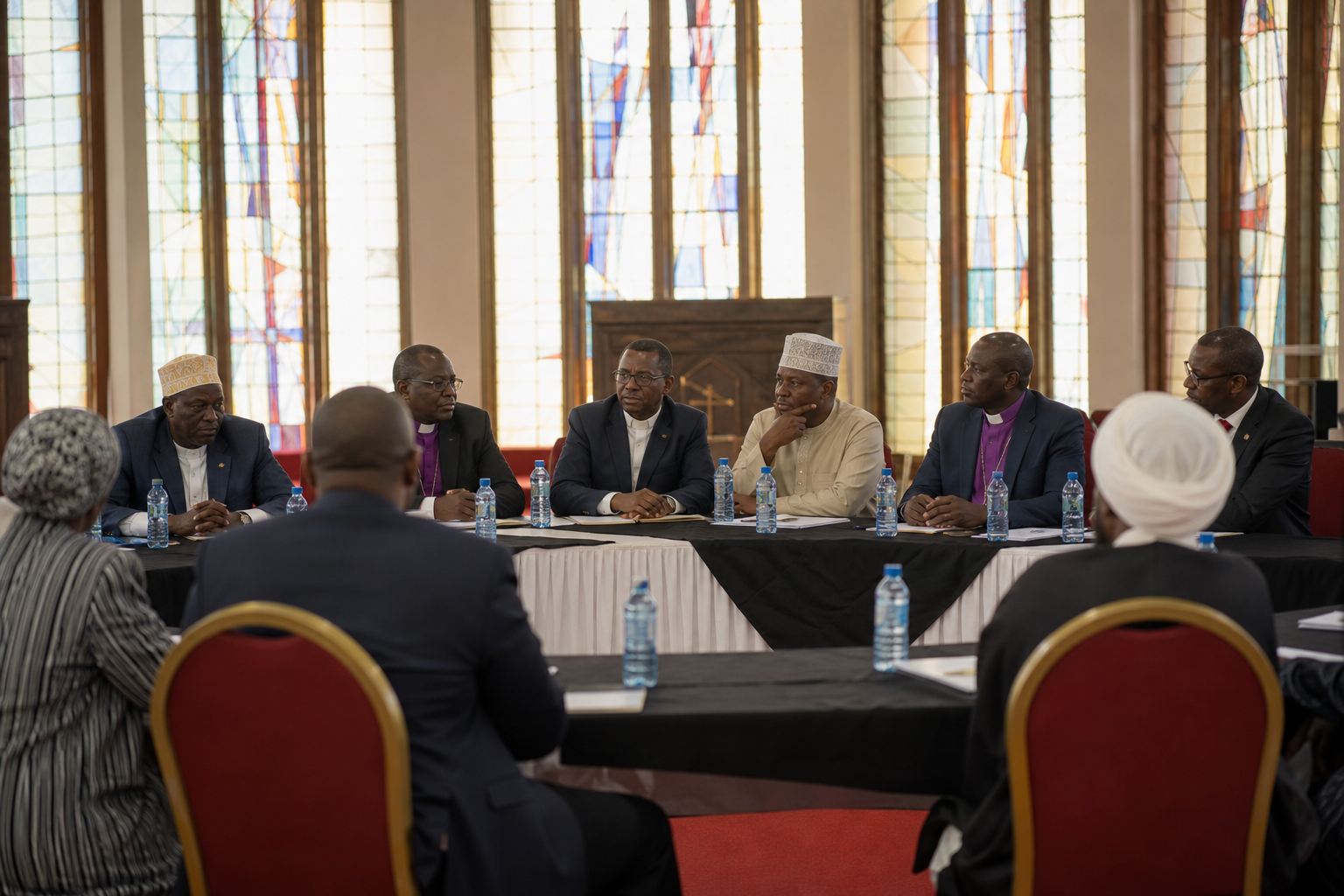
The week-long sittings allow senators to engage directly with local communities, observe devolved governance challenges firsthand, and hear petitions directly from residents in Western Kenya.
For Busia residents, the presence of the national legislative chamber brings a critical platform to push for enhanced resource allocation and local development projects.
What Are Residents Demanding?
Local community leaders and residents in Busia have raised urgent calls for improved infrastructure development to spur the regional border economy.
Key areas of concern highlighted by the public include the expansion and maintenance of road networks linking local agricultural zones to major trade corridors along the Kenya-Uganda border.
Residents are also calling on lawmakers to address stalled county government projects and ensure better oversight of devolved funds allocated to the border region.
Why Does It Matter?
The Senate Mashinani initiative is designed to strengthen public participation in devolved governance, as mandated by the Constitution of Kenya.
By taking plenary sessions and committee hearings out of Nairobi, the Senate aims to assess how county government allocations translated into tangible development on the ground.
Busia serves as a critical trade hub for East Africa, handling significant cross-border commerce, but local infrastructure deficits continue to impede economic growth for small-scale traders and residents.
What Comes Next?
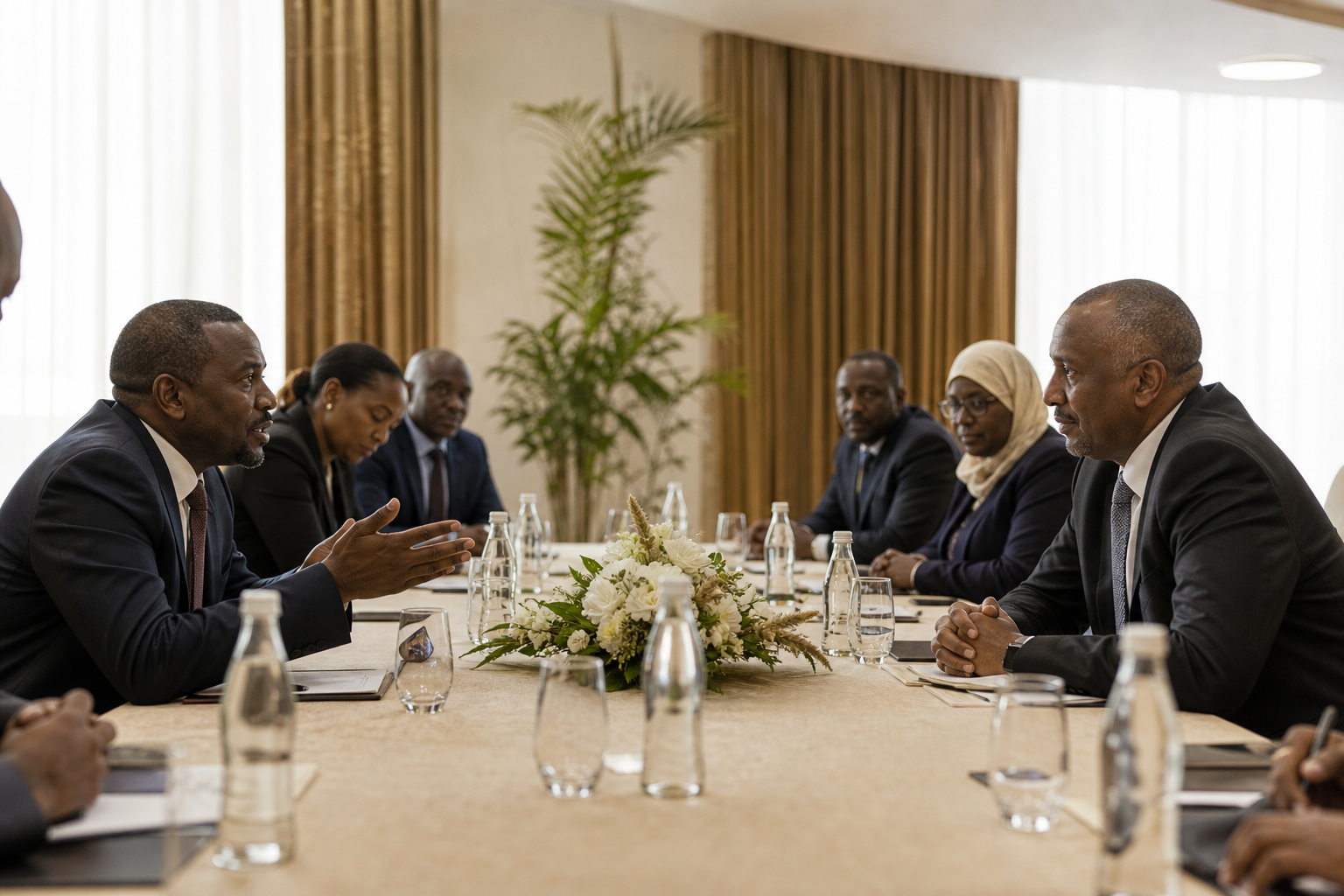
During the sittings in Busia, Senate committees are scheduled to hold site visits, review county oversight petitions, and engage both executive officers and members of the public.
Lawmakers are expected to formulate recommendations on budget allocations and policy interventions addressing the infrastructural and administrative challenges raised during the sessions.
The sittings continue through the week as community members monitor whether the proceedings will lead to direct legislative action for the region.